Faith, Fear, and Stagnation: How Religion Became One of Africa's Biggest Developmental Traps. Across the continent, a contradiction exists — religion is both deeply embedded in society and a major contributor to underdevelopment.
Context

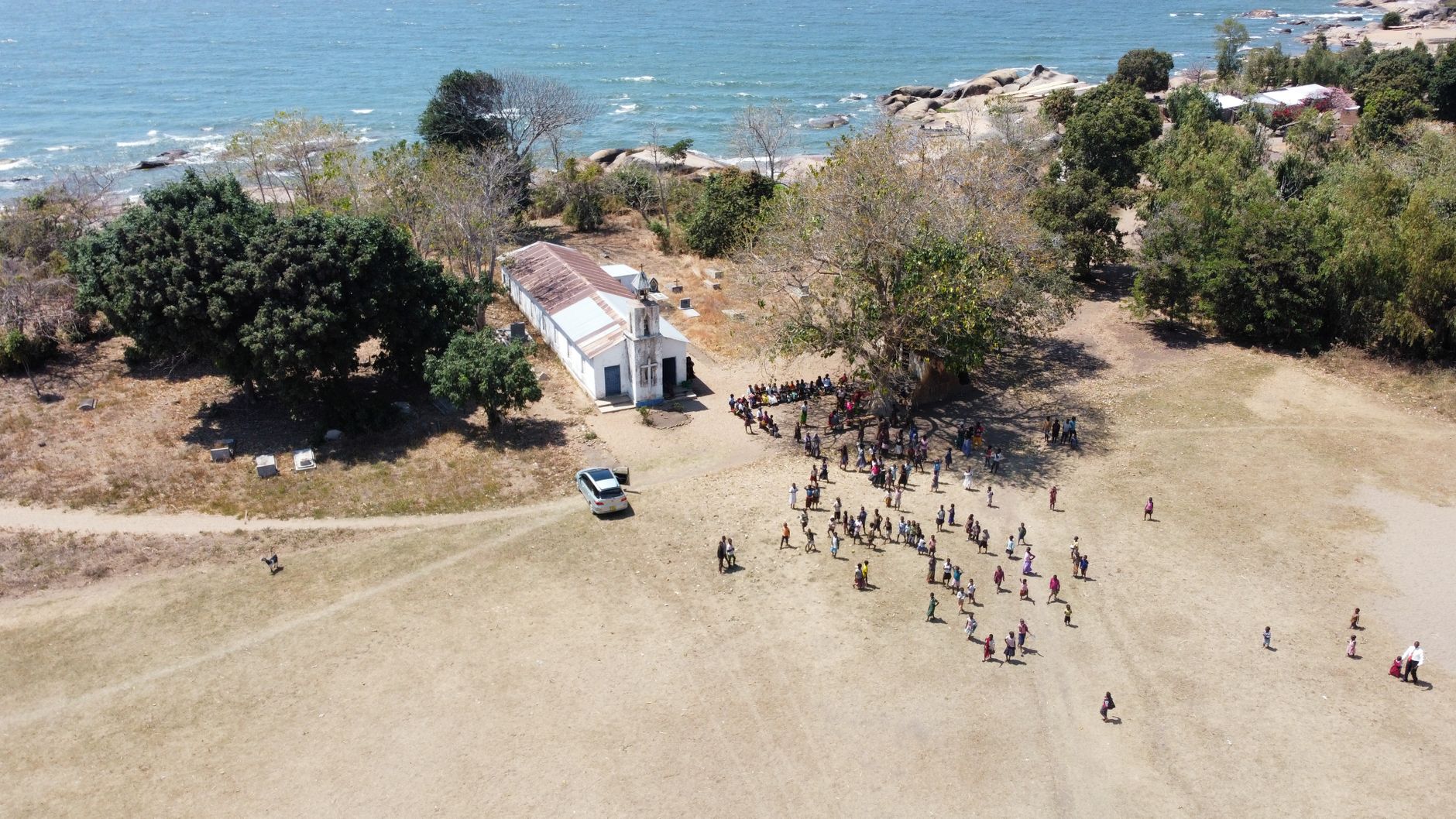
This contradiction is most visibly manifested in Nigeria, arguably one of the most religious countries on Earth. Despite its rich natural resources and large population, Nigeria remains plagued by issues such as unstable electricity, inadequate healthcare, dysfunctional public education, and economic stagnation.
Facts

Every year, billions of naira are spent on religious activities such as massive church auditoriums, pilgrimages to Mecca and Jerusalem, prosperity crusades, religious political campaigns, 'seed sowing' culture, and religious donations from struggling citizens. Meanwhile, universities face strikes, hospitals lose doctors, roads remain death traps, and youth unemployment continues rising.
Human Impact
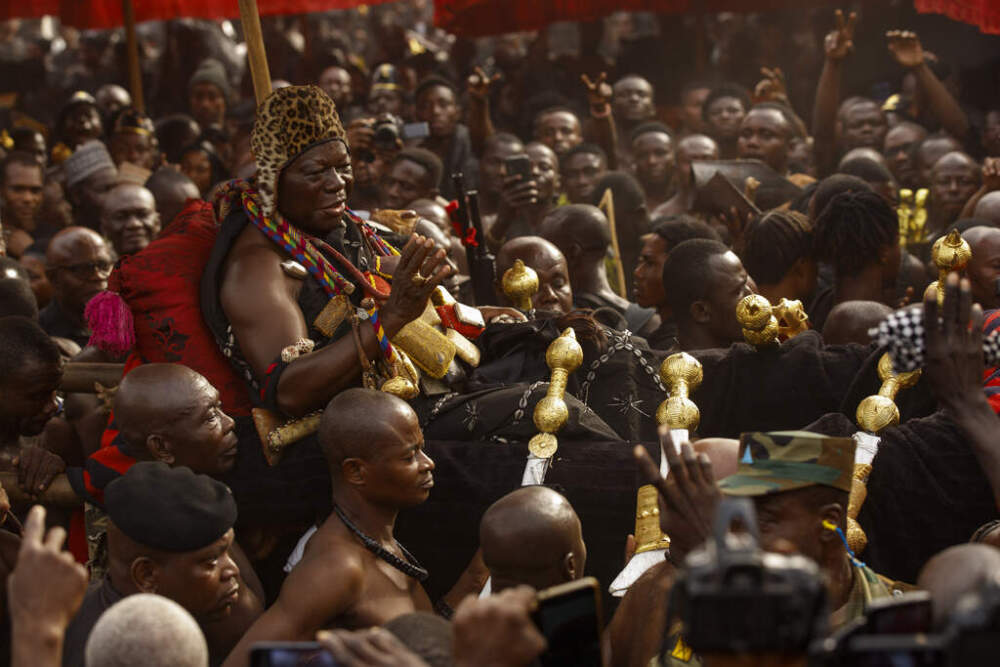
This situation directly impacts millions of Nigerians, including market women who donate their last savings expecting divine multiplication while politicians loot billions untouched by moral outrage. The population remains spiritually active but politically passive.
Analysis
Religion has functioned not only as a spiritual institution but also as a political shield, economic machine, psychological sedative, and social control system. The weaponization of religion by political elites and mega religious establishments has significantly contributed to Africa's underdevelopment.
Counterpoints
To be fair, religion has done positive things in Africa by funding hospitals, providing charity, offering psychological hope, creating social support systems, and mobilizing anti-colonial movements. Many churches and mosques genuinely help communities where governments have failed.
What Happens Next
The future trajectory of Africa's development will be significantly shaped by its ability to separate faith from governance and investment. Failure to do so risks perpetuating the vicious cycle of underinvestment in critical infrastructure, education, and human capital.
Takeaway
At its core, the issue is not religion but dependency culture. Too many African societies have normalized waiting for miracles rather than demanding institutional reform or investment in development.