

Nigeria’s Political Stockholm Syndrome: Why 2026 Must Be as a Year of Awakening. While the naira fluctuates and the cost of living reaches historic peaks, a strange phenomenon persists: the passionate defense of the very leaders presiding over economic volatility. It is a cycle where the architect of the struggle is often embraced as the hero of the struggle.

Context
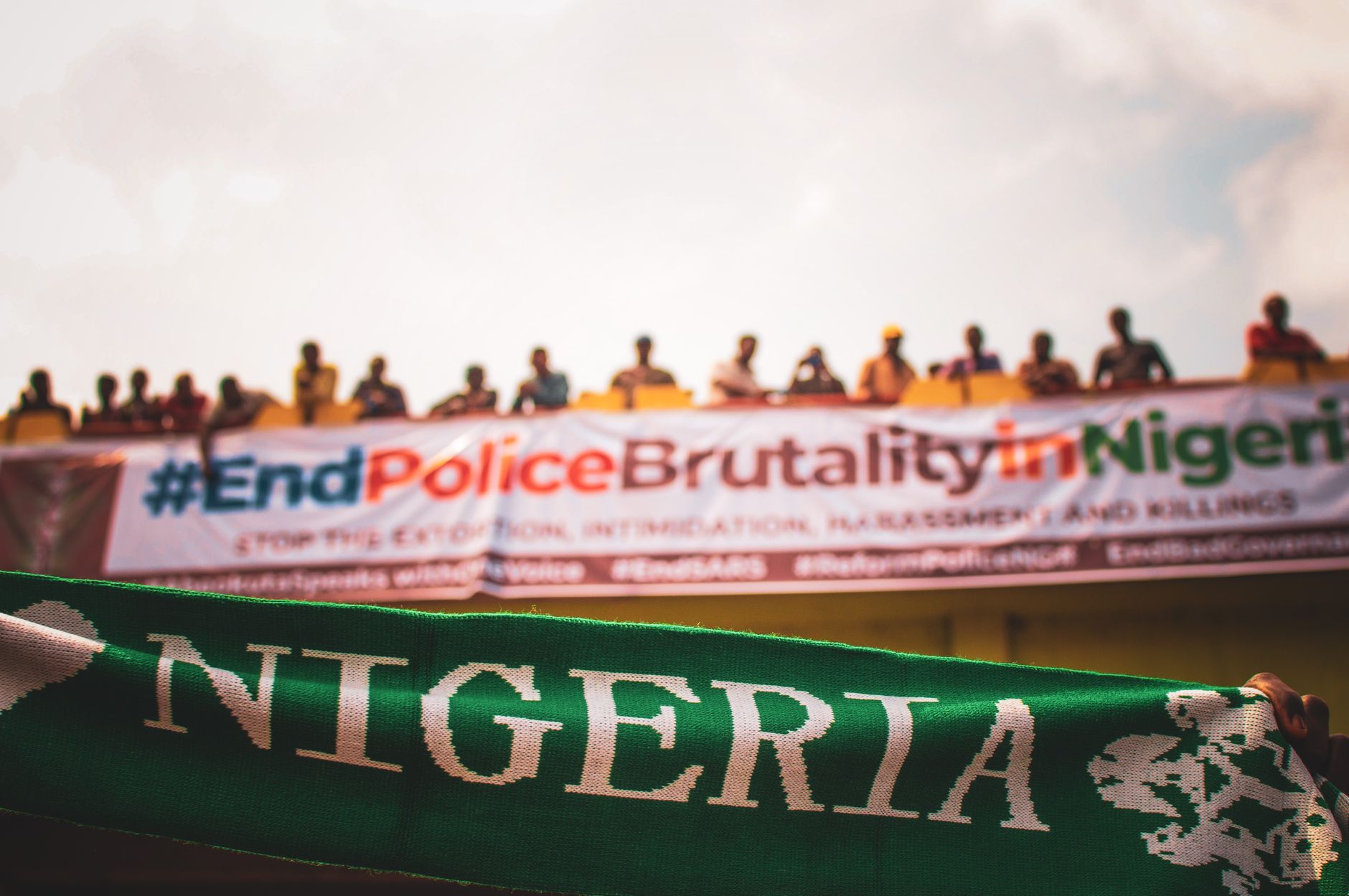
Since the return to democratic rule in 1999, Nigeria has navigated a complex web of regionalism, religious identity, and the heavy shadow of the oil-dependent economy. For decades, the structure of the state has been built on a patronage system where political loyalty is often traded for access to scarce resources. This system was designed to manage ethnic tensions, but it has inadvertently created a mechanism where political survival outweighs service delivery. As we reach mid-2s, the tension between the old guard and a massive, tech-savvy, yet economically squeezed youth population has reached a boiling point. The current crisis is not just about failed policy; it is the result of a decades-long evolution where political identity has become a primary survival strategy in an unstable environment.
Facts

Economic data from the first half of 2026 shows inflation hitting levels that threaten to destabilize the middle class, yet the political class remains largely insulated. According to recent economic reports, the gap between the wealth of the political elite and the average household income has widened by 15% compared to the previous decade. While the central bank manages currency volatility, the reality on the ground is a sharp rise in fuel costs and a shrinking pool of formal jobs. Despite these pressures, electoral participation in recent regional cycles has shown voters returning to the same party-loyalist structures. This is not due to a lack of options, but because the existing power brokers control the machinery of distribution, making the 'status quo' a hard-to-break habit for many voters.
Human Impact
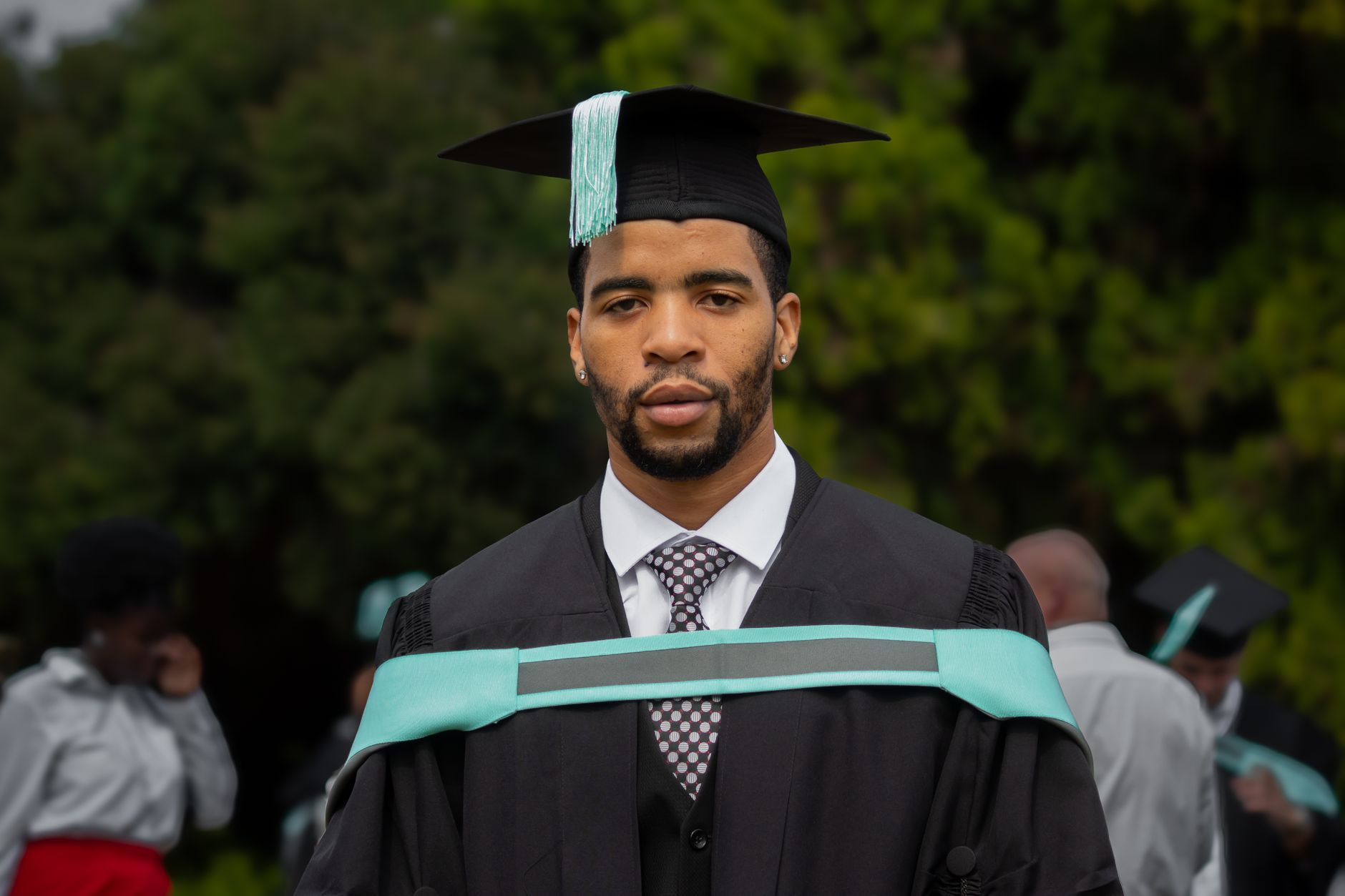
The human cost is felt most acutely by the graduate in Ibadan or the trader in Onitsha. For a young professional, the struggle is not just about the economy, but the psychological toll of watching their hard-earned taxes fund a lifestyle they cannot access. In the north, the insecurity caused by regional tensions has displaced millions, yet the political response often feels distant and administrative. When the state fails to provide basic power or security, theries of survival take over. Theries of survival often lead people to lean on 'their' politician to fix what the system broke, creating a cycle where the citizen becomes a client of the leader, rather than the leader being a servant of the citizen.
Analysis
This 'Stockholm Syndrome' is the ultimate tool for the political elite. By weaponizing ethnic identity and religious sentiment, leaders ensure that voters fight for their 'tribe' rather than for their own economic interests. This splits the collective power of the electorate, as the people are too busy defending their regional champions to demand a national standard of competence. Who benefits? The established political class, whose power relies on a divided and loyal electorate. Who loses? The national institutions—the judiciary, the civil service, and the economy itself—which suffer when loyalty is prioritized over merit. Globally, this mirrors the rise of populism, but in Nigeria, it is a fight for the very soul of the state. If the electorate does not shift from emotional loyalty to performance-based voting, the cycle of crisis and charismatic-leadership will continue to drain the nation's potential.
Counterpoints
Not everyone agrees that loyalty is the problem. Some political analysts argue that in a fractured society, these strong-man leaders provide the stability necessary to prevent total chaos. They suggest that 'emotional politics' is a rational response to a lack of strong institutions; when the state is unpredictable, people lean on the person they know. Others argue that the current system is a necessary evil to balance the complex ethnic-religious makeup of the country. They claim that moving to a pure 'competence-based' model might alienate key groups and trigger instability. These defenders suggest that what looks like 'Stockholm syndrome' is actually a pragmatic survival mechanism in a volatile landscape.
What Happens Next
The next 18 months are critical. As we look toward the next cycle of sub-national elections and the lead-up to the next general election, we must watch for the shift in the political discourse. Will we see a rise in technocratic-led movements, or will the old machines of identity politics tighten their grip? Watch the market reactions to policy changes and the engagement of the youth on social media. The trigger point will be the moment the economic pressure becomes too much for the old rhetoric to soothe. The question is: can the current leadership adapt, or will the pressure force a total reconfiguration of the Nigerian political landscape?
Takeaway
The single most important truth is this: A leader who is loved but ineffective is often more dangerous than a leader who is criticized but delivers. We must stop romanticizing failure and start demanding accountability. The goal is not to find a leader to worship, but to build a system where leadership is a job, not a birthright. The awakening begins when the voter stops asking 'Who is our person?' and starts asking 'What has this person done for us?'