
Nigeria’s Political Stockholm Syndrome: Why 2026 Must Be aft year of awakening. In the bustling markets of Lagos and the quiet streets of Abuja, a strange phenomenon persists: citizens often find themselves passionately defending the very leaders responsible for their rising costs of living. It is a cycle where the hand that takes is often cheered by the one that is empty.

Context
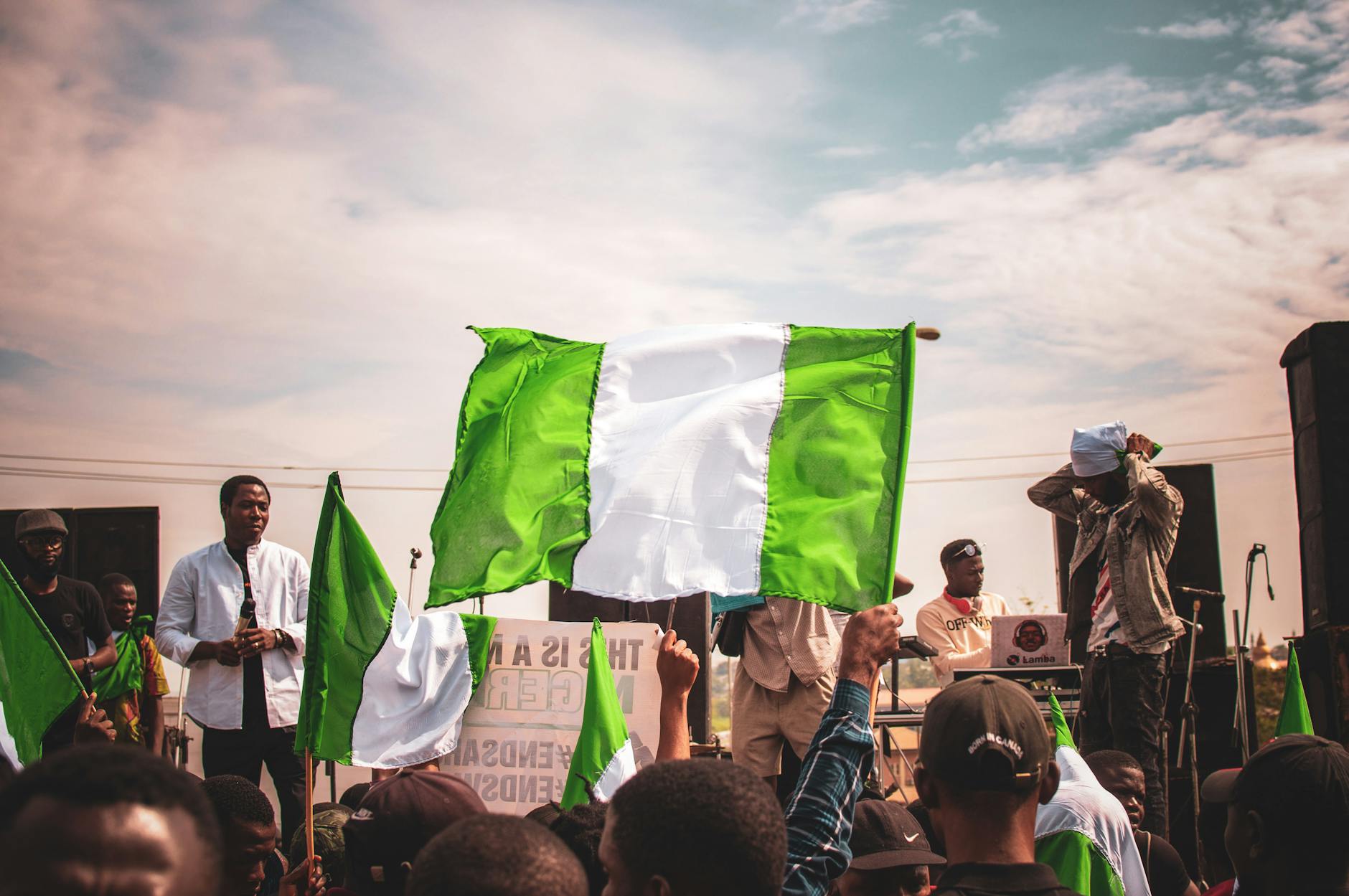
Since the return to democratic rule in 1999, Nigeria has navigated a complex transition from military juntas to a civilian-led republic. However, the structures established during the Fourth Republic have often prioritised patronage over performance. For decades, the political class has mastered the art of survival through the manipulation of ethnic, regional, and religious divides. This has created a system where political loyalty is often treated as a tribal or religious duty rather than a contract for governance. As the global economy shifts and African regional dynamics evolve, the pressure on the Nigerian state to deliver infrastructure, security, and economic stability has reached a boiling point. We are seeing the collision of old-guard political machinery with a new, tech-savvy, and increasingly frustrated generation of Nigerians who are no longer content with the status quo.
Facts

The data paints a stark picture of the current landscape. While the political elite maintains significant purchasing power, the Nigerian economy has faced historic inflationary pressures, with food inflation often exceeding 30% in recent cycles. According to recent economic reports, the weakening of the Naira has eroded the savings of the middle class, while unemployment rates among the youth remain a critical challenge. Despite these pressures, election cycles consistently see massive voter turnouts where the same political dynasties maintain control. Analysts observe that while the 'politics of the belly'—the distribution of resources to loyalists—keeps the machine running, it fails to build lasting institutions. We see a massive disparity: while the cost of fuel and basic commodities rises, the infrastructure for the elite remains insulated. This creates a paradox where the electorate votes for the very policies that might lead to their own economic hardship.
Human Impact

The human cost is not found in statistics, but in the daily struggle of the Nigerian family. Consider the graduate in Enugu, highly educated but forced into petty trading because the formal job market is stagnant. Consider the mother in Kano, balancing the cost of grain against the cost of school fees. For these people, the 'political loyalty' isn't just a choice; it's a survival mechanism that often fails them. When the state fails to provide security, the cost is measured in the lives lost to insecurity in the North or the economic displacement in the South. When the power grid fails, it is the small business owner who loses their entire day's profit. The emotional bond with political leaders often masks the reality that their policies are directly impacting the survival of their children.
Analysis
This phenomenon is a profound challenge to the future of African democracy. When voters develop an emotional attachment to their 'captors'—the leaders who preside over their struggles—it creates a barrier to institutional growth. The benefit of this system is clear: it allows the political elite to maintain power with minimal accountability, as they can deflect criticism by blaming 'the other'—the rival tribe or the rival party. The loser is the national institution itself. When accountability dies, the state becomes a tool for personal enrichment rather than a vessel for public service. Globally, this mirrors patterns seen in various developing economies where identity politics are weaponised to mask economic failure. If Nigeria can break this cycle, it sets a precedent for the entire continent: that governance must be measured by the quality of life, not the charisma of the leader. The stakes are nothing less than the survival of the social contract.
Counterpoints
Skeptics might argue that this 'loyalty' is actually a rational calculation. Some political scientists suggest that in a fractured society, ethnic or religious affiliation provides a sense of security and a direct line to resources that the state cannot yet provide. They argue that 'the politics of identity' is a necessary survival strategy in a country where the state is often absent. Others contend that the current leaders are doing the best they can with limited resources and that the 'Stockholm Syndrome' label is an unfair Western-style critique of complex African social structures. They suggest that what looks like irrationality is actually a pragmatic attempt to maintain stability in an unstable environment.
What Happens Next
As we move through 2026, the signals of change will be clear. Watch the local government elections and the increasing frequency of citizen-led movements. The key indicator will be whether the electorate begins to demand measurable outcomes—like stable power, security, and a stable currency—over the traditional promises of identity politics. The tension between the old patronage-based system and the new demand for technocratic competence will define the next few years. If the economic pressure continues to mount, the 'silent' majority may find their voice, leading to a massive shift in the political landscape.
Takeaway
The single most important truth is this: a nation cannot develop by emotionally bonding with its own dysfunction. We must stop treating political leadership as a divine right or a tribal inheritance and start treating it as a professional service. The question we must ask ourselves is not 'who is our leader?' but 'what has our leader done for us?' The awakening begins when we stop romanticizing failure and start demanding competence.