
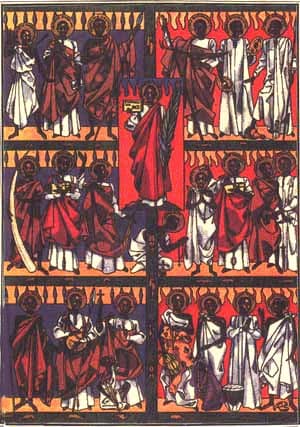
Ugandan President Museveni has postponed the annual Martyrs' Day celebrations in light of rising concerns over an Ebola outbreak, as the World Health Organization declares a global emergency.
Context
The decision comes amidst reports of a cluster of Ebola cases in neighboring Democratic Republic of Congo (DRC), which shares borders with Uganda. This is the 10th time the virus has been reported in the DRC since 1976, highlighting the ongoing risk and challenges in regional disease surveillance and response.
Facts
The World Health Organization (WHO) has declared a global emergency, acknowledging the seriousness of the situation. The WHO's declaration is based on the high number of confirmed cases and the potential for rapid spread across borders.
Human Impact
The postponement affects millions of Ugandans, disrupting traditional celebrations and potentially impacting tourism. Additionally, it highlights the challenges in maintaining public health vigilance during national holidays.
Analysis
The decision reflects broader regional concerns and the interconnectedness of public health policies. While necessary for immediate response, such postponements can strain local resources and economies, highlighting the need for robust cross-border cooperation.
Counterpoints
While the postponement is a cautious response, some experts argue that such measures can be too disruptive. For example, the Ugandan Ministry of Health supports the decision, while local opposition leaders see it as an unnecessary interference with national traditions.
What Happens Next
The next steps will likely involve closer collaboration between Ugandan and DRC authorities to monitor the spread of Ebola. Additionally, regional bodies like the East African Community (EAC) may step in to provide support or coordinate responses.
Takeaway
Readers should continue to monitor developments in regional public health initiatives. Understanding the interconnected nature of disease outbreaks is crucial for effective community and national responses.