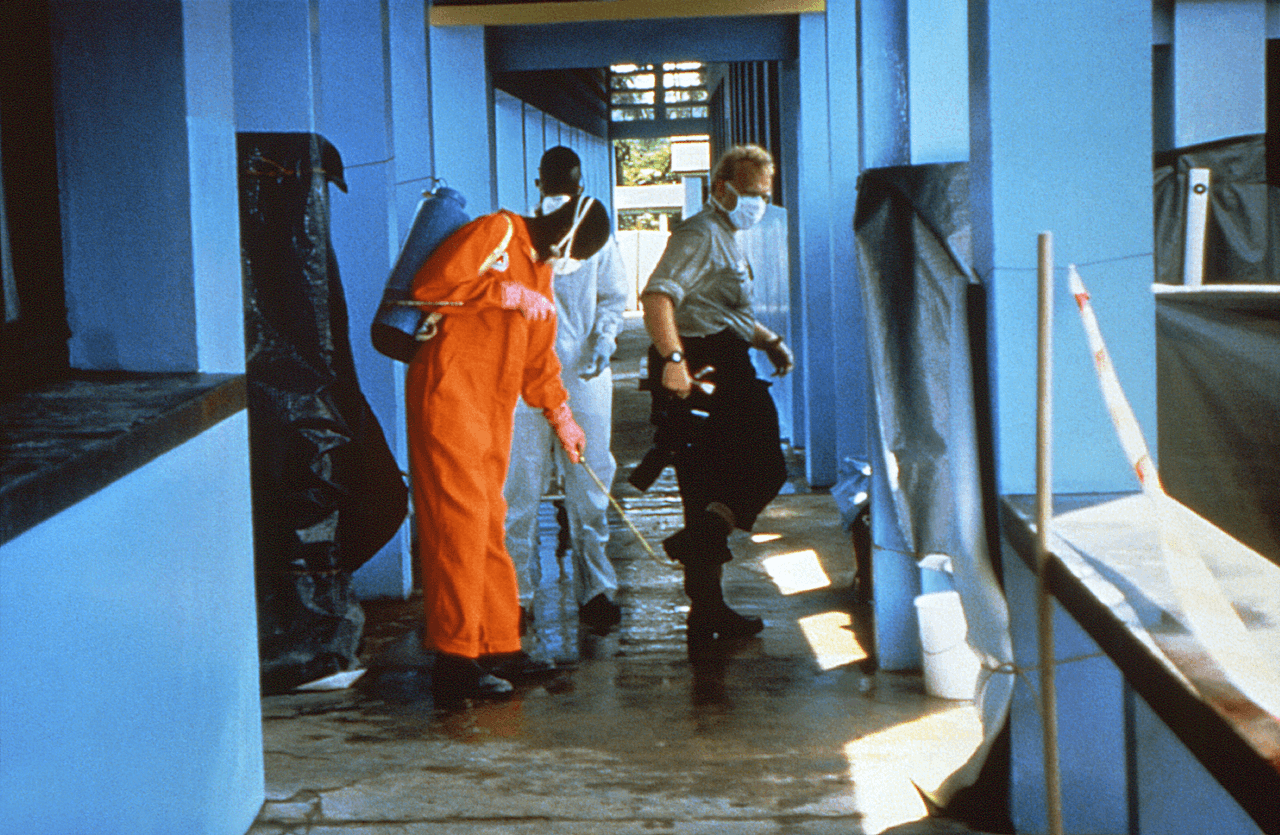
In April 2026, the Ebola outbreak in the Democratic Republic of Congo (DRC) reached a critical juncture, with over 15,000 confirmed cases and a fatality rate approaching 40%. This unprecedented scale of the epidemic underscores both its severity and the challenges in containing it.

Context

Historically, the region has faced numerous public health challenges, including recurrent outbreaks of Ebola and other infectious diseases. The current outbreak is occurring amidst ongoing political instability and regional conflict, which exacerbate healthcare system vulnerabilities.
Since 2014, the World Health Organization (WHO) has been working closely with local authorities in DRC to implement containment measures. However, a series of policy missteps and inadequate resources have hampered these efforts.
Facts

The Ebola virus has proven highly contagious and resistant to standard containment methods. In recent months, the WHO and local health authorities have struggled to track transmission chains due to poor surveillance systems and inadequate community engagement.
Additionally, the region's fragile healthcare infrastructure is overwhelmed by a lack of resources, trained personnel, and basic medical supplies.
Human Impact

Communities in the DRC have borne the brunt of this outbreak. Families are losing loved ones at alarming rates, and local economies are suffering from reduced agricultural productivity and decreased trade. The epidemic has also strained diplomatic relations between neighboring countries, who fear cross-border spread.
Analysis
The persistence of the Ebola outbreak is a testament to the inadequacies of regional healthcare systems and the challenges posed by conflict. The DRC's ongoing conflict has severely limited the government's ability to provide essential services, including healthcare.
Furthermore, international aid organizations face significant operational constraints in accessing affected areas due to security concerns, which further complicates containment efforts.
Counterpoints
However, some experts argue that the slow response to this outbreak is not solely due to regional conflicts. Dr. Jean-Pierre Muyembe, a leading Ebola researcher, suggests that the virus's rapid mutation and spread are outpacing current containment strategies. He emphasizes the need for increased international cooperation and investment in research.
What Happens Next
Looking ahead, key signals to watch include government policy decisions on resource allocation and security measures. The next few months will determine whether the current containment efforts yield results or if a more aggressive approach is necessary.
Specific timeline triggers could be the outcome of international aid negotiations and the implementation of new surveillance technologies.
Takeaway
The ongoing Ebola outbreak in the DRC serves as a stark reminder of the urgent need for improved public health infrastructure and international cooperation. Readers should continue to monitor updates on government and aid organization efforts, particularly regarding resource allocation and security measures.