
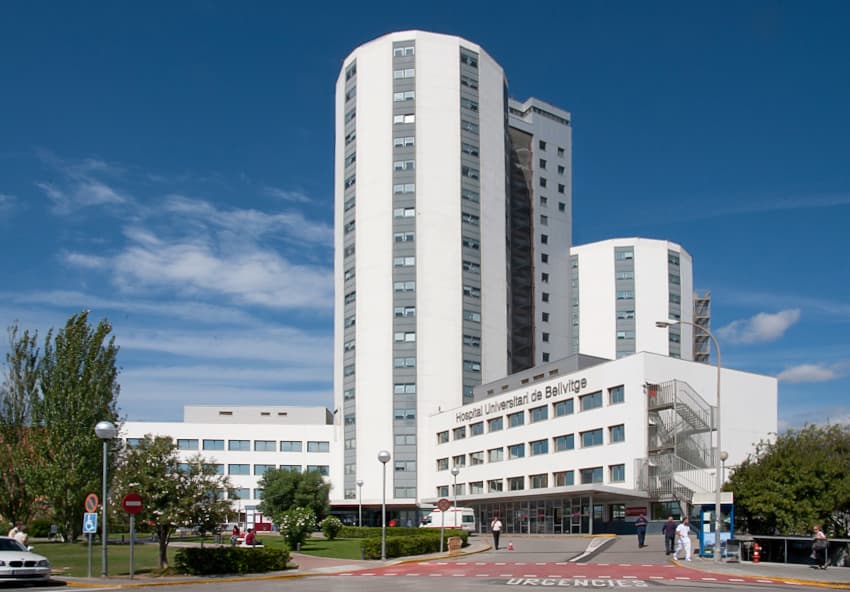
In a significant development for Kenyan healthcare, the government announced a $500 million investment in new hospitals. Health Minister John Njuguna emphasized this move's potential to enhance access to quality care across the nation.
Context
Kenya faces a significant challenge in providing equitable and accessible healthcare services. Despite improvements, the country's healthcare infrastructure has struggled to meet the population's needs, particularly in rural areas.
Facts
The government's $500 million pledge aims to construct 100 new hospitals across the country. The project's timeline spans over five years, targeting underserved regions for hospital locations.
Human Impact
This investment could significantly improve access to essential medical services for millions in Kenya. However, the project's success hinges on ensuring that healthcare quality and geographical distribution are equitable.
Analysis
While the government's focus on infrastructure development contributes to efforts in attaining Universal Health Coverage (UHC), the investment's success requires addressing broader healthcare system challenges.
Counterpoints
Critics argue that the emphasis on building new hospitals overlooks the need to improve existing health infrastructure and training. They suggest that without significant investment in human resources for health, these new facilities may not achieve their intended impact.
What Happens Next
Monitoring the quality of services provided by these new hospitals and ensuring equitable geographical distribution will be key indicators of the project's success. Kenya should also look into complementary investments in healthcare human resources to fully capitalize on this infrastructure investment.
Takeaway
The $500 million hospital investment marks a significant step toward improving healthcare access and working towards Universal Health Coverage in Kenya. However, success depends on the quality of service provision and equitable distribution across the country.