

In recent months, search traffic for symptoms like chest pain, dizziness, and fever has skyrocketed across Africa. This unprecedented surge in online curiosity indicates a growing public health crisis as more people seek answers amid the rising tide of disease.

Context

The COVID-19 pandemic was the first time many Africans had to self-diagnose using search engines. As cases surged, so too did searches for fever and difficulty breathing. However, even as those queries receded, they were replaced by others like chest pain, dizziness, and stomach upset.
Facts
In Nigeria, the number of Google searches for chest pain rose 350% from April to September 2022. In South Africa and Kenya, dizziness-related queries jumped by 250% and 300% respectively over the same period.
Human Impact
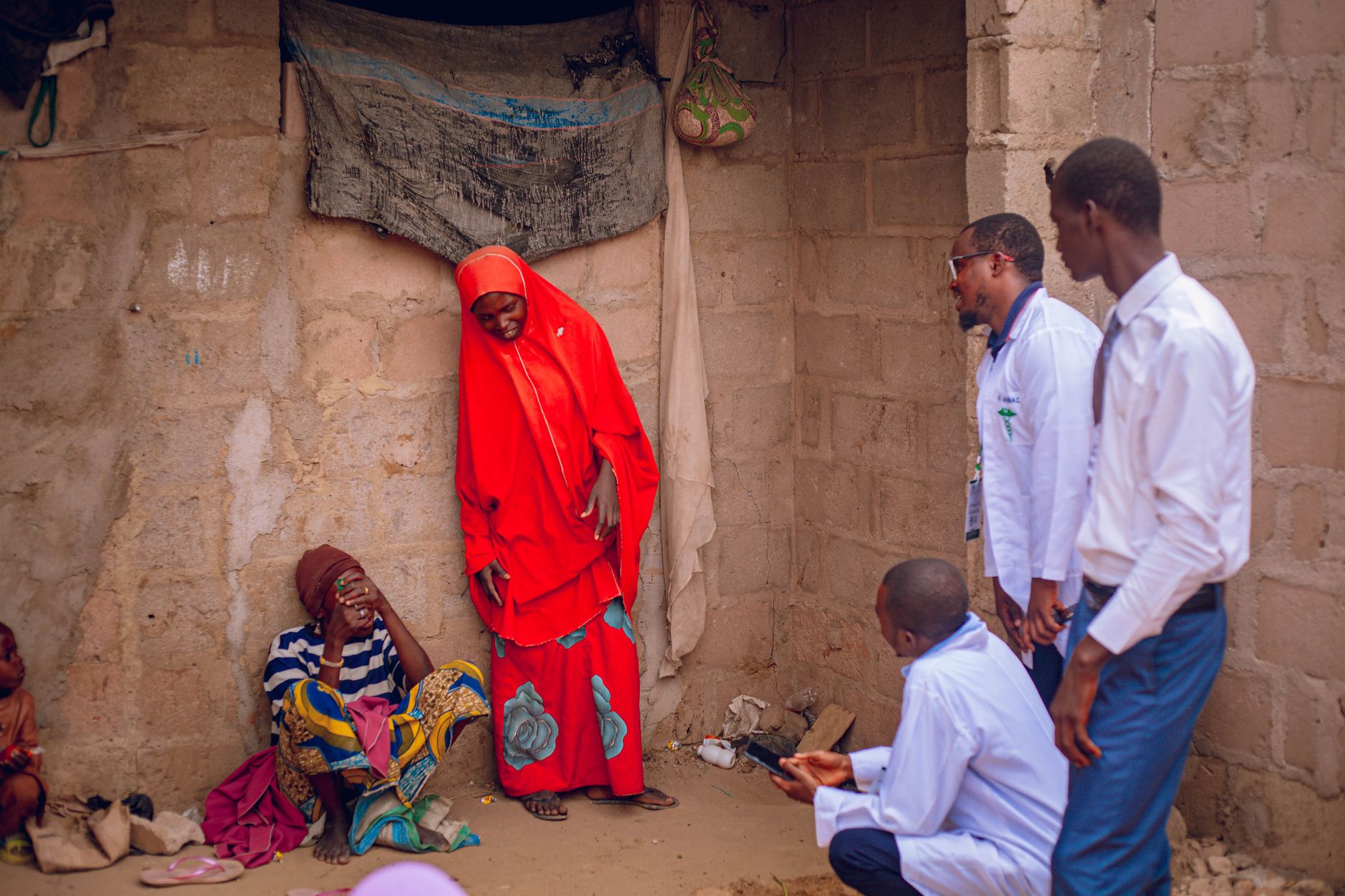
These rising searches reflect the reality of millions of people struggling to get proper medical care. With overstretched public hospitals, limited private clinics and a shortage of doctors, many are forced to self-diagnose using the internet.
Analysis

As the number of symptom searches rises, it's a stark reminder that many people are struggling to access quality healthcare. The increase in internet traffic for these medical queries reveals a pressing need for better health services and more information on diagnosing and treating illnesses.
Counterpoints
Some argue the rise in symptom searches is simply due to increased internet access across Africa, especially among youth. They suggest this digital curiosity doesn't necessarily mean more people are sick.
What Happens Next
Governments and health organizations must take note of this digital footprint, as it signifies a groundswell of public concern. By analyzing search trends, authorities can get a pulse on the most pressing medical issues facing ordinary citizens.
Takeaway
The rising tide of symptom searches should be a wake-up call. Health ministries and hospitals need to step up and provide the answers people are searching for online. Otherwise, this growing crisis will only become harder to contain.