
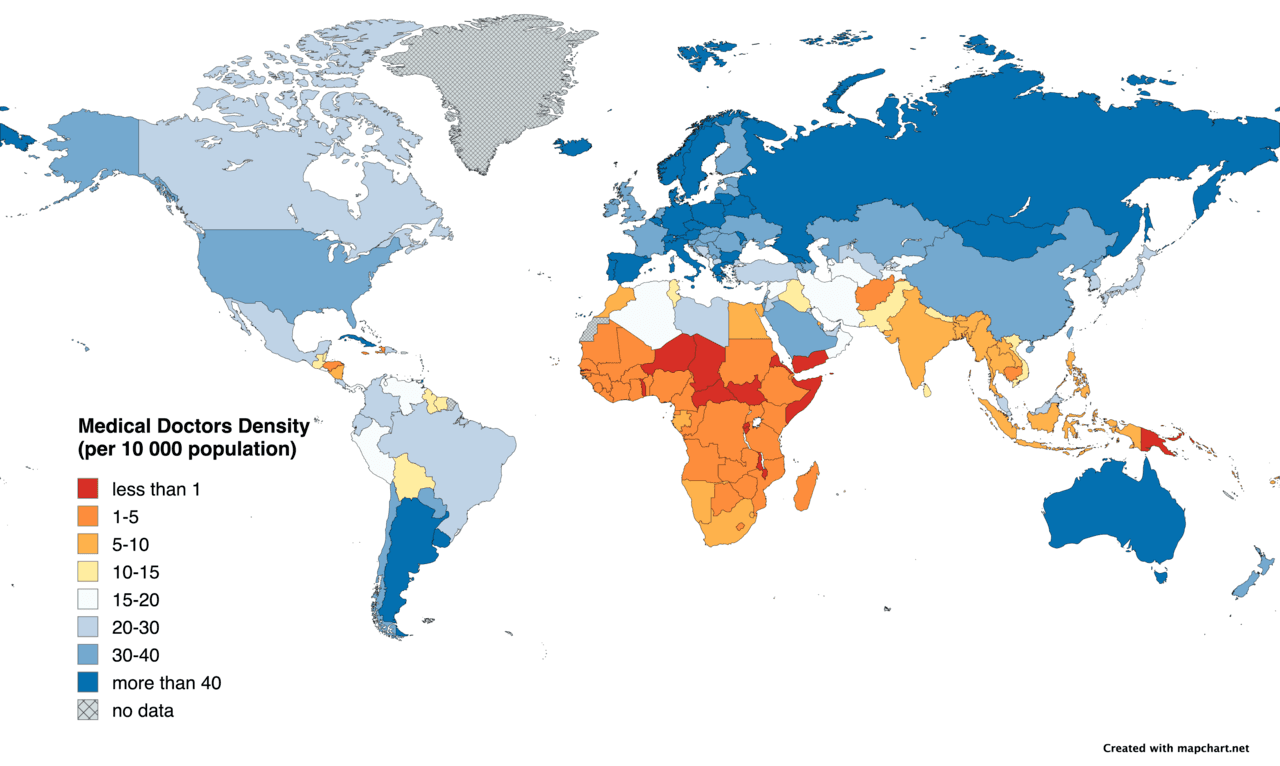
As the month-long strike by nurses and midwives in Ghana enters its fourth week, hospitals across the country are struggling to provide essential healthcare services, threatening access for thousands of patients. The strike, which began on April 18th and is led by the Ghana Nurses and Midwifery Council (GNMC), has left several facilities with just a handful of workers to manage the care of ailing patients. This crisis is particularly concerning given the critical need for maternal and child healthcare services in Ghana.

Analysis

The ongoing strike by nurses and midwives in Ghana highlights the significant challenges faced by the country's healthcare system. The strike has left hospitals understaffed, forcing them to turn away patients in need of essential care. This situation is particularly alarming given the critical state of maternal and child health in Ghana. The lack of access to quality healthcare services during this crisis could lead to a surge in preventable illnesses, complications during pregnancy, and infant mortality rates.
Counterpoints

While the impact of the strike on Ghana's healthcare system is undeniable, some argue that the government should not cave to the demands of striking nurses and midwives. Critics suggest that meeting all their requests would set a dangerous precedent and lead to increased strikes across various sectors. They also point out that the government has made significant investments in the health sector in recent years, including the construction of new hospitals and facilities.
What Happens Next

As the strike by nurses and midwives in Ghana continues, there are concerns that the country's healthcare system may struggle to recover quickly. The prolonged absence of these key workers could lead to a backlog of patients seeking care, further straining an already overburdened system. It is crucial for both sides to find common ground and resolve this crisis as soon as possible to minimize the impact on access to essential healthcare services.
Takeaway
The month-long strike by nurses and midwives in Ghana is a stark reminder of the challenges faced by the country's healthcare system. As this crisis unfolds, it is essential for all stakeholders to prioritize finding a resolution that ensures access to essential care for those who need it most.