

Torrential rains and flash floods in Ghana and Kenya have submerged entire villages, displacing thousands of people. The humanitarian crisis has deepened fears over potential disease outbreaks in flood-affected regions.

Context

African countries, especially those in the Sahel region like Ghana and Kenya, are no strangers to extreme weather events. However, the increasing frequency and intensity of such disasters – attributed to climate change – have left communities grappling with long-term consequences.
Facts
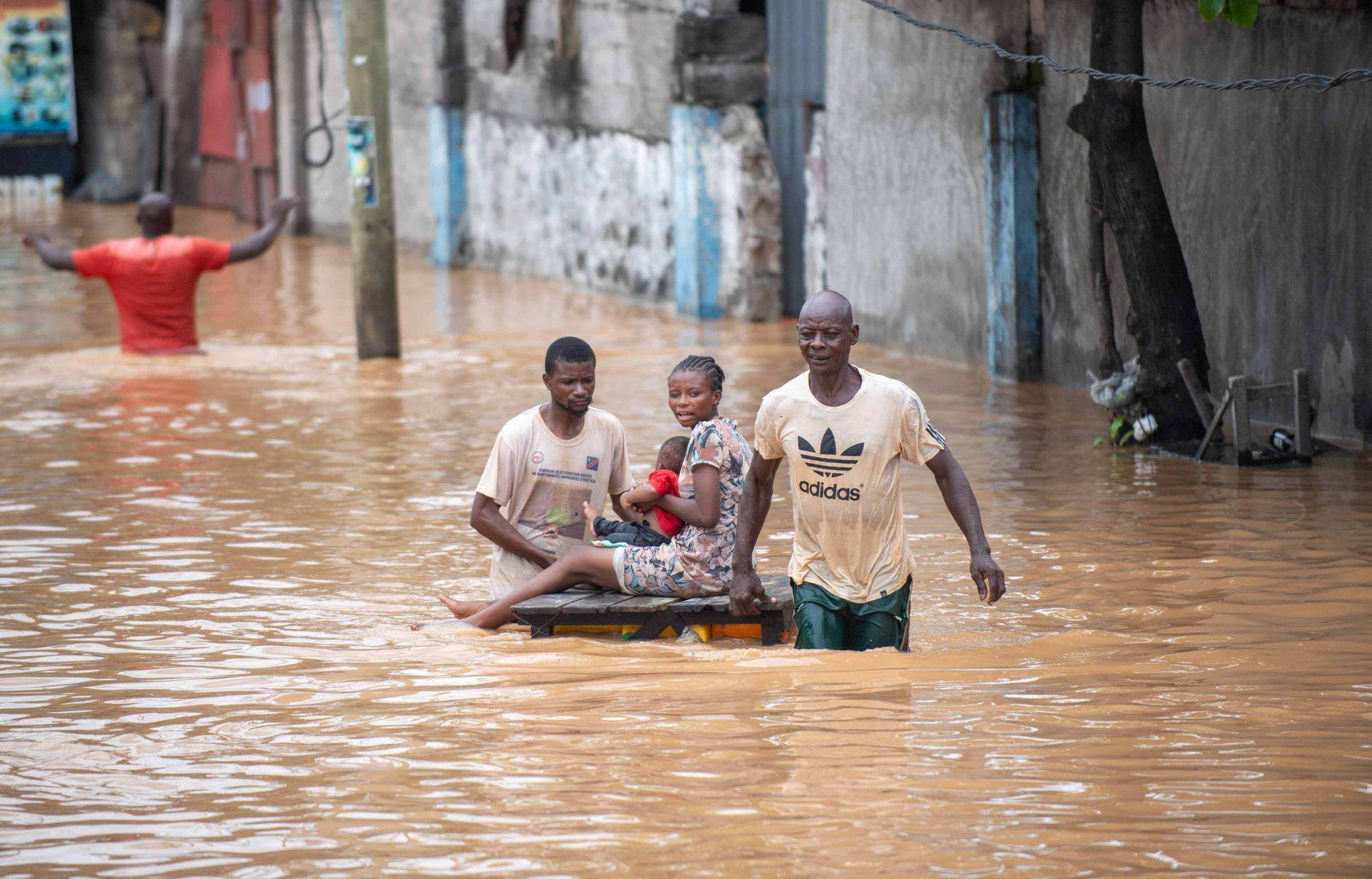
According to the Ghana National Disaster Management Organisation (NADMO) and Kenya's Ministry of Interior and Coordination of National Government, over 10,000 people have been affected by these floods. With many homes submerged, lack of access to clean water, and compromised sanitation facilities, fears over cholera, malaria, and other waterborne diseases are on the rise.
Human Impact

In the hardest-hit regions, entire communities have been left homeless as floodwaters engulfed houses and farmland. Schools have been transformed into emergency shelters, displacing students just as exams loom. Water sources contaminated by floodwater present a dire health risk to these already vulnerable populations.
Analysis
The true scale of this public health emergency may not be fully apparent until weeks after the floodwaters recede. The combination of overcrowded shelters, compromised water sources, and poor sanitation poses a significant risk for outbreaks of infectious diseases such as cholera, malaria, and typhoid fever.
Counterpoints
Some government officials argue that the immediate focus should remain on emergency aid and rescue operations, with public health concerns addressed in the longer term. They stress the need to avoid panic and maintain calm among affected populations.
What Happens Next
In the coming weeks, closely monitor news of disease outbreaks in flood-affected regions. Watch for announcements from UN agencies and national health ministries regarding vaccination drives or preventative measures.
Takeaway
As the scale of these floods becomes clear, so too must our priority to safeguard public health. It is critical that resources are mobilised swiftly – not only to rescue lives but also to prevent an impending health catastrophe.