
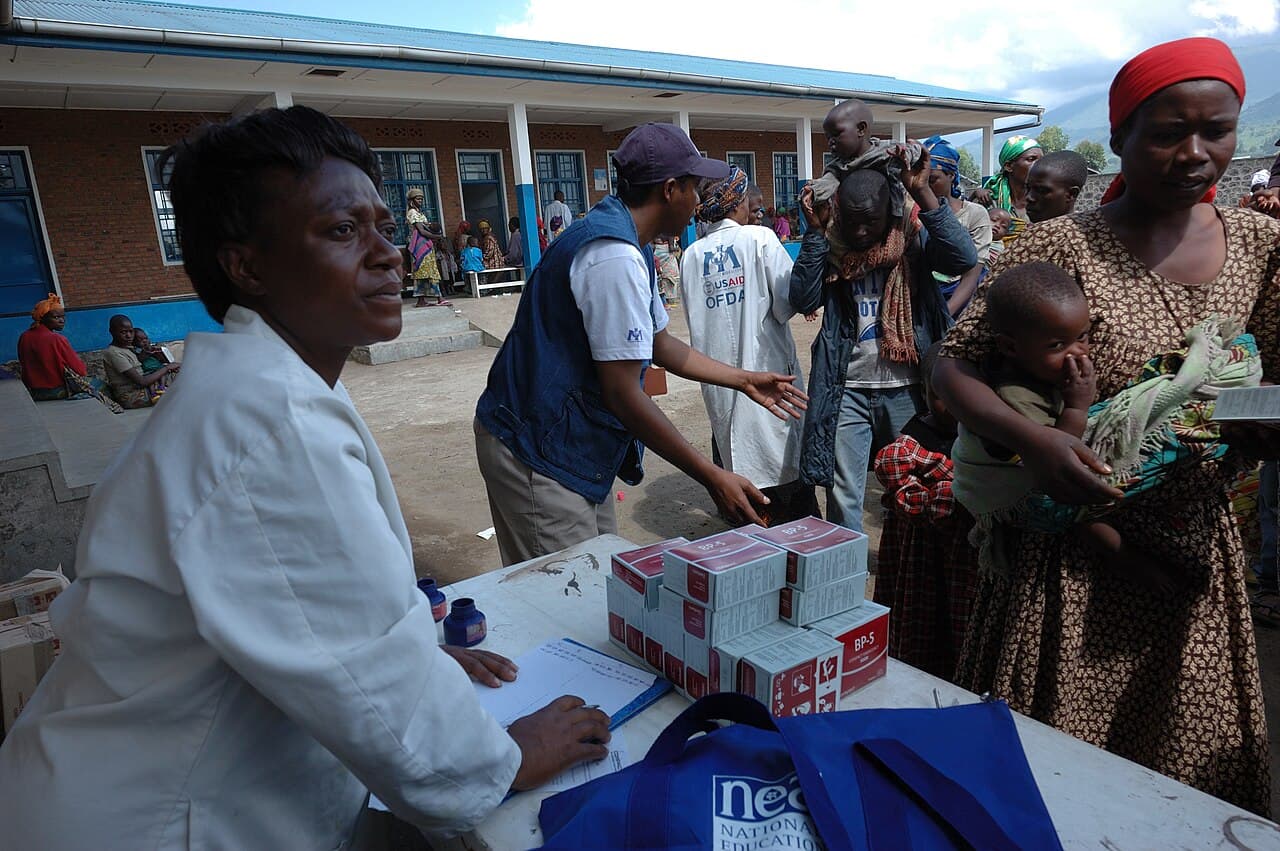
In April 2026, the town of Renk in South Sudan reported severe shortages and misallocations of aid supplies, highlighting the critical need for enhanced accountability in humanitarian operations.

Context

The crisis in Renk underscores the complex interplay between international aid, local governance, and community resilience. Historically, South Sudan has faced significant challenges in implementing effective humanitarian responses due to political instability and ongoing conflict. The current situation is exacerbated by structural issues such as inadequate oversight mechanisms and a lack of transparency in aid distribution.
Facts

According to the Humanitarian Feedback Bulletin, Renk residents reported only 60% of promised food supplies reaching their communities. Additionally, aid workers noted that nearly 30% of funds allocated for medical assistance were misused. The South Sudanese government has denied these allegations but failed to provide concrete evidence of corrective actions.
Human Impact

The crisis in Renk has had severe human consequences, with reports of malnutrition and preventable diseases among local populations. Families have been forced to choose between traveling long distances for food or remaining in unsafe areas due to insecurity. Diaspora activists emphasize the importance of addressing these issues through direct engagement with affected communities.
Analysis
The situation in Renk reflects broader issues of accountability and governance within humanitarian aid operations. While donor countries have pledged substantial funds, their ability to effectively monitor and enforce compliance remains questionable. Diaspora analysts argue that direct engagement with affected populations is crucial for ensuring transparency and accountability. This approach not only addresses immediate needs but also empowers local communities to hold actors accountable.
Counterpoints
Some government officials maintain that local communities are overgeneralizing the extent of mismanagement. For instance, a spokesperson from the South Sudanese Ministry of Social Welfare dismissed allegations as baseless and attributed any issues to logistical challenges. Meanwhile, aid agencies caution against placing blame on local populations, arguing that systemic failures often contribute to such crises.
What Happens Next
Going forward, critical signals include the implementation of a new accountability framework by donor countries and the establishment of more robust local oversight mechanisms. The South Sudanese government will need to demonstrate tangible progress in addressing these issues through transparent reporting and engagement with diaspora communities. These actions are essential for rebuilding trust and ensuring effective humanitarian responses.
Takeaway
The Renk crisis serves as a stark reminder of the ongoing challenges in ensuring accountability in humanitarian aid. Readers must continue to question the effectiveness of current mechanisms and push for more robust measures that engage directly with affected communities.