
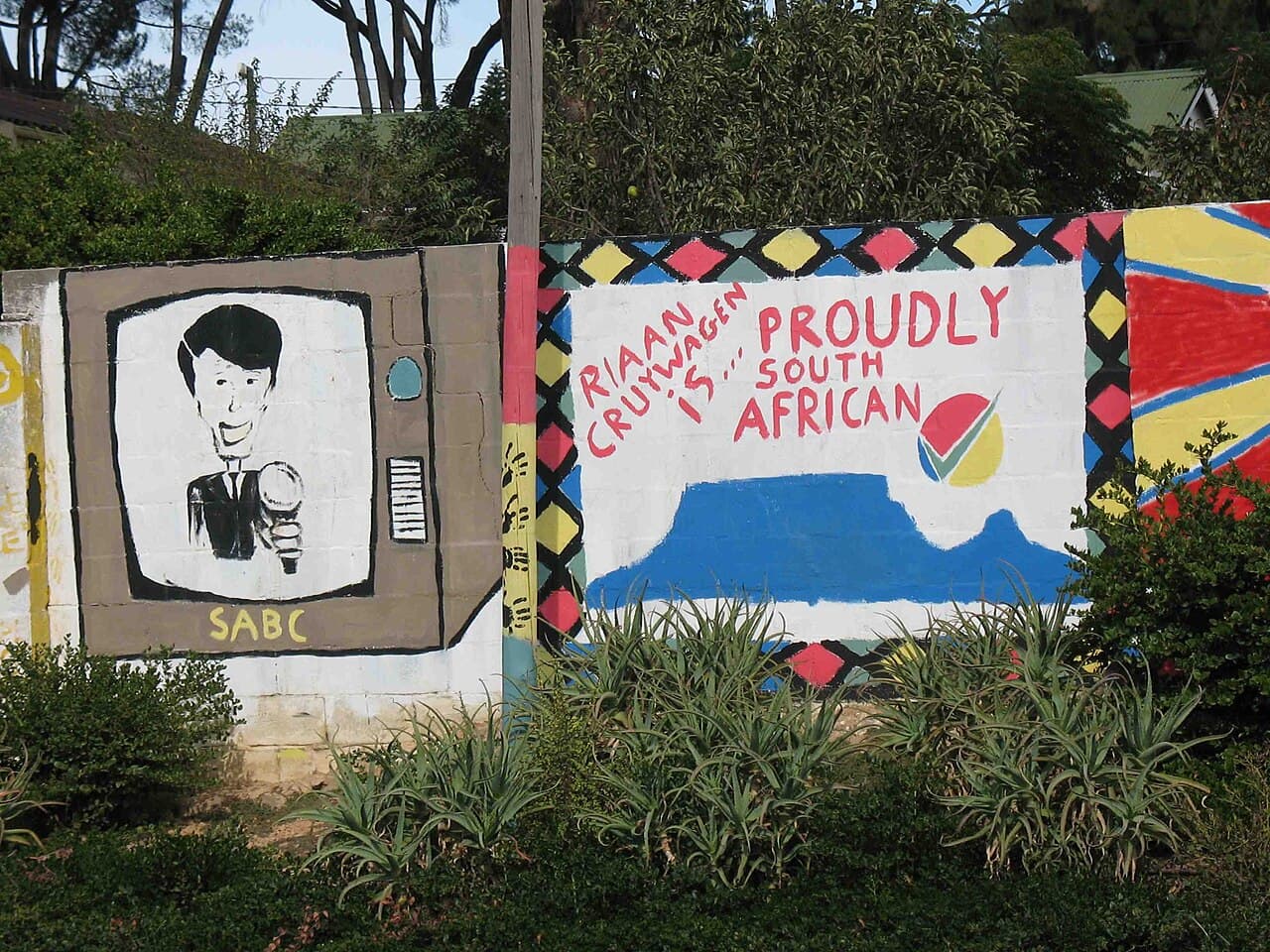
In the heart of Johannesburg, shoppers marvel at the vibrant displays of proudly South African clothing brands, unaware that many of these garments are produced in factories abroad under questionable conditions.

Context
This phenomenon is part of a broader trend where globalized supply chains have reshaped the economic landscape. South Africa, once a hub for textile manufacturing, has struggled with rising production costs and competition from cheaper overseas manufacturers. Additionally, trade agreements like CPTPP (Comprehensive and Progressive Agreement for Trans-Pacific Partnership) and SADC (Southern African Development Community) protocols have facilitated easier cross-border movement of goods but at the cost of local job displacement.
Facts
According to a report from dailystar.co.za, South African clothing brands like Zulu Clothing and Khaya Textiles have shifted their manufacturing operations to countries such as Bangladesh and India. These factories often operate under the radar of local labor laws and international scrutiny, leading to allegations of exploitation and substandard working conditions. Similarly, news24.com highlights that despite these challenges, some South African companies continue to leverage foreign markets for cost savings.
Human Impact
The human cost is evident in the stories of workers who toil long hours for meager wages, often without proper safety measures or healthcare. In Bangladesh, a former factory worker spoke to UAN World, saying, 'I was promised a job with dignity and pride but found myself working 16-hour days for less than $5 a day.' This shift not only impacts individual workers but also exacerbates the informal economy in South Africa as local manufacturers struggle to compete.
Analysis
This trend reflects the broader struggle between local pride and global economic pressures. South African brands often claim to support local industries but may find it difficult to reconcile this with their bottom line. Meanwhile, international investors benefit from lower costs and potentially higher profits. However, the long-term impact on South Africa’s economy and its image as a responsible market player is significant.
Counterpoints
Opponents of this trend argue that South African businesses must prioritize local employment over cost savings. For instance, the South African Clothing and Textile Federation (SACIT) has been vocal in advocating for domestic manufacturing to protect jobs and ensure ethical production standards. Conversely, some economists believe that outsourcing allows companies to remain competitive in global markets.
What Happens Next
Moving forward, key signals to watch include the implementation of new labor laws and international trade agreements. Additionally, consumer behavior is likely to play a crucial role in shaping this debate as more people become aware of the conditions under which their clothes are made. The South African government will also need to address these challenges through regulatory reforms.
Takeaway
As consumers, we must question our role in supporting brands that claim to be proudly South African while sourcing from unethical factories abroad. The future of the local industry depends on responsible business practices and ethical production standards.