
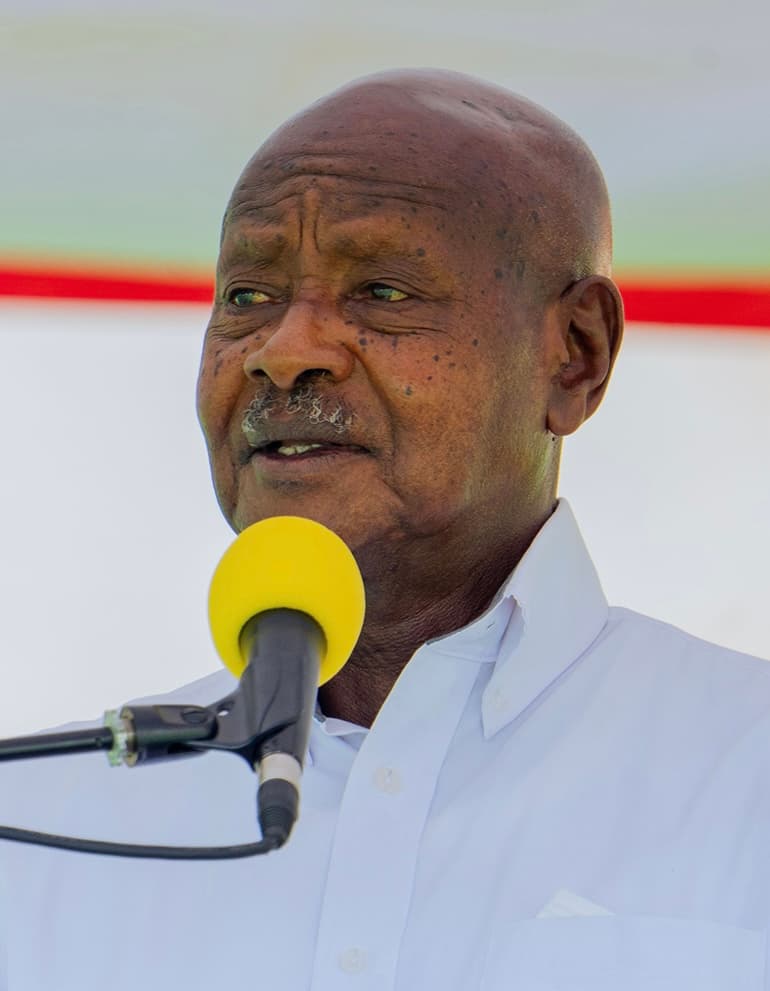
President Museveni of Uganda has postponed the Martyrs' Day celebrations on May 18, 2026, due to heightened concerns over a potential Ebola outbreak. This decision comes as the World Health Organization (WHO) declares a global emergency, marking a critical juncture in balancing national identity with public health security.

Context

The decision by Museveni follows a series of outbreaks and health crises in East Africa. The region, including Uganda, has faced challenges such as malaria, HIV/AIDS, and now the resurgence of Ebola. These issues underscore the ongoing socio-economic vulnerabilities that often intersect with public health concerns.
Facts

The Uganda Martyrs' Day, an important national holiday, commemorates 22 Catholic priests and Brothers who were killed in the mid-19th century. The postponement affects thousands of Ugandans who had planned to participate in traditional ceremonies and events across the country.
Human Impact

Local communities, especially in areas with a strong historical connection to the martyrs, face significant disruption. Families who had planned to travel from abroad or across the country for these events now face unexpected financial and logistical challenges. The postponement also affects local businesses and tourism sectors that rely on such events.
Analysis
From an African diaspora perspective, this decision reflects broader debates on public health versus national pride. The move highlights the complex interplay of regional security concerns and global health initiatives. As Ugandans abroad navigate dual citizenship debates and return migration trends, such decisions resonate deeply with their identities and responsibilities.
Counterpoints
Critics argue that the postponement could be seen as an overreaction, potentially undermining public health efforts. However, supporters contend that maintaining national unity and honoring historical figures is crucial during times of crisis. The United Nations Population Fund (UNFPA) has highlighted the importance of balanced decision-making in such situations.
What Happens Next
As the situation evolves, Ugandans both at home and abroad will continue to monitor the global health emergency. Key signals include potential changes in travel advisories, regional cooperation on public health measures, and diplomatic responses from other countries affected by the Ebola outbreak.
Takeaway
The decision to postpone Martyrs' Day underscores the ongoing complexities of balancing national identity with public health. Readers should keep an eye on how this crisis unfolds and its potential impacts on regional cooperation, public health strategies, and diaspora engagement.