
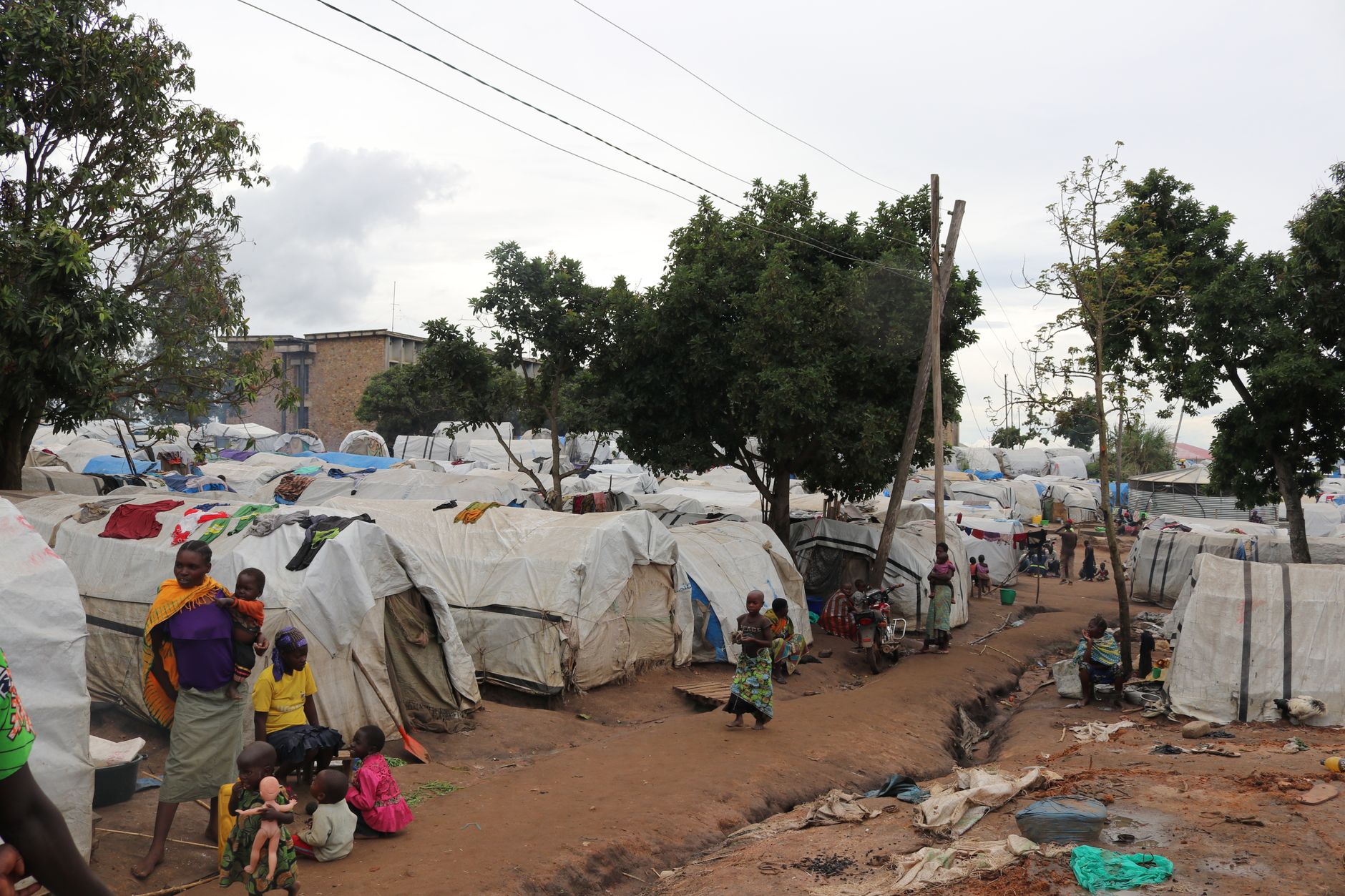
In April 2026, Mozambique experienced one of its most devastating floods on record, affecting over 75,000 people and displacing nearly 30,000. The humanitarian crisis in a country already grappling with internal conflicts underscores the urgent need for Pan-African solidarity.
Context
Historically, Mozambique has faced recurring natural disasters, exacerbated by climate change. The current floods are part of a broader pattern of environmental degradation and lack of adequate infrastructure. This crisis is particularly critical as the country continues to recover from internal conflicts.
Facts

As of April 2026, the United Nations Office for the Coordination of Humanitarian Affairs (OCHA) reported that over 75,000 people were affected and nearly 30,000 displaced. The relief efforts have been coordinated by local NGOs like Save the Children and Médecins Sans Frontières.
Human Impact
Communities in Mozambique's central provinces were hardest hit, with entire villages submerged and crops destroyed. Families lost their homes and livelihoods, leading to increased poverty and malnutrition rates. The health system was overwhelmed, and there were reports of cholera outbreaks.
Analysis
The diaspora’s response to this crisis highlights the growing solidarity among Africans abroad. The African Union (AU) has called for increased support, and several African countries have pledged aid. However, these efforts are constrained by limited resources and ongoing conflicts in some regions.
Counterpoints
Some diaspora organizations argue that international support is more critical than solely relying on African solidarity. They point to the need for sustained funding from global donors and international agencies like the World Bank, which have been less involved in this crisis.
What Happens Next
Looking ahead, the next few months will be crucial. The AU is likely to push for increased international support through diplomatic channels, while local NGOs will continue to provide emergency relief and recovery services. Monitoring these efforts and their impact on the affected communities will be key.
Takeaway
As Mozambique recovers, it is essential to maintain a focus on long-term resilience and sustainable development. The diaspora’s response demonstrates the potential for cross-border cooperation, but also highlights the need for sustained international support.