
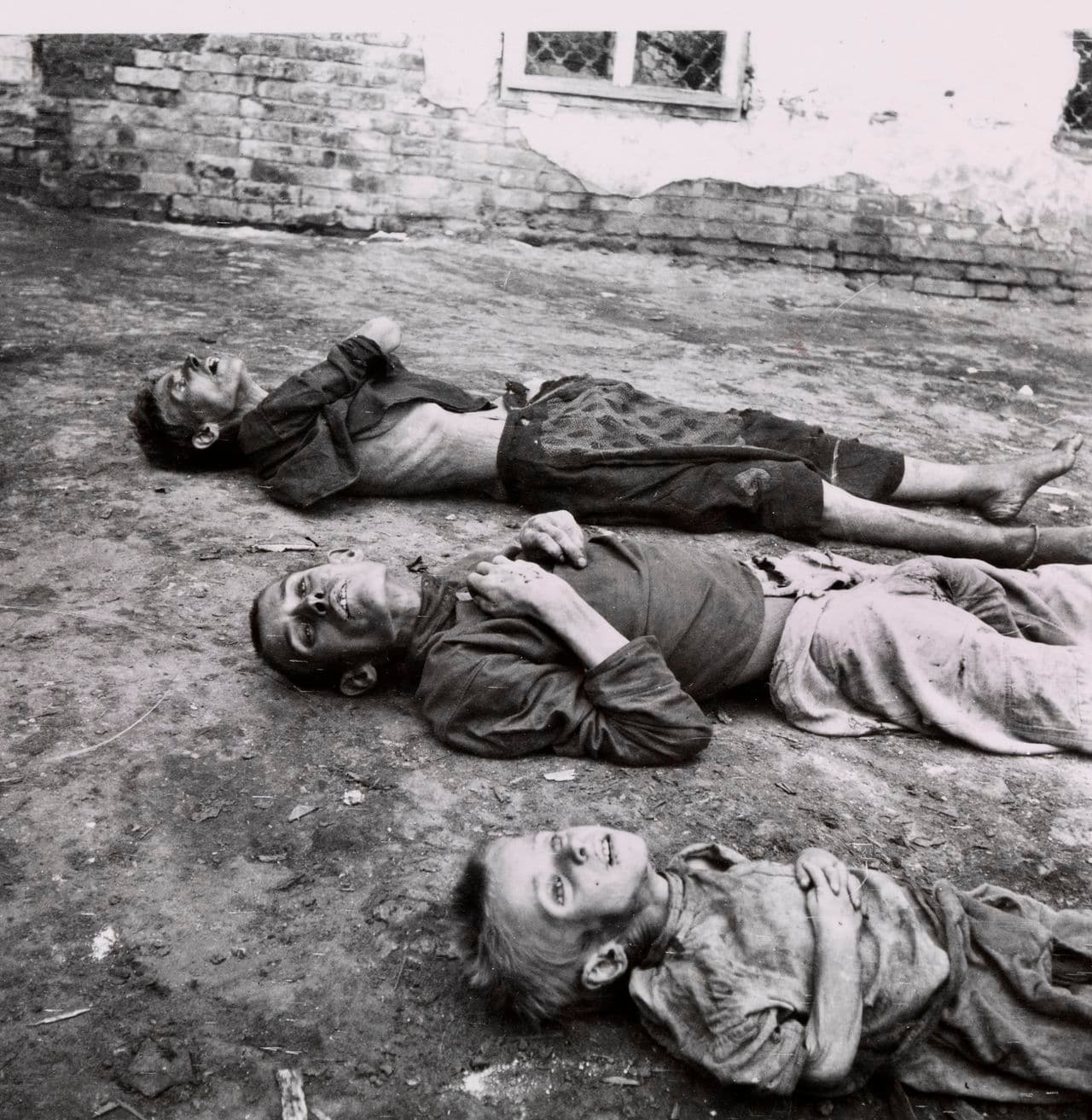
The IRC warns that Somalia is on the brink of a catastrophe, with new IPC projections signaling renewed famine risk. With food prices soaring by 40% in recent months, families are struggling to cope with both drought and rising costs.
Context
The current crisis in Somalia is not a sudden event. It builds on decades of political instability, economic underdevelopment, and climate change impacts. While the country has experienced periodic droughts, this year's situation is exacerbated by the failure of two consecutive rainy seasons, leading to severe crop failures and livestock deaths.
Facts
The price of essential household commodities has continued to rise, with food prices increasing by 40% in recent months. This comes on top of the ongoing drought that has destroyed crops and left millions without access to basic necessities.
Human Impact
The human impact is dire. Families in Somalia are forced to choose between eating and paying for healthcare, with many children going hungry as their parents struggle to find work or sell assets to buy food. The situation has led to widespread malnutrition and increased mortality rates among the most vulnerable populations.
Analysis
For diaspora Africans, this crisis highlights the interconnectedness of our global community. The economic instability in Somalia has significant implications for remittances, which are a lifeline for many families. However, the IRC's warnings also underscore the need for more proactive regional cooperation and investment in resilience-building measures to prevent future crises.
Counterpoints
While the IRC's projections are cause for concern, some analysts argue that regional trade agreements and increased aid could mitigate the impact of this crisis. For instance, the African Continental Free Trade Area (AfCFTA) can promote intra-African trade, potentially alleviating some of the economic pressures on countries like Somalia.
What Happens Next
In the coming months, key signals to watch include policy decisions at both national and regional levels. The Somali government must prioritize immediate relief efforts while also investing in long-term solutions. Additionally, regional bodies like the African Union (AU) should step up their support through coordinated aid and economic interventions.
Takeaway
The single most important thing for the audience to carry away is that this crisis highlights the urgent need for more robust regional cooperation and investment in resilience-building measures. As diaspora Africans, we must continue to advocate for policies that support stability and development in our home countries.