
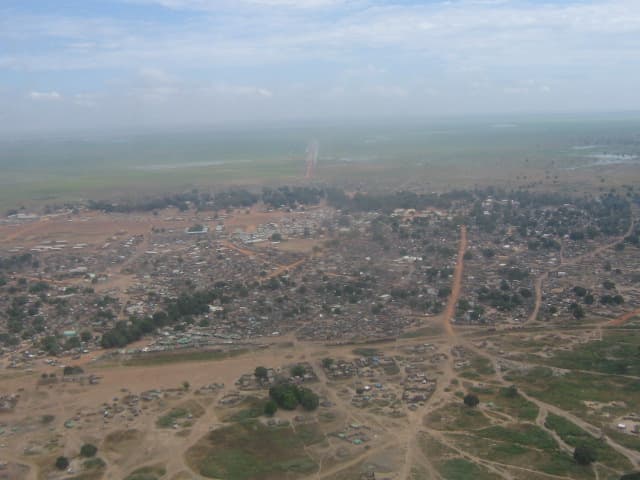
In April 2026, Aweil in South Sudan hosts thousands of displaced persons from ongoing conflicts and seasonal rains. This crisis tests the humanitarian system’s accountability to affected populations.

Context

Historically, South Sudan has faced recurrent displacement due to conflicts and climatic factors. The current crisis is exacerbated by the political instability in Sudan, which has led to a significant influx of refugees over the past year. International aid organizations have struggled to meet the growing needs amid logistical challenges.
Facts
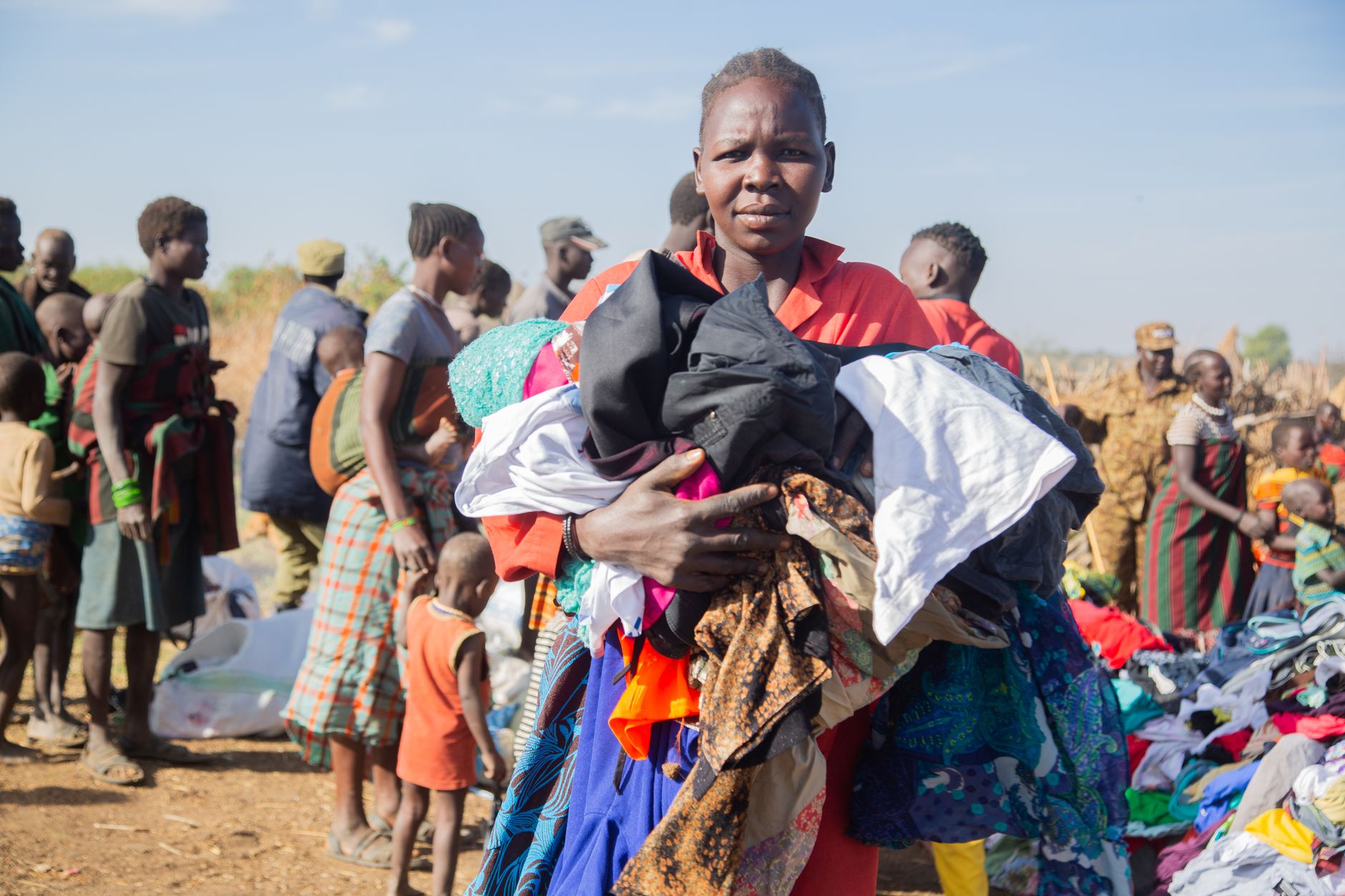
According to the South Sudan Humanitarian Feedback Bulletin, Wedweil is facing severe strain on its basic services. The influx of displaced persons has led to shortages in food and water supplies, while health centers are overwhelmed by increased patient numbers.
Human Impact

Local communities in Aweil have been profoundly affected by the displacement crisis. Residents report a decline in food security and access to clean water, exacerbating existing poverty levels. This has led to increased tension between host and displaced populations.
Analysis
The crisis in Aweil highlights the broader challenges of humanitarian accountability. While international aid organizations have stepped up their response, local governance structures are often ill-equipped to handle such large-scale displacement. This exacerbates existing power imbalances and undermines trust between communities and state institutions.
Counterpoints
Not all actors see this crisis as a purely humanitarian issue. Some argue that increased aid could incentivize further displacement, while others contend that local communities should take more responsibility for managing the influx. These perspectives reflect broader debates on accountability and community engagement in disaster response.
What Happens Next
Looking ahead, key signals to watch include the resolution of Sudanese political instability, which could ease refugee flows. Additionally, the implementation of coordinated regional response strategies could improve humanitarian accountability and reduce local tensions. Immediate policy decisions from the UN and AU will be crucial.
Takeaway
The Aweil crisis underscores the need for more coordinated and accountable humanitarian responses. Communities, aid organizations, and regional bodies must work together to ensure that displaced persons receive the necessary support without exacerbating local tensions.