
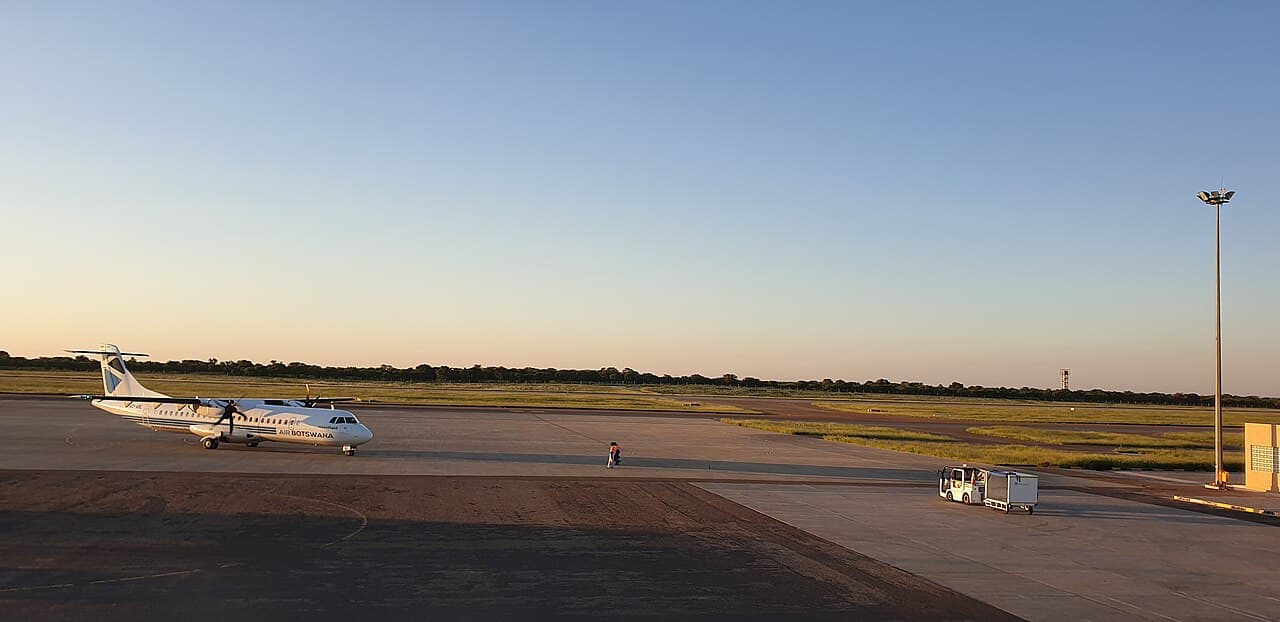
In a single year, Air Botswana has lost over $20 million, bringing its total debt to an alarming level. This dramatic financial collapse raises critical questions about the viability of African airlines and the broader economic challenges they face.

Context

African airlines operate in a complex landscape shaped by historical underinvestment, inadequate government support, and limited international cooperation. The challenges faced by Air Botswana mirror those of many other African carriers, including Kenya Airways, Ethiopian Airlines, and South African Airways. These issues are exacerbated by the global economic downturn and increased competition from low-cost carriers.
Facts
Air Botswana's financial troubles are well-documented. The airline has been grounded several times due to financial losses, including the closure of its Gaborone-Windhoek route in January 2026. These issues stem from high operational costs, inefficient management, and a lack of government support. The Botswana Government has offered limited assistance, which experts argue is insufficient for long-term sustainability.
Human Impact

The financial crisis at Air Botswana directly affects the lives of thousands of workers and their families. Many employees face job losses, while others see reduced wages and benefits. Passengers also suffer, with fewer flights and increased costs for travel within southern Africa. The broader community is concerned about potential safety risks and the impact on the tourism industry, a key sector in Botswana's economy.
Analysis
From a diaspora analyst's perspective, the crisis at Air Botswana underscores the broader structural challenges facing African airlines. The lack of regional cooperation and investment in aviation infrastructure exacerbates the financial strain. Furthermore, the absence of robust regulatory frameworks allows for inefficiencies that could be addressed through greater coordination among African nations. As the continent seeks to integrate more closely, this case study highlights the need for sustained support from both local governments and international partners.
Counterpoints
Some argue that African airlines like Air Botswana should be more self-reliant, pointing to successful private sector models. For instance, Nigeria's Arik Airlines operates profitably without significant government subsidies. However, this view overlooks the unique challenges faced by public carriers in countries with limited economic resources. Additionally, there are those who believe that increased international support is necessary, citing examples of similar crises in other developing regions.
What Happens Next
In the coming months, stakeholders will closely watch Air Botswana's efforts to restructure and secure additional funding. Key signals include the outcome of negotiations with creditors, government support, and potential partnerships with regional airlines. Additionally, international organizations like the African Development Bank may play a crucial role in providing financial assistance. These developments will be critical for determining Air Botswana's future viability.
Takeaway
African diaspora communities must question how their remittances and investments are impacting national economies, particularly in the aviation sector. The financial health of Air Botswana is emblematic of broader structural challenges that require urgent attention from policymakers and regional partners.