
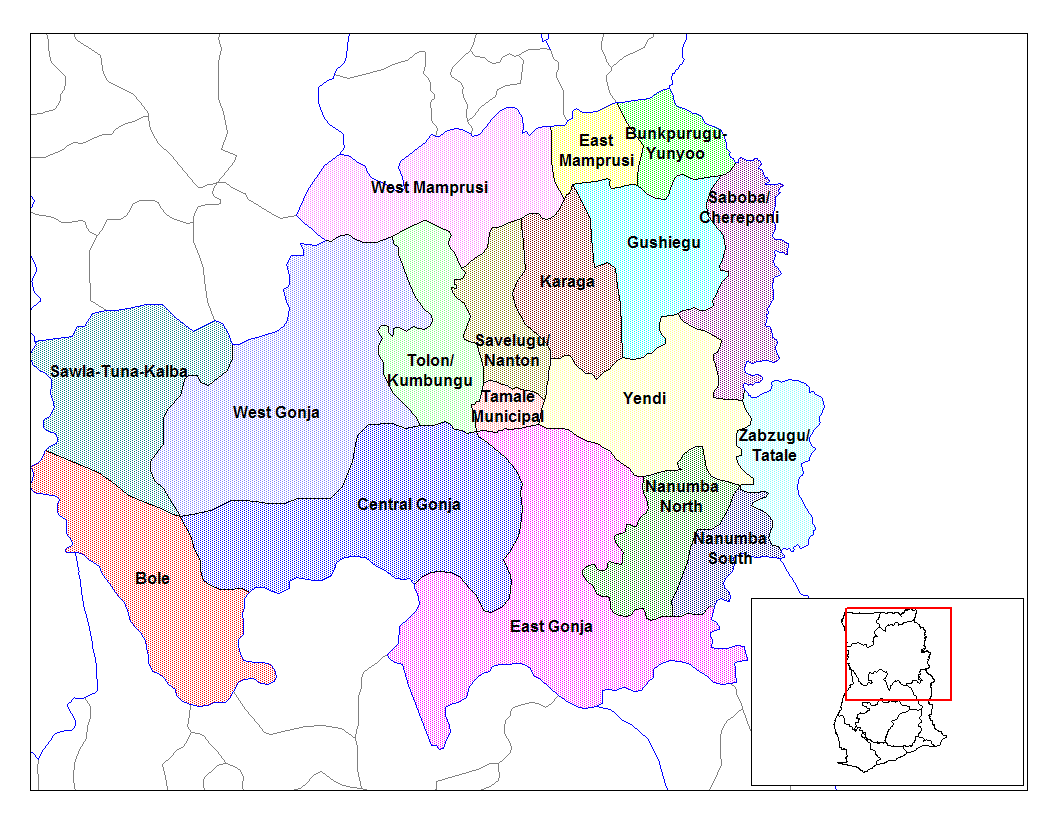
"In the heart of Ghana’s North East Region, Yunyoo Nasuan District holds the grim title: it's the poorest in the country. Despite nationwide efforts to reduce poverty, this one district remains entrenched in deprivation, a stark reminder that progress is uneven across Africa’s regions."
Context
Historically, the North East Region has faced significant economic challenges. The region's poor infrastructure, limited access to education and healthcare, and high levels of rural poverty have long been a cause for concern. This situation is not new; in 2015, the World Bank reported that the region had one of the lowest GDP per capita figures in Ghana. Now, with the rest of the country making strides towards reducing multidimensional poverty—down from 47% in 2019 to just under 37% in 2026—Yunyoo Nasuan stands out as a glaring exception.
Facts
According to the latest data from the Ghana Statistical Service (GSS), Yunyoo Nasuan recorded a multidimensional poverty rate of 51.6% in 2025, compared to Ayawaso North Municipal’s 5.5%. Six other districts in this region also rank among the poorest in the country. This clustering of poverty is part of a broader pattern where northern regions often lag behind southern ones. The underlying reasons include historical underinvestment, climate change impacts, and limited economic diversification efforts.
Human Impact
The impact on residents of Yunyoo Nasuan is profound. Families struggle with basic needs like food and healthcare, leading to widespread malnutrition and poor health outcomes. For instance, a recent UNICEF report highlighted that the district has one of the highest under-5 mortality rates in Ghana. The lack of economic opportunities means many young people are forced to migrate in search of better prospects elsewhere.
Analysis
This situation underscores the complex challenges faced by governments in addressing regional disparities. While nationwide poverty reduction efforts are commendable, they often fail to reach remote or marginalized areas like Yunyoo Nasuan. The government’s flagship programs have primarily targeted urban centers and economically vibrant regions, leaving rural and northern districts behind. Additionally, international aid focused on specific issues can sometimes overlook the broader systemic issues that exacerbate poverty.
Counterpoints
However, not all voices agree. Dr. Kwame Agyei, an economist at the University of Ghana, argues that while Yunyoo Nasuan faces unique challenges, focusing solely on this district diverts attention from broader systemic issues. He points out that regional disparities are a national concern and require comprehensive policy solutions rather than isolated interventions.
What Happens Next
Going forward, the government of Ghana must prioritize inclusive growth strategies that address these systemic issues. Key indicators to watch include upcoming regional development plans and budget allocations for infrastructure projects in the North East Region. Additionally, international donors should consider revisiting their focus areas to ensure a more equitable distribution of resources.
Takeaway
The key takeaway is that while Ghana has made significant strides in poverty reduction, there are still critical areas that need urgent attention. The persistence of extreme poverty in Yunyoo Nasuan District serves as a stark reminder of the work that remains to be done.