
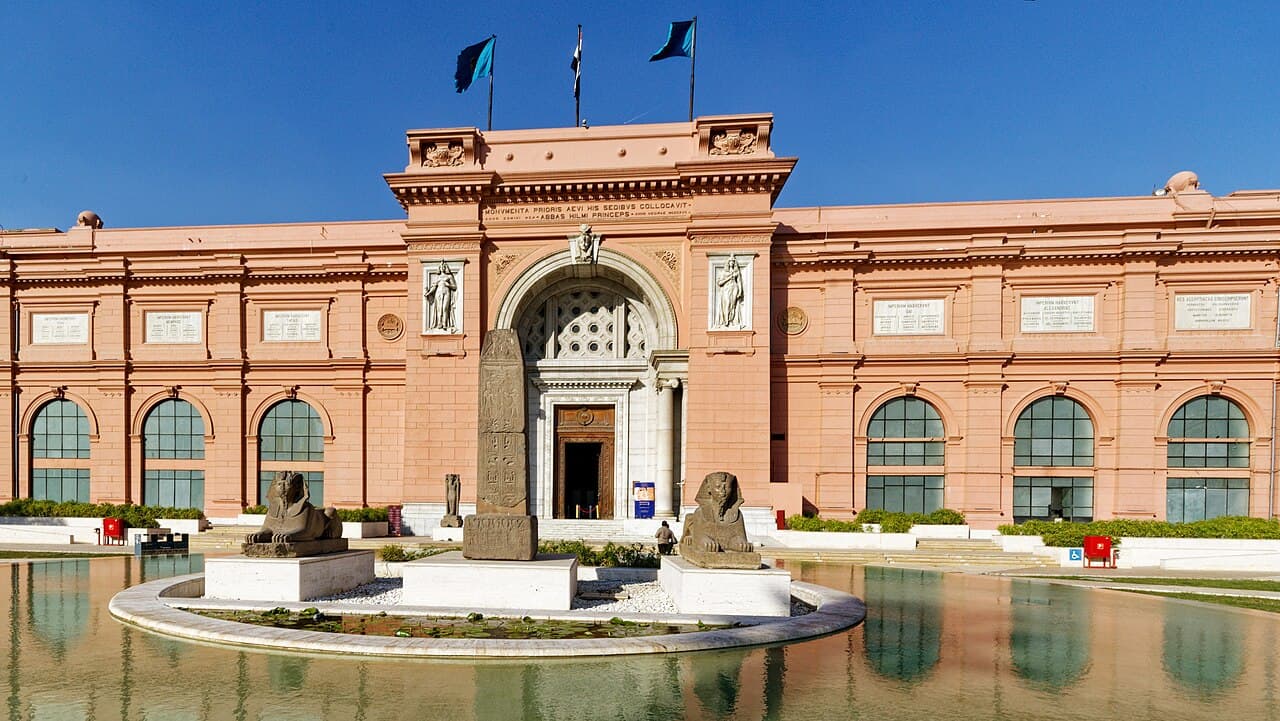
US envoy Nick Adams just walked out of the Grand Egyptian Museum, leaving behind a secret that could change US-Egyptian relations forever. What did he see in there? The museum houses the world's largest collection of ancient artifacts, including the sarcophagus of Pharaoh Tutankhamun. But what secrets might have caught the envoy’s attention?
Context
The opening of the Grand Egyptian Museum, which welcomed US envoy Nick Adams on May 15, 2026, comes at a critical juncture in US-Egyptian relations. This $473 million project, funded by Egypt and international donors, aims to boost tourism, one of Egypt's vital economic sectors. The US, under the leadership of Envoy Adams, seeks to deepen bilateral cooperation through shared cultural heritage and economic ties.
Facts
Nick Adams, in his official capacity as the US Special Presidential Envoy for Tourism, praised the museum's exceptional exhibits. He highlighted potential areas for increased cooperation between Egypt and the United States. The museum, inaugurated on March 28, 2026, houses over 100,000 artifacts, including some of the most significant archaeological finds from ancient Egypt. The visit underscores a growing partnership in cultural diplomacy.
Human Impact
For Egyptians, the museum represents both economic opportunity and national pride. The opening coincides with a challenging economic environment, where tourism has been crucial for job creation and foreign exchange. However, critics argue that such large-scale projects can overshadow local museums and smaller communities. How will this grand facility impact the broader Egyptian economy and cultural landscape?
Analysis
The visit signifies a strategic move by the US to enhance its soft power in Africa. By focusing on shared cultural heritage, the US aims to strengthen diplomatic ties and economic cooperation. This could have significant implications for regional trade and investment. However, it also raises questions about the sustainability of such large-scale projects and their impact on local communities.
Counterpoints
Some African analysts argue that while such partnerships can bring immediate benefits, they also perpetuate a Western-centric view of culture. Dr. Aisha Al-Sharif from Cairo University criticizes the focus on grand projects over grassroots initiatives. 'We need to invest in local communities and ensure that all voices are heard,' she asserts.
What Happens Next
The future of US-Egyptian relations and regional tourism hinges on several key factors: policy decisions, market responses, and diplomatic actions. The upcoming US-Africa Leaders Summit in June 2026 could provide crucial signals on the direction of this partnership. Watch for announcements related to funding and collaboration.
Takeaway
The visit by Nick Adams marks a significant step in strengthening US-Egyptian ties through cultural and economic cooperation. However, it is crucial to consider the broader impact on local communities and ensure that such initiatives are sustainable.