In a twist of fate, UNICEF is sending 45,000 doses to Kasai in DRC, but the region's own efforts are underfunded. Can they stop Ebola from spreading? Amidst ongoing crises, we delve into the critical gap between aid and local resources.
Context
The Ebola outbreak in DRC, now reaching Kasai province, highlights the systemic challenges facing Africa. The situation is compounded by years of conflict and underfunding. UNICEF declared an emergency on 15 April 2026, marking a critical moment as the World Health Organization also flagged it as a Public Health Emergency of International Concern (PHEIC). This comes after months of inaction, with key regional partners failing to mobilize adequate resources.
Facts
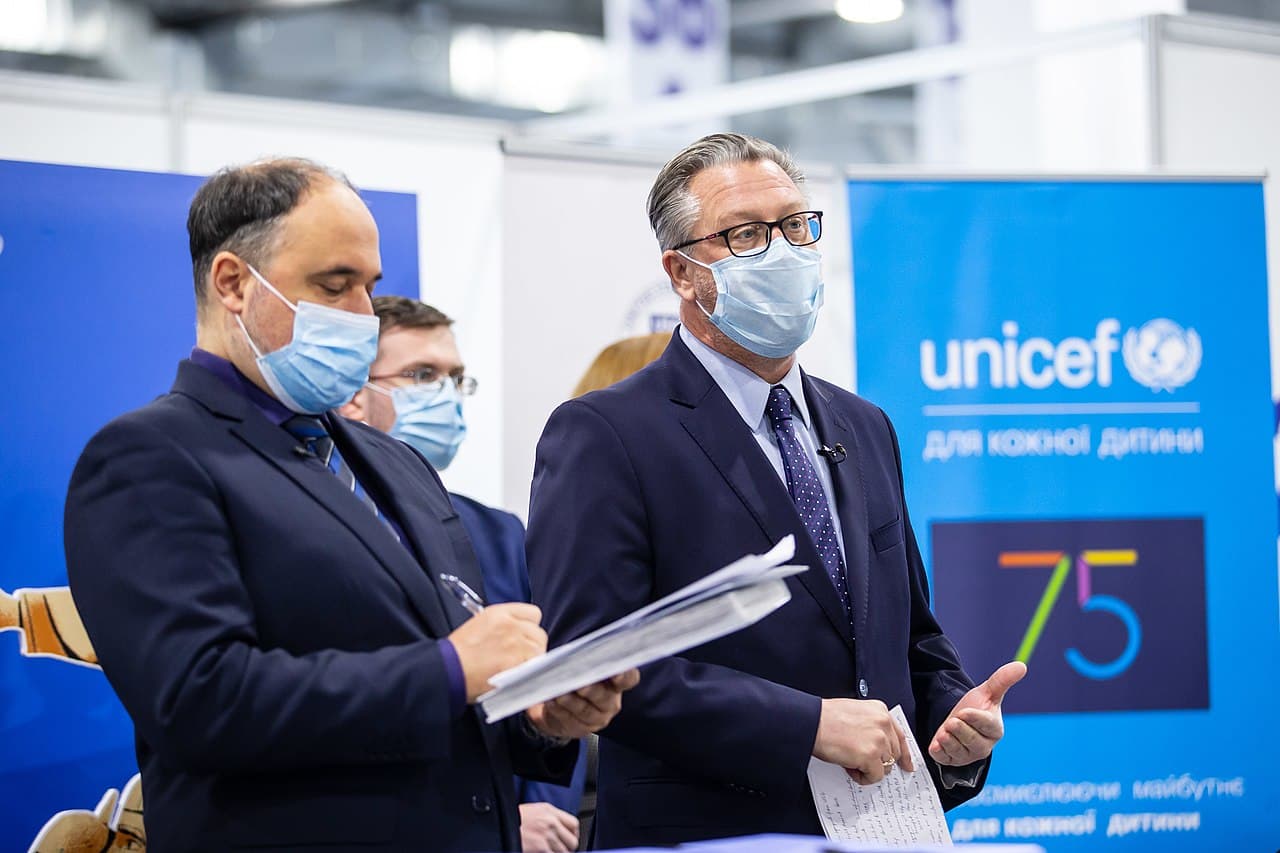
UNICEF is delivering nearly 45,000 doses of the Ebola vaccine to Kasai province in DRC. This effort follows UNICEF’s declaration of a Public Health Emergency on 15 April 2026. The WHO officially recognized the situation as a PHEIC on 20 May 2026. However, despite these measures, funding remains critically low, with only 30% of requested funds allocated so far.
Human Impact
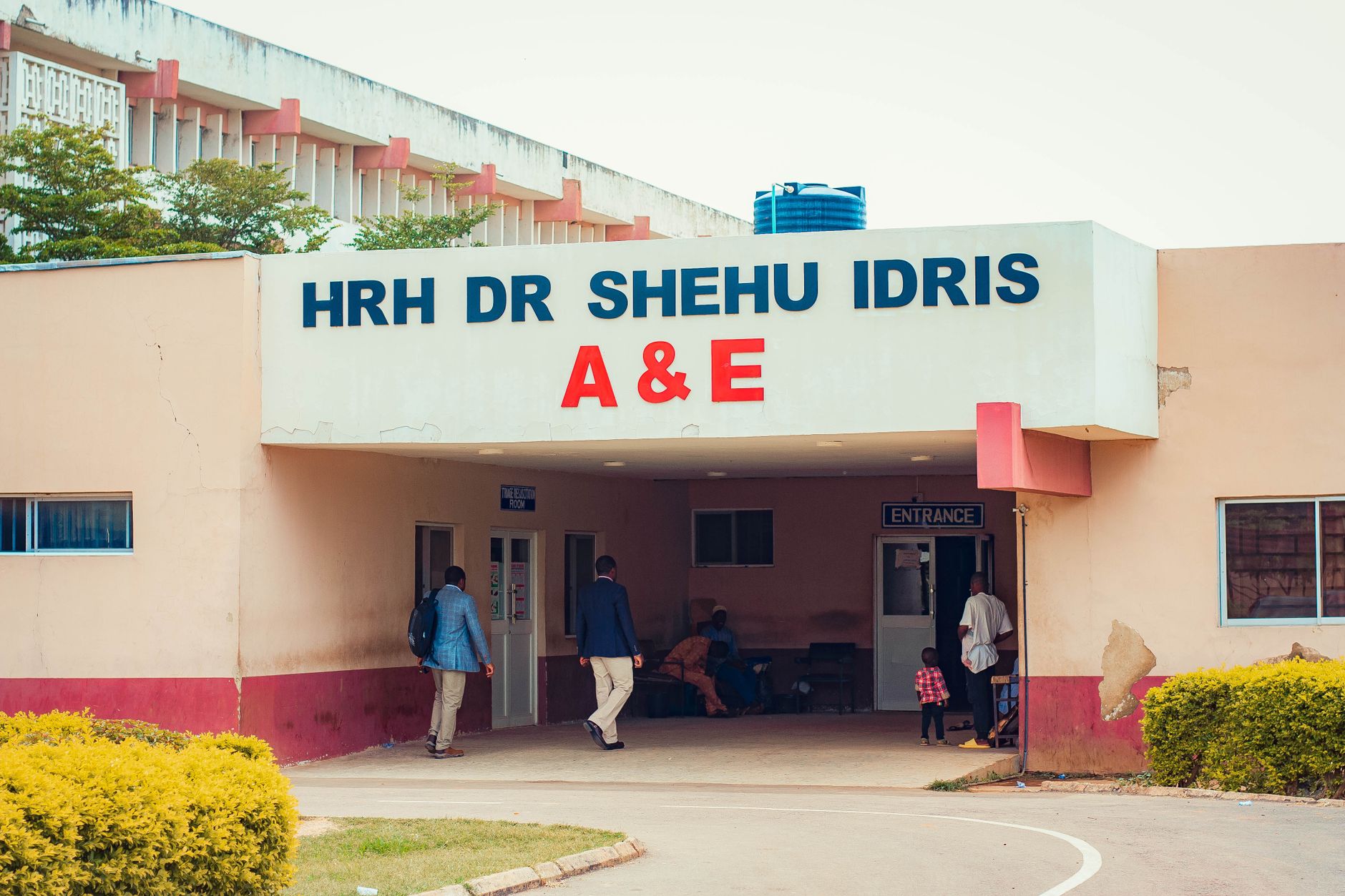
The impact on local communities is devastating. In Kasai, hospitals are overwhelmed, and families struggle to find basic healthcare. Dr. Jane Mubenga of UNICEF, who has been coordinating efforts in the region since January 2026, reports that over 50 children under five have died from Ebola-related complications within the last month alone. 'Every day, we see more suffering,' she says.
Analysis
This crisis underscores the broader challenges of healthcare funding and governance in DRC. The outbreak’s spread is exacerbated by underfunded health systems, which struggle to contain and treat the disease effectively. Meanwhile, regional powers like Rwanda have stepped in with support, but their involvement raises questions about intra-African solidarity and resource allocation.
Counterpoints

However, some argue that increased international funding could come at a cost. Dr. Kigali Mwanga of the Rwandan Ministry of Health suggests that over-reliance on external aid undermines local capacity building. 'While urgent, these interventions must not distract from long-term solutions,' she cautions.
What Happens Next
The next few weeks will be crucial. Policy decisions and funding allocations could shift the trajectory of this crisis. Watch for key signals: WHO's response to the PHEIC, regional cooperation efforts, and donor commitments at the upcoming Africa Health Summit in Nairobi on 1 June 2026.
Takeaway
The single most important thing is the urgent need for sustained funding. This story underscores how underfunded systems leave millions vulnerable to deadly diseases like Ebola.