
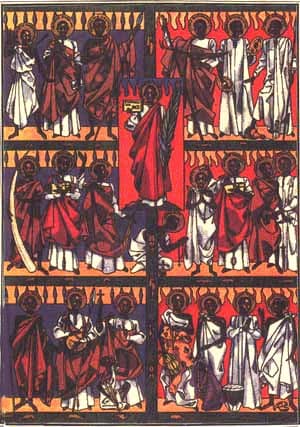
Imagine this: Uganda's biggest holiday, postponed because of fears from a country thousands of miles away. What’s really going on? In the heart of Kampala, churches usually bustle with pilgrims on June 3rd, but this year, they're eerily quiet. The Ugandan government has canceled these celebrations, citing Ebola fears from the DRC.
Context
The postponement of Uganda's Martyrs' Day, a national holiday with deep historical and religious significance, comes at a time when the Democratic Republic of Congo (DRC) is facing an unprecedented Ebola outbreak. This crisis has already claimed over 1,000 lives since its discovery in late April. The DRC bordering regions are just a few hours away by road from Uganda’s northern towns, where pilgrims traditionally gather for this event. As the WHO declared a global emergency on May 16th, Ugandan authorities acted swiftly to prevent potential spread.
Facts
President Yoweri Museveni himself announced the decision, stating that public health is paramount. The annual celebrations traditionally attract millions of pilgrims from across East Africa and beyond. This year, however, organizers are expected to reduce or cancel events altogether, affecting local economies reliant on tourism during this period. According to Uganda’s Ministry of Health, there have been no confirmed cases within the country so far.
Human Impact
Communities across Uganda are feeling the impact. In the town of Mityana, which is one of the key entry points for pilgrims, local businesses report a sharp decline in income. The cancellation has also affected healthcare workers who often organize medical camps alongside the event. While some churches plan virtual services, the emotional and spiritual impact on individuals cannot be overstated.
Analysis
This decision reflects broader trends in regional cooperation and public health management. The postponement of Martyrs' Day is part of a wider strategy to contain the spread of the virus, mirroring similar measures taken by other East African countries. However, it also highlights the economic and social disruption such decisions can cause. For Museveni's government, the challenge lies in balancing public safety with the need to maintain regional integration and tourism revenues.
Counterpoints
While local authorities are focused on public health, some religious leaders argue that the cancellation could undermine faith-based efforts to combat the virus. Bishop John Mwesigye, speaking from Kampala, said: 'Cancelling this event could be seen as a blow to our community's morale and unity.' Meanwhile, regional health experts see the decision as a temporary measure with long-term benefits in terms of public safety.
What Happens Next
As we move forward, the key indicators to watch include the response of neighboring countries and the effectiveness of preventive measures. The Ugandan government is expected to continue monitoring the situation closely and will reassess the decision as new data emerges. For now, the focus remains on containing the outbreak while maintaining regional solidarity.
Takeaway
In conclusion, the postponement of Martyrs' Day underscores the complex interplay between public health and economic concerns. As we navigate this crisis, it’s crucial to balance these priorities without losing sight of the human cost.