

Imagine a city submerged in water, homes destroyed, and lives shattered. Now, imagine compassionate strangers arriving from across the globe to offer hope amidst the chaos. That's what happened in Mozambique when Tzu Chi stepped in with their flood relief efforts.

Context
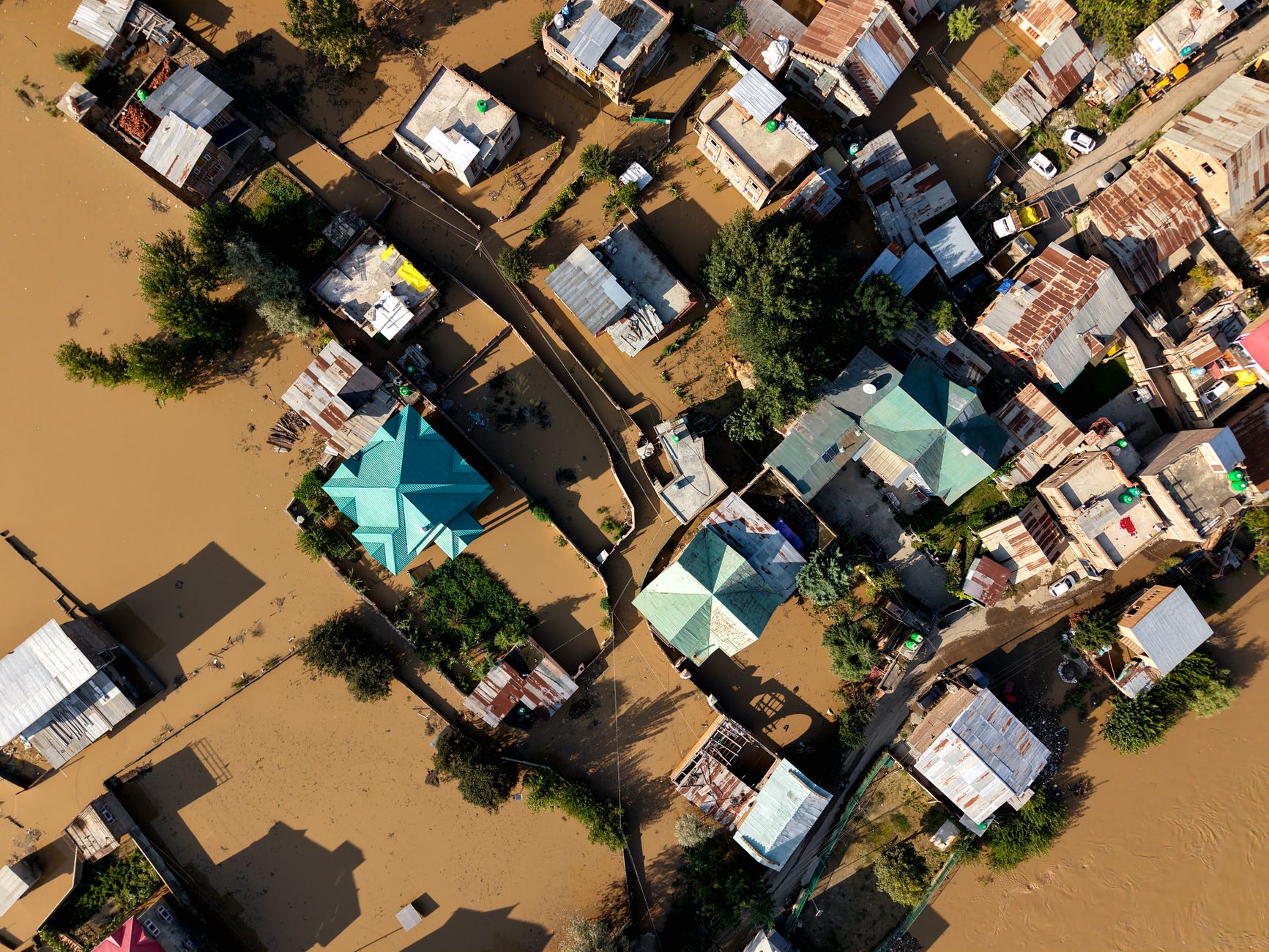
In the wake of severe flooding that ravaged Mozambique, a humanitarian organization, Tzu Chi Charitable Foundation, mobilized to provide emergency relief. The floods, some of the worst in recent memory, left communities in tatters, raising questions about the country's resilience and preparedness.
Facts

Tzu Chi provided medical teams and volunteers for emergency relief, community clean-up activities, and agricultural recovery support. Their efforts focused on safe housing, medical care, and seed distribution to help families rebuild their lives.
Human Impact

The impact of Tzu Chi's intervention was felt keenly by the affected communities. Volunteers played a crucial role, offering not just material aid but also psychological support to those who had lost everything.
Analysis
Tzu Chi's presence in Mozambique highlights the need for international cooperation and support during times of crisis. Their focus on community clean-up and agricultural recovery points to a holistic approach that addresses both immediate needs and long-term sustainability.
Counterpoints
While universally applauded, there are discussions about the efficacy of short-term relief versus long-term solutions. Critics argue for a more sustainable approach that reduces future vulnerability.
What Happens Next
As Mozambique looks towards recovery, the question remains: How can we ensure that such devastating floods do not lead to long-term setbacks? The path forward will require a blend of international support and local resilience building.
Takeaway
The story of Tzu Chi in Mozambique reminds us of the power of compassion and cooperation during times of crisis. It's a call to action for all, to not only respond but also to build resilience that will withstand future shocks.