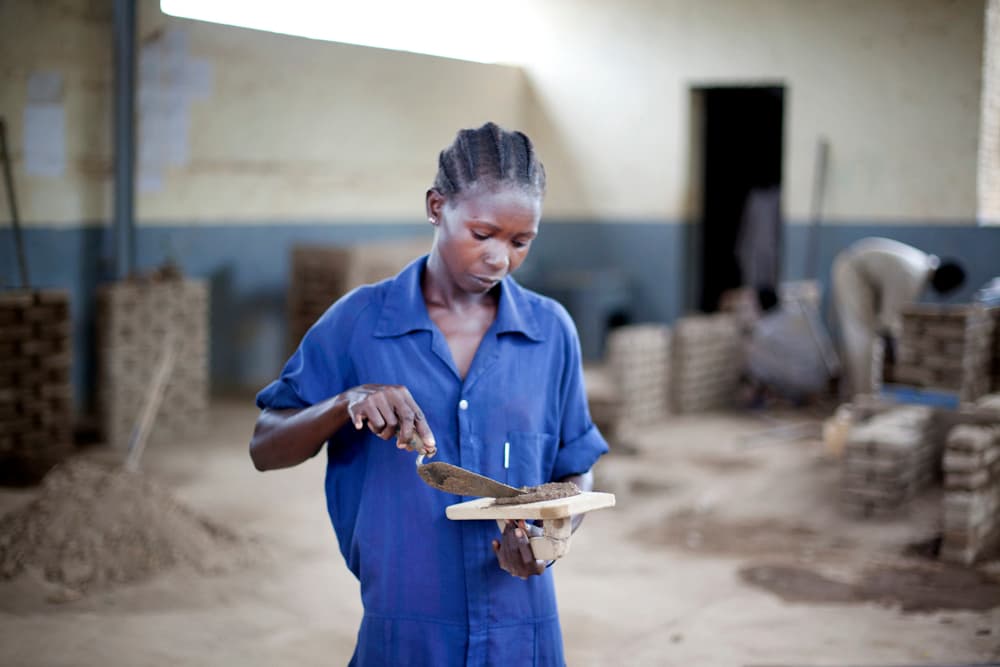
"In South Africa, gender-based violence is now considered a national disaster. Yet, despite years of international pressure and local activism, how can one of the continent's strongest nations still struggle so deeply with this crisis?"
Context
The state of women's rights in South Africa and across Africa remains a complex challenge. In 2015, the United Nations declared gender-based violence a national disaster in South Africa, following widespread protests and international outrage. However, the legal framework against such violence is often poorly enforced due to weak institutions and cultural norms that normalize violence. The African Union's Protocol on the Rights of Women in Africa was ratified by most countries, yet enforcement remains inconsistent.
Facts
South Africa is one of the few countries to have taken a bold stance, with the National Institute for Crime Prevention and Reintegration estimating that 1 in 4 women experience gender-based violence in their lifetime. The country has also seen increased activism and international support, including UNICEF reports on rising incidences during conflicts. Yet, enforcement is hampered by understaffed police forces and a backlog of cases.
Human Impact
The human impact is profound. Women in South Africa face daily threats, with survivors often unable to seek justice due to inadequate legal support. The economic burden of violence is significant; a study by the World Bank estimated that gender-based violence costs South Africa an annual 10% loss in GDP. Cultural norms, like honor killings and forced marriages, further exacerbate this issue.
Analysis
This crisis is emblematic of broader systemic issues. Weak governance, limited resources for law enforcement, and entrenched cultural practices hinder progress. Economically, the cost of violence limits growth opportunities. Politically, while there are international commitments like the Convention on the Elimination of All Forms of Discrimination against Women (CEDAW), these often fail to translate into actionable policies.
Counterpoints
However, there are differing views. The South African government argues that significant strides have been made in recent years, citing increased funding for women's shelters and legal reforms. Yet, critics like the Women's National Council argue these measures fall short without addressing systemic issues of power and inequality.
What Happens Next
Moving forward, key indicators to watch include upcoming legislative reviews and policy reforms. The 2026 African Union Conference on Gender Equality could provide significant momentum for change. Additionally, increased international support from organizations like the UN Women will be crucial.
Takeaway
The single most important fact is that while progress is being made, systemic change requires sustained effort. The question to keep asking: How can we ensure legal frameworks are not just on paper but effectively protect women's rights in South Africa and across the continent?