
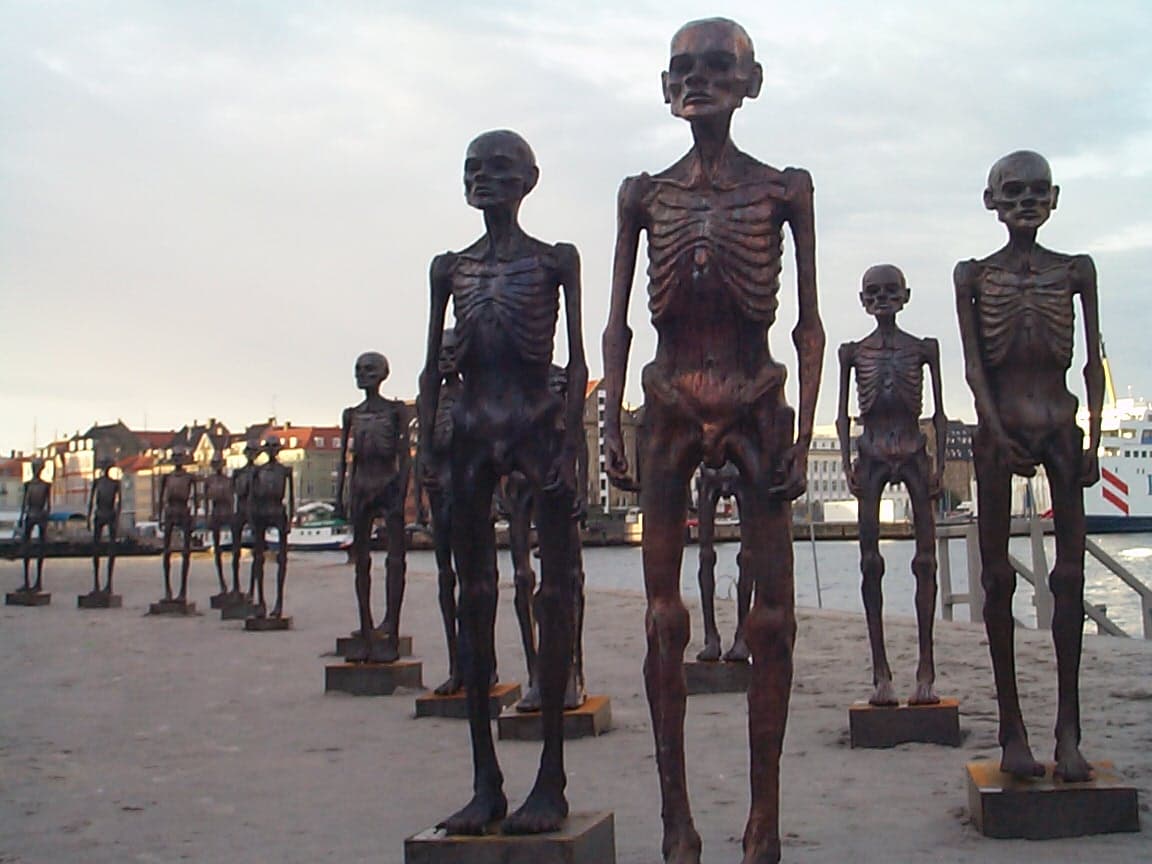
In Somalia, one in every four children under five is now malnourished. The UN warns of a looming famine that could push 1.9 million people to the brink. This crisis threatens not just lives but entire communities.
Context
Historically, Somalia has struggled with recurrent droughts and conflicts. This latest crisis is exacerbated by climate change and a regional economic downturn that has crippled the country's ability to import food. The first famine risk since 2022 is confirmed, with close to 1.9 million people facing Emergency (IPC Phase 4) status. This marks a significant escalation from just over half a million in February of last year.
Facts
According to the joint warning by OCHA, FAO, WFP, and UNICEF, nearly 1.9 million people are acutely food insecure in Somalia. This number has tripled in less than a year. The crisis is not limited to urban areas but has spread to rural regions due to failed rains and displacement from conflict.
Human Impact
The human toll is staggering. Over 80% of the affected population are children under five years old. Malnutrition can lead to stunted growth, weakened immune systems, and even death. In Mogadishu alone, hospitals have seen a surge in cases of severe acute malnutrition. The economic impact is devastating; livelihoods are lost as farmers struggle to grow food.
Analysis
This crisis has profound implications for Somalia's economy, political stability, and regional dynamics. It highlights the failures of global governance and aid systems that struggle to respond quickly enough. The Somali government faces immense pressure to implement reforms and manage resources effectively. Meanwhile, donors must prioritize support, recognizing the complex interplay between climate change, conflict, and economic instability.
Counterpoints
Not all agree on the scale or urgency of this crisis. Some critics argue that overblown warnings can lead to complacency when solutions are available through local food production and trade. However, these arguments are often dismissed by those who have seen the dire conditions firsthand. The debate centers on how best to allocate limited resources while addressing systemic issues.
What Happens Next
Immediate actions are needed to prevent further deterioration. The UN is calling for an additional $200 million in aid to support emergency response efforts. Key signals to watch include the government's budget allocations, donor pledges at upcoming funding conferences, and regional cooperation initiatives aimed at addressing root causes of food insecurity.
Takeaway
The single most important fact is that millions in Somalia face an acute risk of starvation. This crisis demands urgent international attention to prevent a catastrophe. The question we must all ask is: What can I do to help?