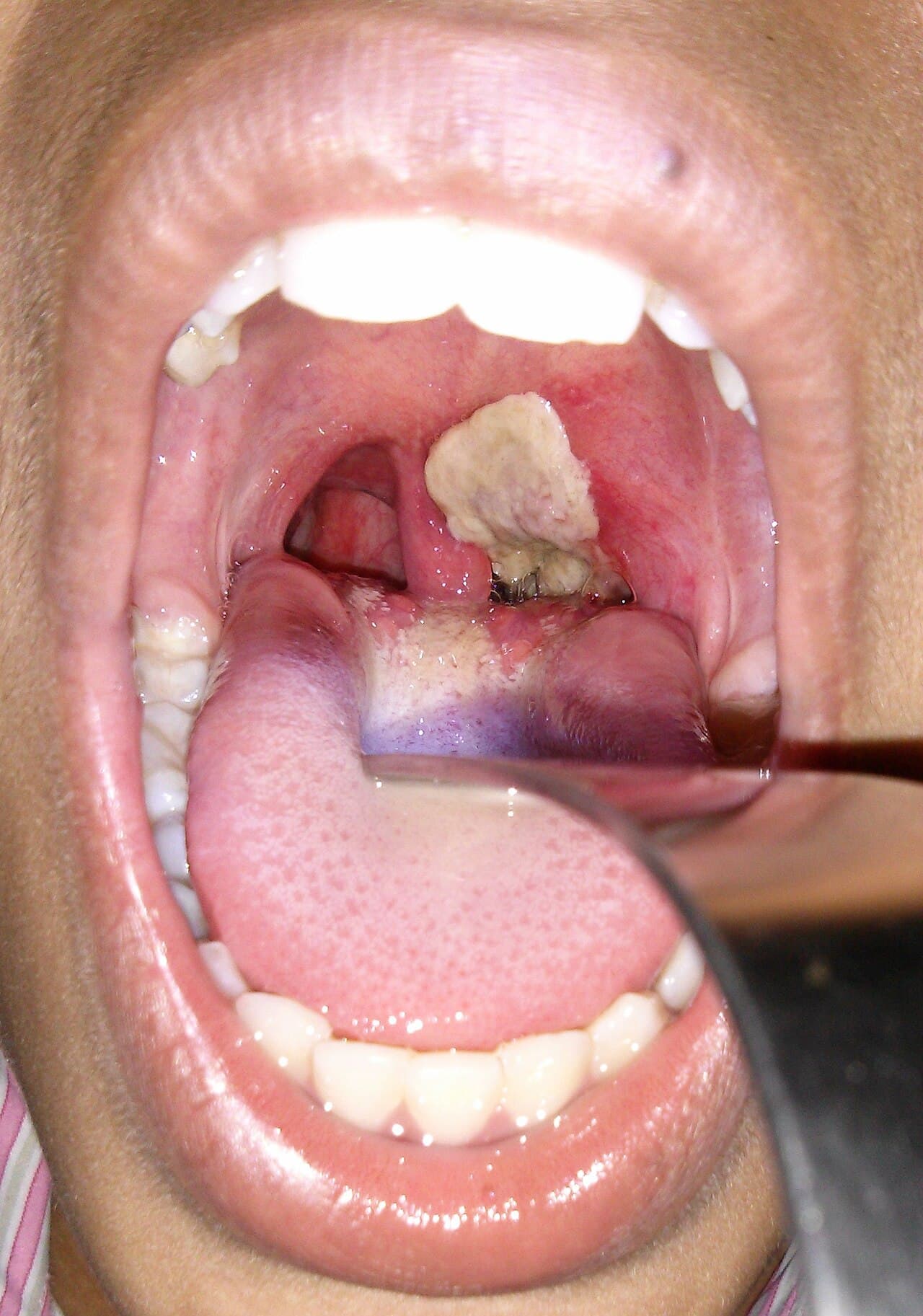
In March, diphtheria cases in Mali skyrocketed to 1,200—a disease not seen on this scale since the 1990s. In Timbuktu, one family lost three children within a week. This isn't just a medical emergency; it's a human tragedy.
Context
The crisis in Mali is complex. Ongoing insecurity, coupled with climate change, has left the country in a state of perpetual turmoil. Since 2012, violence has displaced over 1 million people, and access to healthcare remains a challenge. The United Nations recently reported that humanitarian conditions have worsened significantly due to these factors.
Facts
According to UNFPA’s latest Situation Report, diphtheria cases have surged to 1,200 in March alone. This figure is alarming as it marks a significant increase from previous years. The organization also confirmed mpox infections, which are particularly severe in the central regions. As of last week, 50% of affected areas reported unverified reports of food shortages, exacerbating the crisis.
Human Impact
Communities in Kayes and Gao are bearing the brunt of this crisis. A hospital in Kayes reported a 40% increase in admissions, with over half being children under five. The WHO has provided aid but access is limited due to insecurity. Meanwhile, local health workers struggle without proper resources or support.
Analysis
This crisis underscores broader systemic issues in Mali. The government's inability to provide consistent healthcare services, compounded by regional conflicts, has created a perfect storm for outbreaks. Regional partners like ECOWAS and UNICEF are working on long-term solutions but immediate action is needed to prevent further spread.
Counterpoints
Some argue that international aid has been insufficient, pointing out that previous health initiatives have not addressed underlying issues. The Malian government, however, maintains a robust public health system and attributes the current situation to external factors like climate change and regional instability.
What Happens Next
Looking ahead, key signals include upcoming parliamentary elections in June. Policy decisions on healthcare funding and international aid allocation will be crucial. Additionally, the World Health Assembly in May 2026 could provide new funding for regional health initiatives.
Takeaway
The most important takeaway is the urgent need for a comprehensive approach to healthcare in Mali. This crisis highlights the interconnectedness of regional security, climate change, and public health policies.