

In a twist no one saw coming, Israel’s elections could now be swayed by Iran and Lebanon. How? Amid ongoing tensions, Netanyahu's rivals in the Mideast are positioning themselves to influence the outcome of this high-stakes vote.
Context

The upcoming Israeli elections, set for later in the year, are more than just domestic politics. They represent a pivotal moment in Mideast geopolitics. Israel's relations with Iran and Lebanon have been fraught with tension since the 2019 assassination of prominent Iranian General Qassem Soleimani. This event marked a significant escalation in regional conflicts, leading to increased scrutiny over Israel’s alliances and foreign policy. The current election thus becomes a crossroads for both Israeli domestic governance and regional stability.
Facts

Netanyahu's political opponents, such as Benny Gantz from the Blue and White party, have been leveraging Iran’s support in Lebanon to undermine Netanyahu. According to 'High stakes of the Israeli elections - World' by Al-Ahram Weekly, Netanyahu's rivals are positioning themselves as the voice of stability against Iran’s perceived destabilizing influence. Meanwhile, the Israeli Ministry of Foreign Affairs has reported that Iranian-backed militias in Lebanon pose a direct threat to Israel's security, raising the stakes for the election.
Human Impact
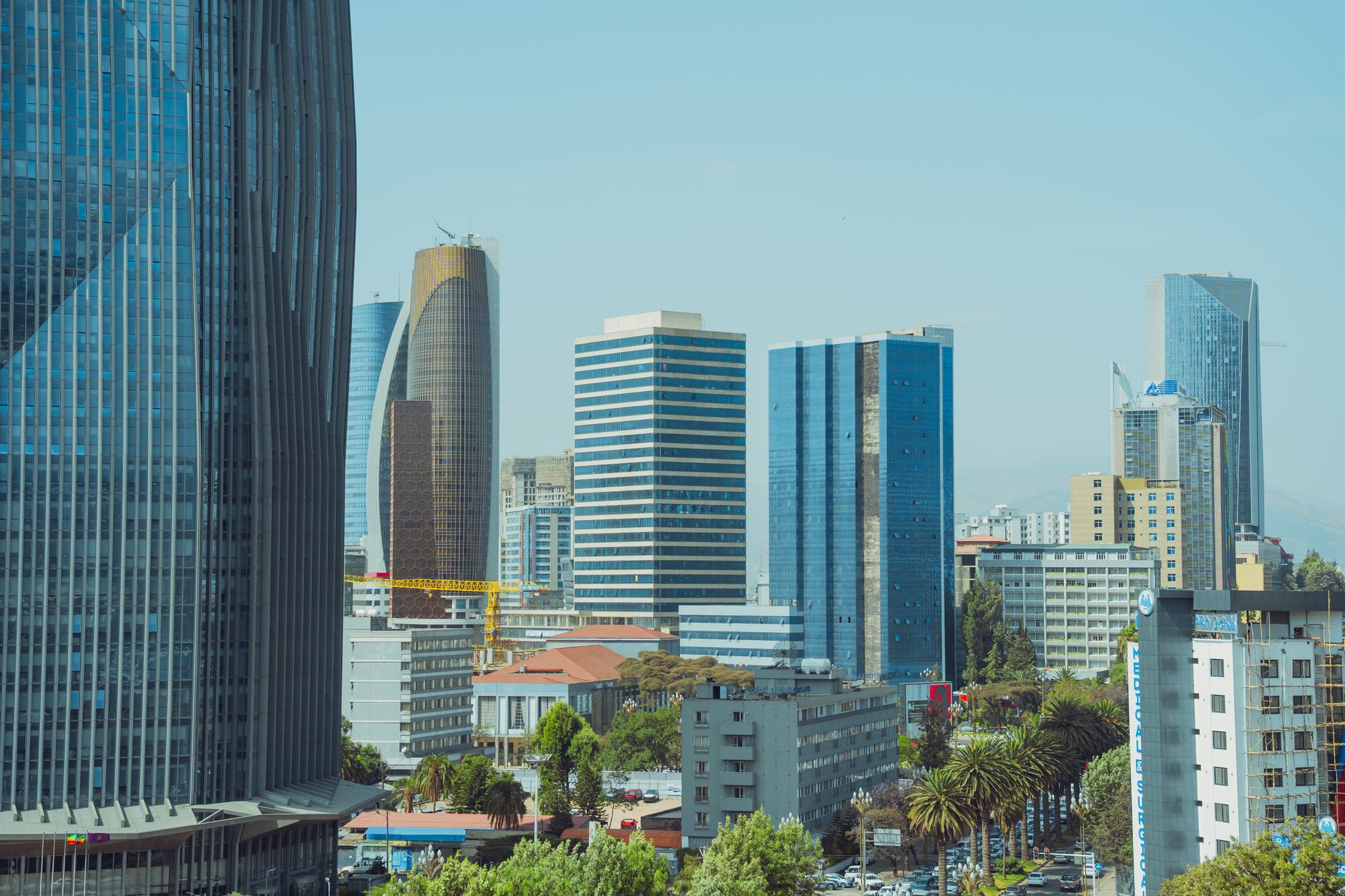
This election could have profound implications for African economies and security. Many African countries, including those in East Africa like Ethiopia and Uganda, are major trading partners with Israel. A change in Israeli leadership could affect trade agreements and aid programs, impacting economic growth on the continent. Additionally, any shift in regional alliances could influence peace negotiations involving African nations involved in conflicts like Libya.
Analysis
The outcome of these elections is not just a matter of Israeli domestic politics. It could redefine the balance of power in the Middle East, potentially altering trade relations and security partnerships. For Africa, this means that any shift towards a more conciliatory stance with Iran could have far-reaching consequences for economic stability. Conversely, continued tensions could lead to increased military spending and geopolitical risks, affecting regional dynamics.
Counterpoints

However, some analysts argue that Netanyahu’s continued support for strong anti-Iran policies is crucial to regional stability. Gantz and other opposition leaders have been criticized for their perceived lack of decisiveness in addressing Iran's influence in Lebanon. They maintain that maintaining the status quo is necessary to protect Israel from potential threats.
What Happens Next
As voting day approaches, key indicators include the level of support for Netanyahu's coalition partners and the stance on Iran. If opposition parties gain significant ground, they may seek to realign Israel’s foreign policy. Watch for signs of increased diplomatic activity with African countries as a potential bargaining chip in negotiations.
Takeaway
The outcome of these elections could redefine Mideast power dynamics and impact African economies and security. Readers should continue to follow the geopolitical developments in Israel as they unfold.