
In Kenya, gospel singer Rachel Wandeto died after suffering nearly three-quarters of her body in burns. Her tragic end was linked to a deeply controversial act that put her life at risk. Imagine the pain and suffering she endured as flames engulfed her body during what should have been a joyous performance.
Context
The incident occurred in Mwiki, a small town in Kenya, following her tattooing President William Ruto's image on her body. This act was seen as an affront to the president and sparked outrage among his supporters. The attack on Wandeto is part of a larger discourse on freedom of expression and state-sponsored violence against critics in Kenya. It comes at a time when the government has been under scrutiny for its handling of social media criticism, with reports suggesting that cyber attacks have become a tool for political repression.
Facts
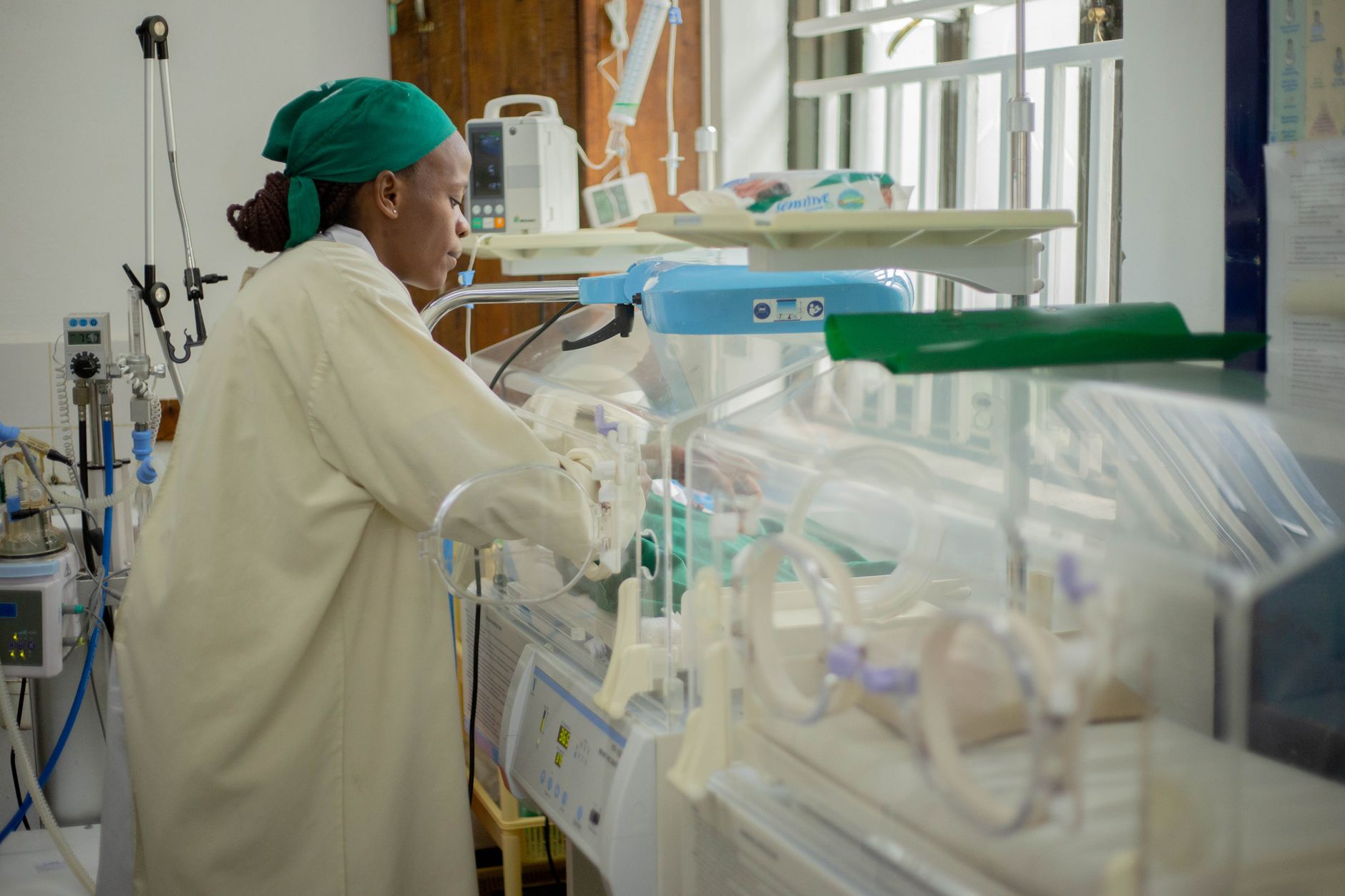
Wandeto suffered approximately 70 per cent burns in the attack. She was taken to Kenyatta National Hospital, where she died despite medical efforts. The attackers are unknown and have not been apprehended. The incident has sparked widespread condemnation from human rights groups and the international community. According to a report by the Human Rights Watch, such attacks on artists and critics signal a concerning trend of government interference in personal freedoms.
Human Impact

The death of Rachel Wandeto has left her family devastated, particularly her husband and children. Her funeral was attended by thousands of mourners who paid their respects in a show of solidarity. The incident also affected the gospel music industry, with many artists questioning the price of freedom of expression in Kenya. It highlights the precarious position of those who dare to challenge political authority without protection.
Analysis

This incident connects to a broader pattern of state-sponsored violence against critics in Kenya. It raises questions about the rule of law and the safety of those who speak truth to power. The government's response has been criticized as inadequate, with many arguing that such attacks chill free expression. This case not only affects individual artists but also sets a dangerous precedent for anyone opposing political figures.
Counterpoints
While many view this attack as a violation of Wandeto's rights, some argue that her actions were inappropriate. Government officials have stated that the attack was a private matter not related to official duties or public safety. However, critics point out that these positions are often used to silence dissent and protect those in power from accountability.
What Happens Next
The death of Rachel Wandeto is likely to reignite debates about freedom of expression in Kenya. Watch for potential changes in legislation or increased scrutiny of state-sponsored violence against critics. The Kenyan government has promised an investigation, but the outcome could take weeks or even months. As the case unfolds, it will be crucial to monitor how the justice system handles this high-profile incident.
Takeaway
The death of Rachel Wandeto serves as a stark reminder of the risks associated with speaking truth to power in Kenya. Her case underscores the need for robust protections for freedom of expression, not just among artists but across all sectors.