
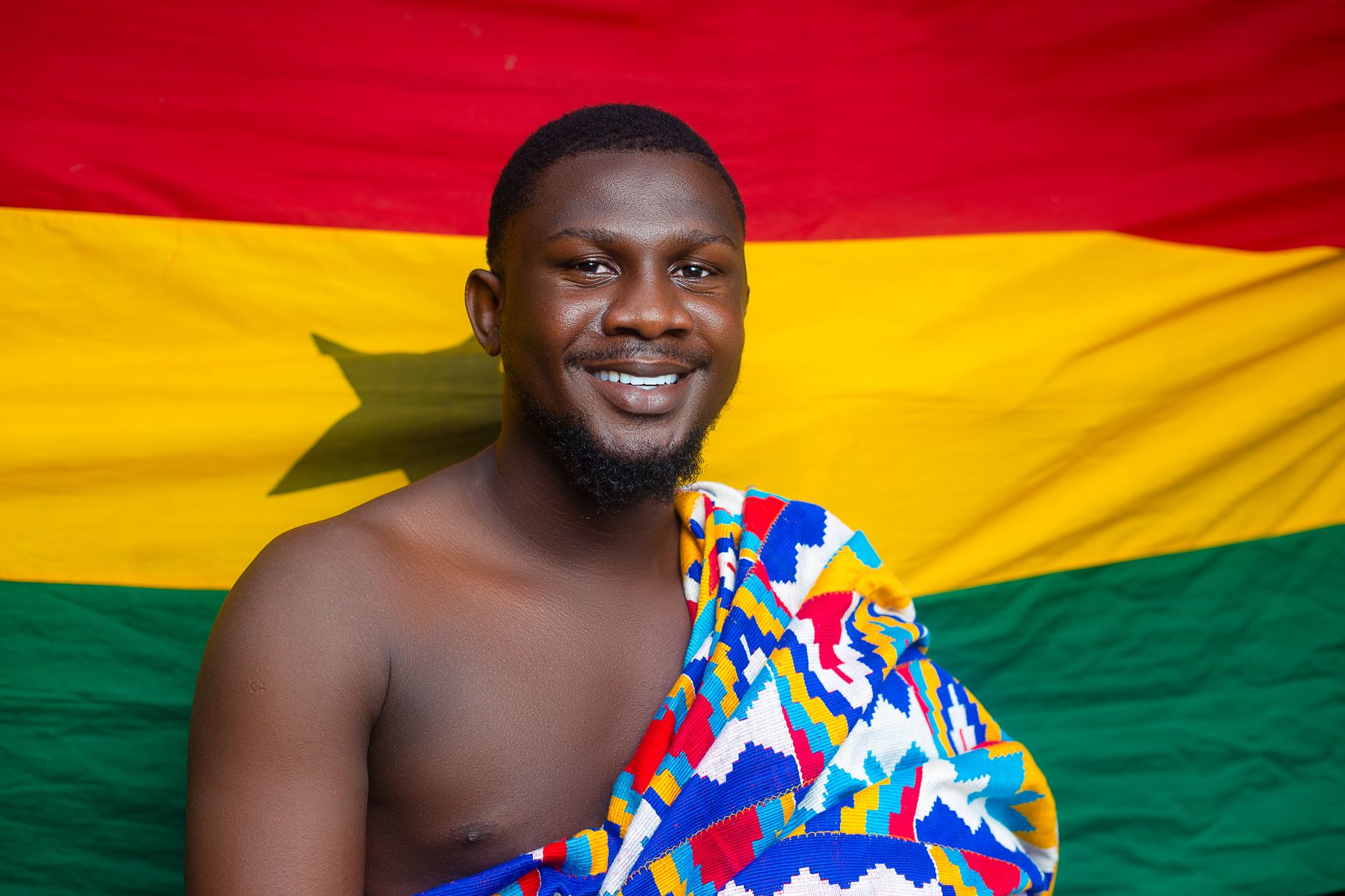
In a year when young Africans will make or break the future of their continent, Ghana's NPP party is grooming its youth wing for leadership roles. Who are these teenagers and college students driving the 2028 election? In Accra, they’re setting up digital hubs to engage with peers across the country.
Context

The trend towards youth-driven politics is no longer just an emerging phenomenon. In 2015, young voters were pivotal in ousting the ruling party and installing Nana Akufo-Addo as president. Now, with the next election looming large, Bawumia recognizes that youth engagement could be the key to reasserting power for the New Patriotic Party (NPP). This comes at a time when unemployment rates among young people in Ghana are hovering around 15%, fueling frustration and political aspirations.
Facts

Bawumia has made it clear that the youth will play a crucial role. He stated in an official press release: 'We must intensify our engagement with students and youth to ensure they are well-prepared for 2028 leadership roles.' This is part of a broader strategy where the NPP youth wing is being positioned as a critical component, not just for 2028 but potentially beyond. As one member put it: 'Our future depends on us.'
Human Impact
The stakes are high for young Ghanaians. Many see this as an opportunity to shape their nation's future. A 21-year-old engineering student, Adwoa, shared her experience: 'I joined the NPP youth wing because I want my voice heard and for my generation to have a say in how Ghana is run.' For others like her, political engagement means more than just voting; it’s about shaping policies that impact their lives. The economic implications are significant as well; if these young leaders succeed, they could drive job creation and policy changes.
Analysis

This strategy reflects the broader trend of youth politics in Africa. Young people are increasingly recognizing their political power, and parties like the NPP are adapting to this reality. However, there’s also concern that superficial engagement might not translate into meaningful representation. According to Dr. Akua Agyei, a political analyst, 'The challenge will be ensuring these young leaders have the skills and support needed to truly influence policy.' This could mean providing better training programs or access to mentorship from experienced politicians.
Counterpoints
Critics argue that this focus on youth is more about image than substance. Dr. Kwesi Appiah, from the opposition party, told me: 'While engaging young people is important, what’s really needed are policy solutions that address their real concerns like unemployment and corruption.' He advocates for a broader coalition of all stakeholders to ensure true representation. These differing views highlight the complexity of youth engagement in politics.
What Happens Next
The next steps will be crucial for both NPP and the broader political landscape in Ghana. The party is expected to launch more youth-driven initiatives leading up to 2028, potentially including mentorship programs and policy dialogues. But how successful these efforts are remains to be seen. As one young voter put it: 'If they just do this for show, we won’t buy into their vision.'
Takeaway
The single most important thing is that young Ghanaians are not just observers in this election; they’re active participants shaping their future. The real question to ask is: Who will listen and act on their demands?