

In a daring move, seven stowaways were found hiding in the rudder trunk of a Belgian oil tanker off Ghana's coast. They were arrested by the Ghana Navy just hours before the ship could cross into international waters. Imagine being so desperate for a ride that you would risk everything to hide in a space smaller than a car.
Context
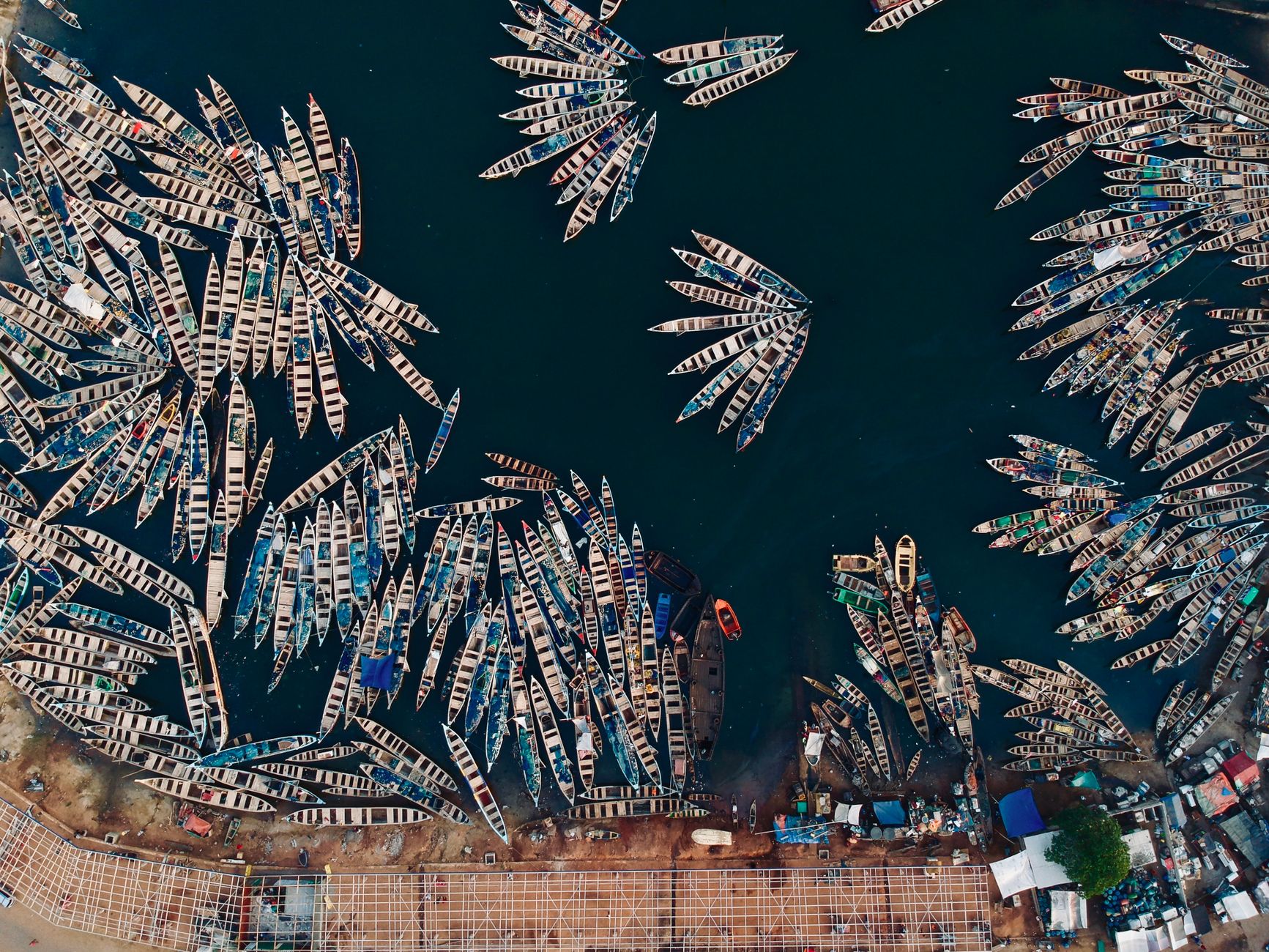
This incident reflects the growing challenge of illegal entry attempts in West African waters. The tanker was on its way to Tema, a port city that has seen an increase in smuggling and human trafficking activities over the past few years. In 2025, there were reports of heightened border security measures in Ghana as part of a regional initiative led by ECOWAS to combat illegal migration.
Facts

The seven suspected stowaways were believed to be Ivorian nationals but living in a nearby Ghanaian community. They had hidden themselves inside the vessel for days, relying on smugglers who facilitated their journey. The tanker, operated by BelOil, reported the presence of stowaways when it was 10 nautical miles off the coast of Tema. Navy personnel quickly responded to the request, ensuring that the ship's crew could safely continue its voyage.
Human Impact

For communities like Tema, such incidents underscore the broader issue of illegal entry attempts. Local residents often live in poverty and have limited opportunities for legal migration or employment. The stowaways' desperation highlights the economic disparities that drive people to take extreme risks. The Ghana Navy's efforts are part of a larger regional push to secure borders while addressing the root causes of human trafficking.
Analysis

This event highlights the intricate web of African security challenges. While regional cooperation is crucial, it often faces obstacles such as limited resources and differing priorities among member states. The incident also connects to broader issues like climate change, which exacerbates poverty and drives migration. In the long term, this underscores the need for comprehensive strategies that address both immediate security concerns and underlying socio-economic factors.
Counterpoints
However, critics argue that such operations can be seen as punitive rather than rehabilitative. They point out that many stowaways are victims themselves, often fleeing from poverty or conflict. Organizations like the African Union's Migration Agency (AUAM) have called for a more holistic approach to migration that includes social and economic development programs.
What Happens Next
The Ghana Navy will continue to monitor the situation, working in conjunction with other regional security forces. The immediate next steps involve thorough investigations and potential legal actions against those involved. Future policy decisions will likely focus on enhancing border controls while also addressing economic disparities that drive migration.
Takeaway
The key takeaway is that this incident highlights both the severity and complexity of migration challenges in West Africa. It underscores the need for a multifaceted approach that combines security measures with social and economic development programs.