
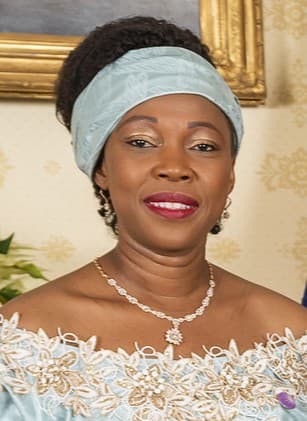
In Sierra Leone, a woman who escaped from an 'old pervert' became the First Lady and transformed her office into a global platform for women's rights. Can you believe it? In just six years, Fatima Maada Bio has gone from facing public ridicule to receiving prestigious awards like the Warrior Award.
Context
This transformation is part of a broader trend in Sierra Leone. The country ratified the African Union's Protocol on the Rights and Welfare of the Child in 2017, aiming to eliminate child marriage by 2030. However, despite these efforts, 59% of girls are still married before their 18th birthday according to UNICEF. Fatima Bio’s journey challenges traditional narratives and highlights the need for systemic change.
Facts

Fatima Bio’s story is a beacon of hope. She was forced into early marriage but escaped her abuser to complete her education. Her transformation began when she met President Maada Bio in 2014, and they were married the following year. Since then, Fatima has received numerous awards including the Warrior Award at the International Women of Power Luncheon in California. She transformed the Office of the First Lady into a powerful platform for advocacy and innovation.
Human Impact
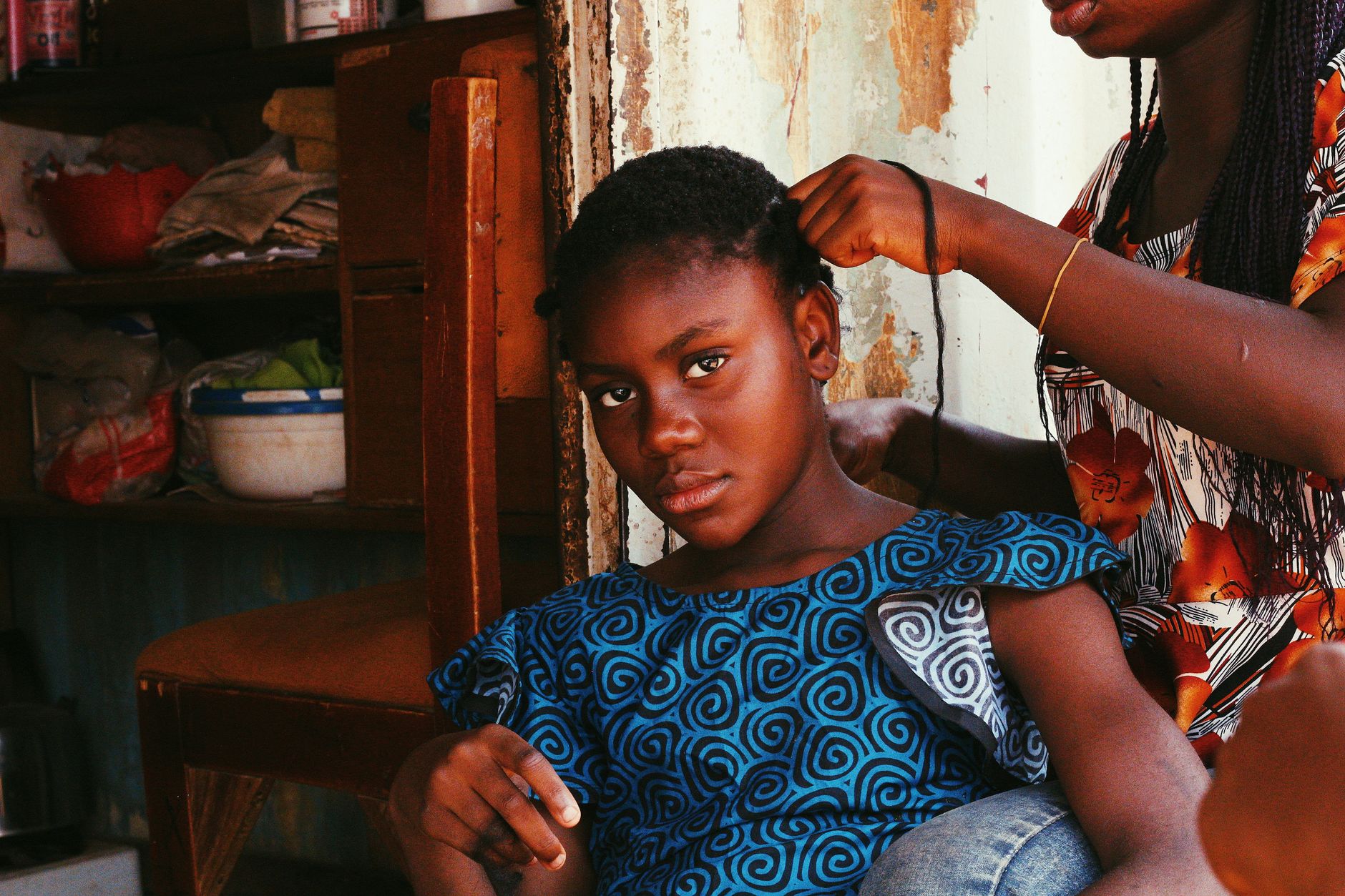
Fatima Bio has directly impacted thousands of women and girls in Sierra Leone. Her initiatives have led to increased awareness about the dangers of child marriage and encouraged more young people to pursue education. For instance, the number of reported cases of child marriage decreased by 30% in the last two years under her advocacy. This is a personal victory for Fatima but also a symbol of broader progress.
Analysis

Fatima Bio’s rise to power challenges traditional gender roles and has paved the way for other women leaders. Her success can be seen as a win for intra-African dynamics and global feminism. However, some critics argue that her position is still vulnerable and could face backlash if she continues to push for significant reforms. This story is part of a larger narrative about power and change in Africa.
Counterpoints

Critics argue that while Fatima Bio has made progress, systemic change is still needed. For example, some community leaders remain skeptical about the effectiveness of her programs due to limited resources and resistance within traditional structures. However, supporters like Malala Fund co-founder Rema Kailasani emphasize the importance of such high-profile advocates in driving policy changes.
What Happens Next
Looking ahead, Fatima Bio’s work will be closely watched. Key signals to watch include the upcoming review of the Child Marriage Law in 2027 and her role in international fora such as the African Union and United Nations. The success or failure of these initiatives could determine whether her impact is sustained.
Takeaway
Fatima Bio’s journey demonstrates the power of perseverance and advocacy in transforming lives. As she continues to lead, her story serves as a reminder of the critical role of women in driving social change.