
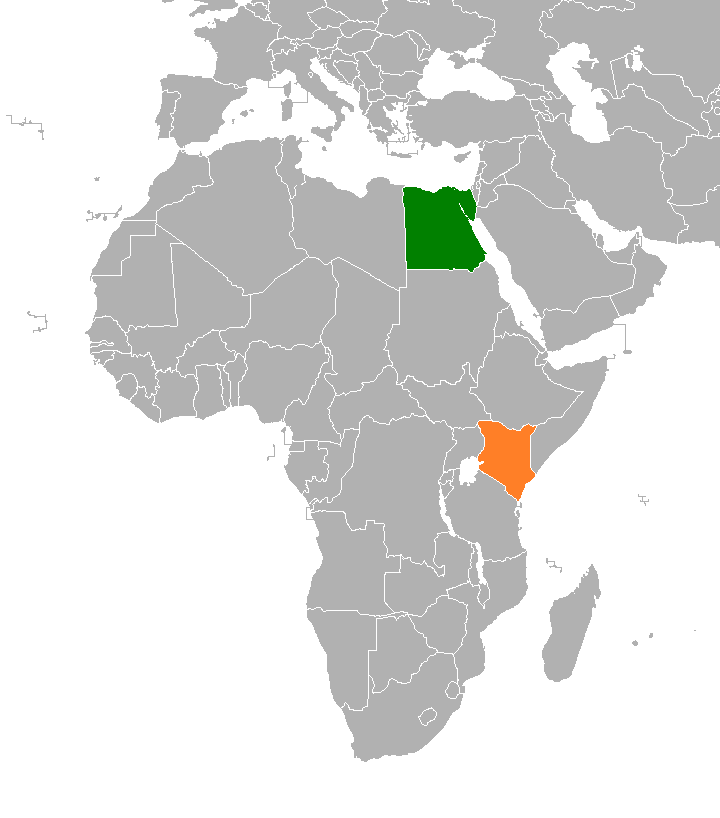
"In a surprise move, Egypt's navy is now training Kenyan soldiers in advanced ship handling techniques. Could this partnership spell the end for East Africa's piracy problem?"

Context

This development comes at a time when East African nations are increasingly concerned about rising piracy and maritime insecurity. The recent meeting between Egyptian and Kenyan naval commanders, held in Alexandria, marks a significant step towards regional cooperation. Egypt has long been positioning itself as a key player in African security, leveraging its strategic location to support stability efforts. This move reflects the broader trend of intra-African defense collaborations aimed at addressing shared security challenges.
Facts

The Egyptian Armed Forces have been actively expanding their military cooperation with friendly African nations. The recent meeting is part of Egypt's broader commitment to strengthening naval co-operation, particularly focusing on enhancing capabilities and industrial innovation. These initiatives are not just about military training but also include technological exchanges that can significantly boost the Kenyan navy’s efficiency.
Human Impact

For Kenya, this partnership could have profound implications. The training in advanced ship handling techniques is expected to improve the operational readiness of its navy. This will not only deter piracy but also enhance capabilities for search and rescue operations, making Kenya better equipped to protect its coastal communities and economic interests. For Egypt, this could be a way to solidify its influence in East Africa.
Analysis
This development could have significant implications for regional security dynamics. By building a robust naval presence, both nations can work together to monitor and control maritime activities, reducing the risk of piracy. This partnership aligns with Egypt's broader strategic goals in East Africa, which include enhancing its economic and military influence. However, some analysts argue that such cooperation could also be seen as a bid for regional dominance.
Counterpoints
Critics suggest that this partnership might undermine local security forces, leading to dependency. They argue that such external support could come with strings attached, potentially affecting Kenyan sovereignty. However, proponents believe that shared security interests will outweigh these concerns and lead to a more stable region.
What Happens Next
The next steps include setting up regular joint patrols and coordinating intelligence sharing. This could be followed by more in-depth cooperation in fields like cyber security and counter-terrorism. Key signals to watch will be policy decisions, market reactions, and diplomatic responses from other nations in the region.
Takeaway
The cooperation between Egypt and Kenya highlights the growing importance of intra-African security partnerships. It underscores how shared interests can drive regional stability, but also poses questions about sovereignty and external influence.