
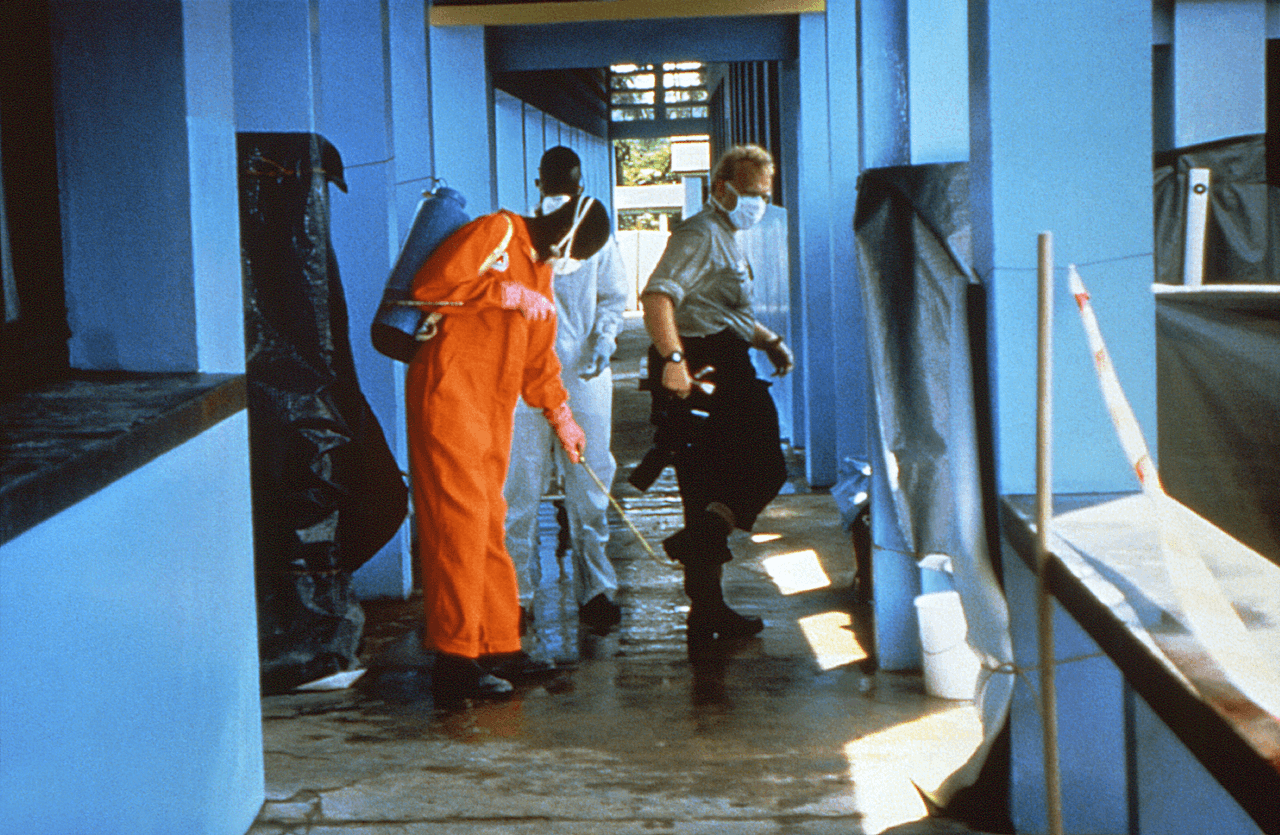
In the heart of eastern Congo, a rare Ebola strain is defying containment efforts. No vaccine exists, and conflict zones are breeding grounds for its spread. This outbreak has already claimed over 150 lives in just three months.
Context
The current Ebola outbreak is the latest chapter in a long history of disease outbreaks in eastern Congo. The region has been embroiled in conflict since 1996, which has hindered effective public health interventions. The World Health Organization first declared this Ebola strain a public health emergency on February 20, 2023. However, political instability and poor infrastructure have hampered response efforts.
Facts

According to the World Health Organization, this rare Ebola strain is causing the outbreak. It has spread from North Kivu into Uganda, creating a regional health crisis. The lack of an approved vaccine and the absence of a reliable treatment protocol make containment efforts incredibly challenging. On March 15, 2026, UNICEF reported that over 4 million people in the affected areas are at risk.
Human Impact
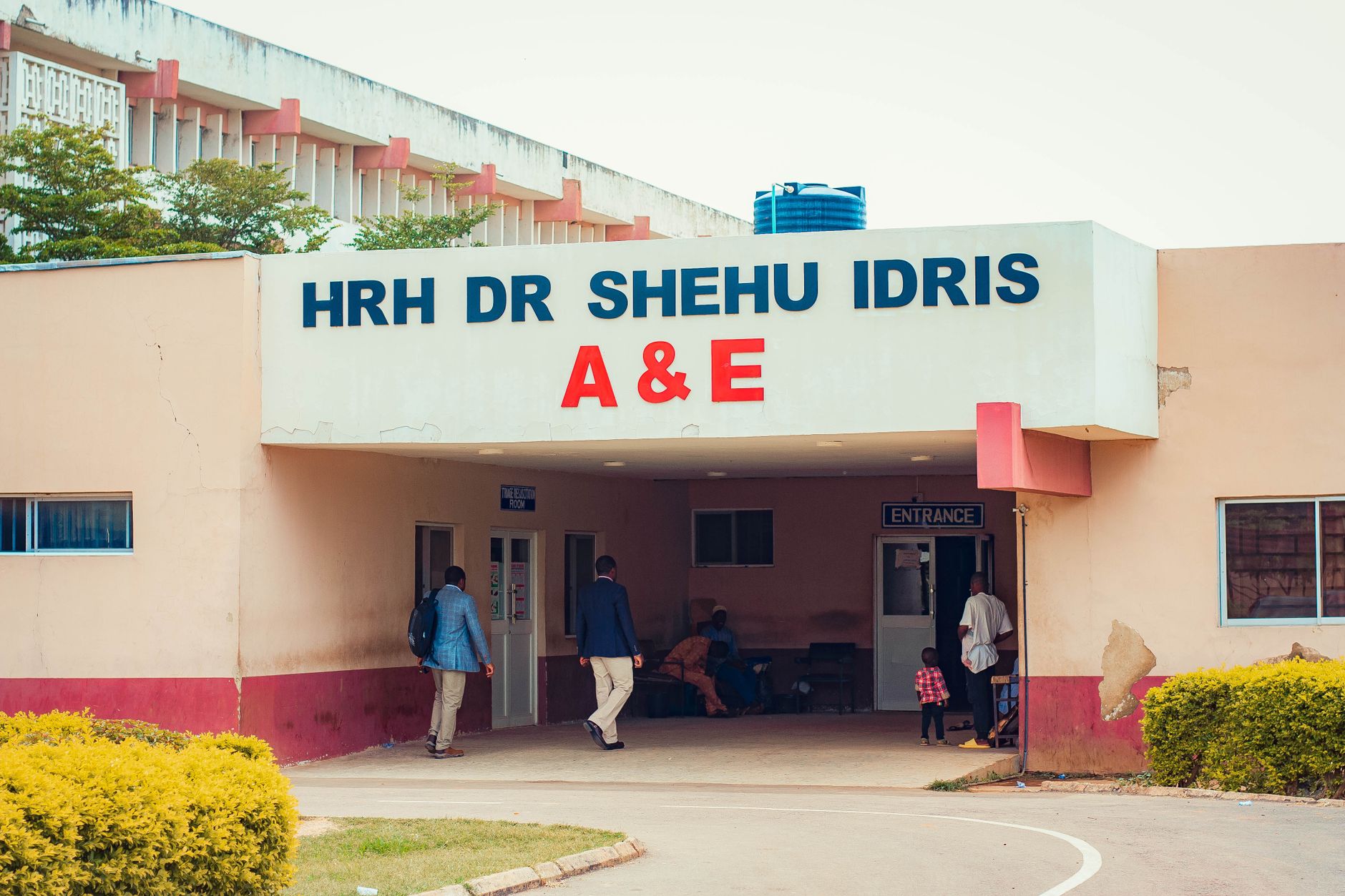
Communities living in conflict zones, like those in Beni and Butembo, are the hardest hit. Local healthcare facilities have been overwhelmed, and many residents are too afraid to seek medical care due to ongoing violence. Families are torn apart as they lose loved ones, and the economic impact is significant, with livelihoods lost and food prices soaring.
Analysis

This outbreak highlights the broader challenges facing African nations in responding to public health emergencies. The lack of infrastructure, political will, and international support exacerbate the crisis. If left unchecked, this strain could spread beyond eastern Congo into neighboring countries, posing a significant threat to regional stability and global health security.
Counterpoints
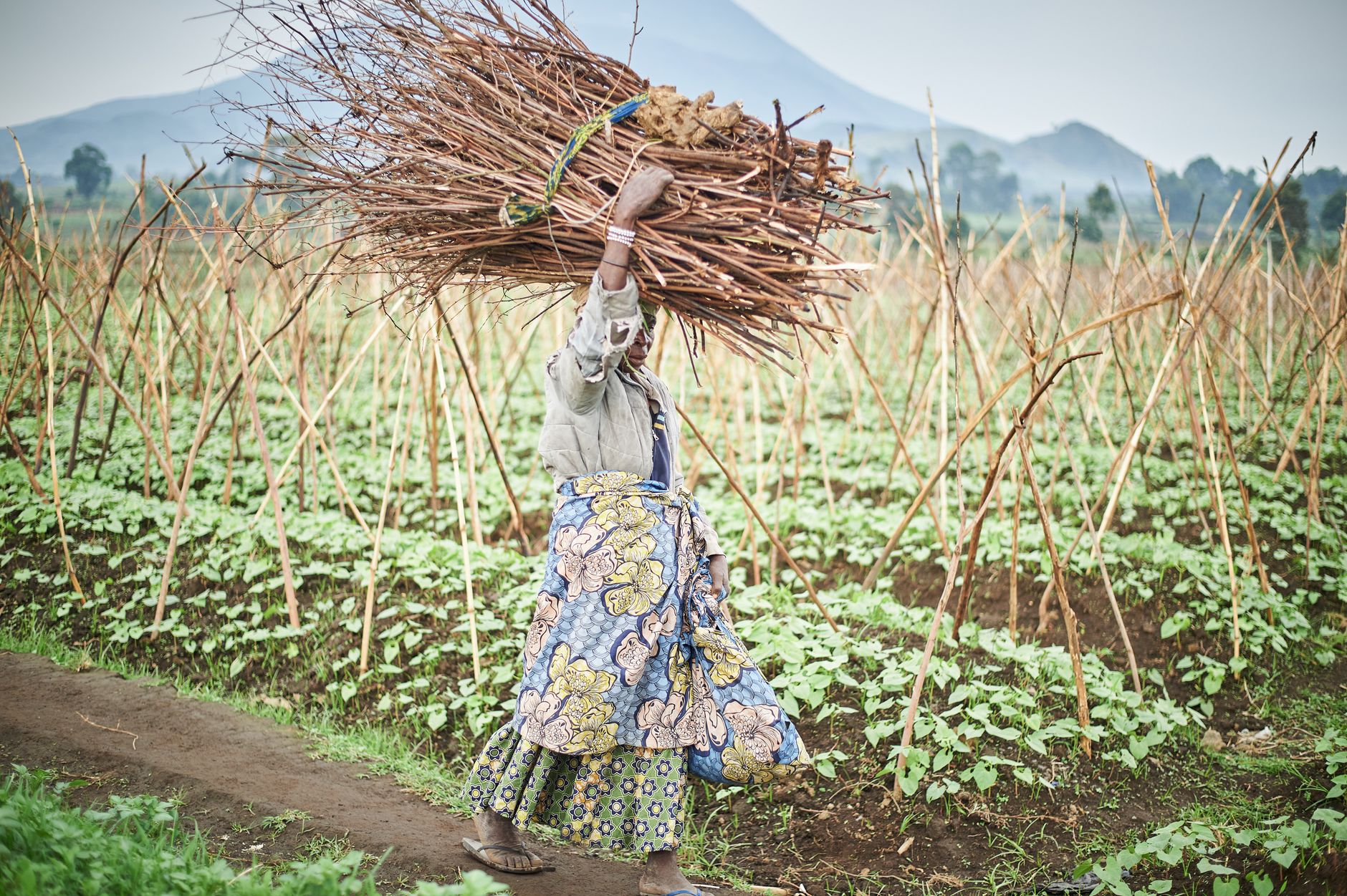
While public health experts are united in their concern, some officials from the DRC's Ministry of Health argue that international aid is not sufficient. They claim that local communities need more resources to manage the outbreak themselves. Meanwhile, the Ugandan government has called for increased border security measures to prevent further spread.
What Happens Next
The key signal to watch is the success of new containment efforts, such as those proposed by the International Organization for Migration (IOM) and the Red Cross. The next few months will determine whether this outbreak can be controlled before it escalates into a larger crisis. Local communities and healthcare workers remain on the front lines, fighting against all odds.
Takeaway
The takeaway is that this Ebola outbreak underscores the urgent need for improved public health infrastructure and international cooperation. Failure to address these challenges could lead to further suffering and economic disruption in eastern Congo and beyond.