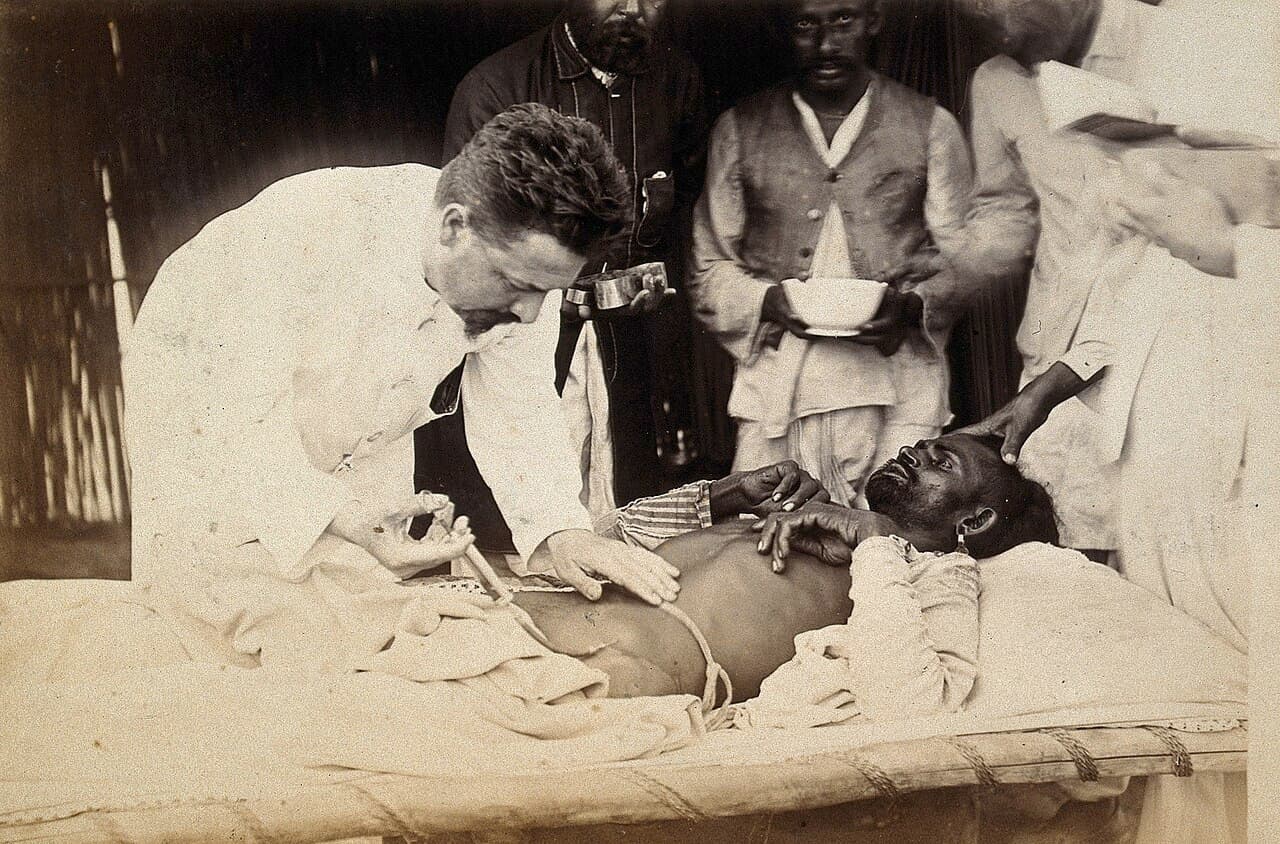
In the heart of Africa, a rare and deadly strain of Ebola is ravaging communities, with hundreds infected and no vaccines in sight - a grim reminder of our times.
Context

This Ebola outbreak in the Democratic Republic of Congo (DRC) is caused by the rare Bundibugyo strain, less common than other types of Ebola. The World Health Organization has declared it a Public Health Emergency of International Concern.
Facts
As of mid-May, hundreds of suspected cases and 80 fatalities have been reported in Ituri Province. Eight laboratory-confirmed infections highlight the severity of this outbreak.
Human Impact
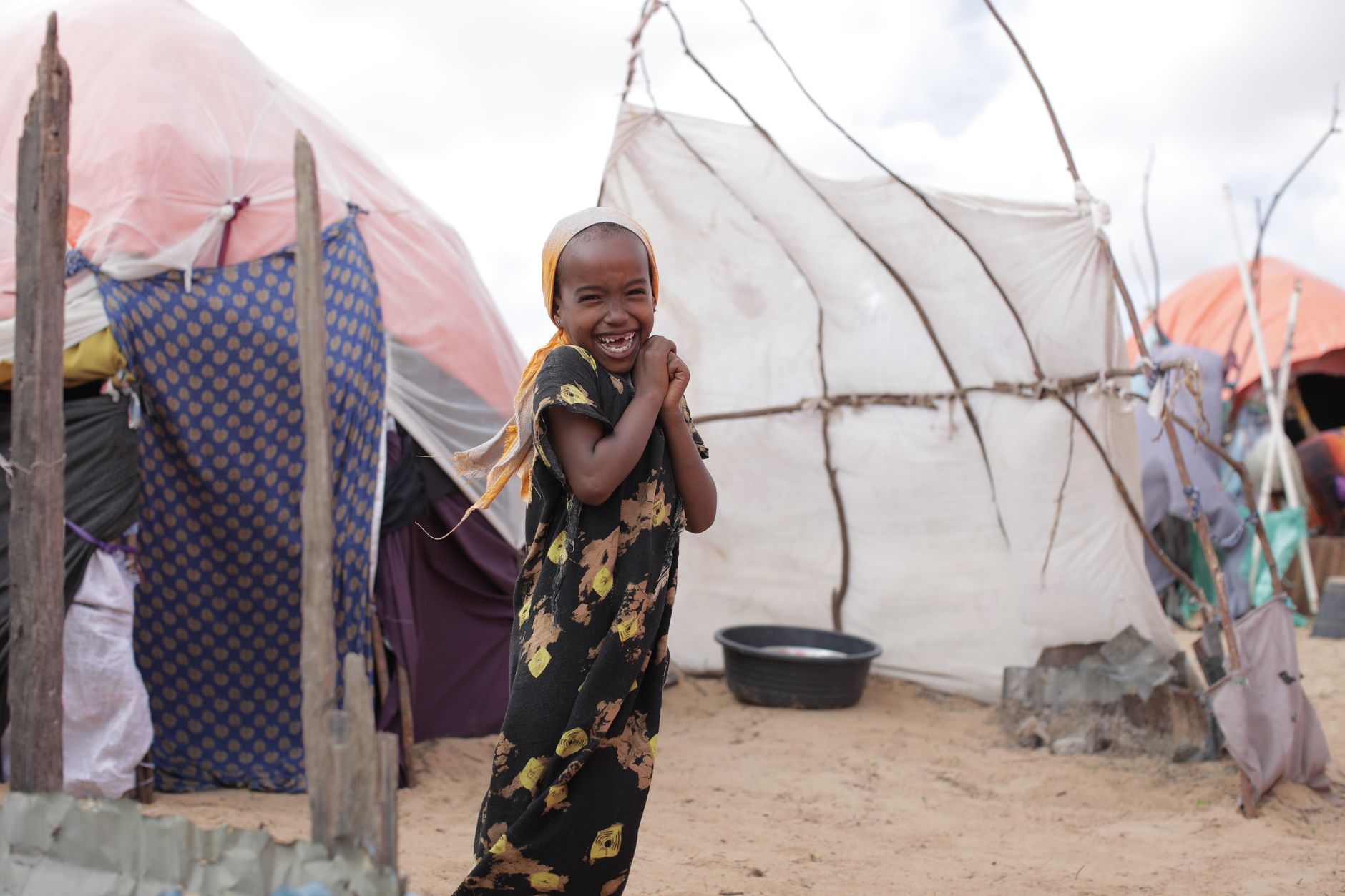
The communities hit hardest by this outbreak are already suffering from extreme poverty, conflict, and limited access to healthcare. Many have lost loved ones and are left fearful for their futures.
Analysis

The lack of vaccines raises significant questions about global preparedness and resources. This outbreak connects to larger issues of healthcare access, funding for research, and international cooperation.
Counterpoints
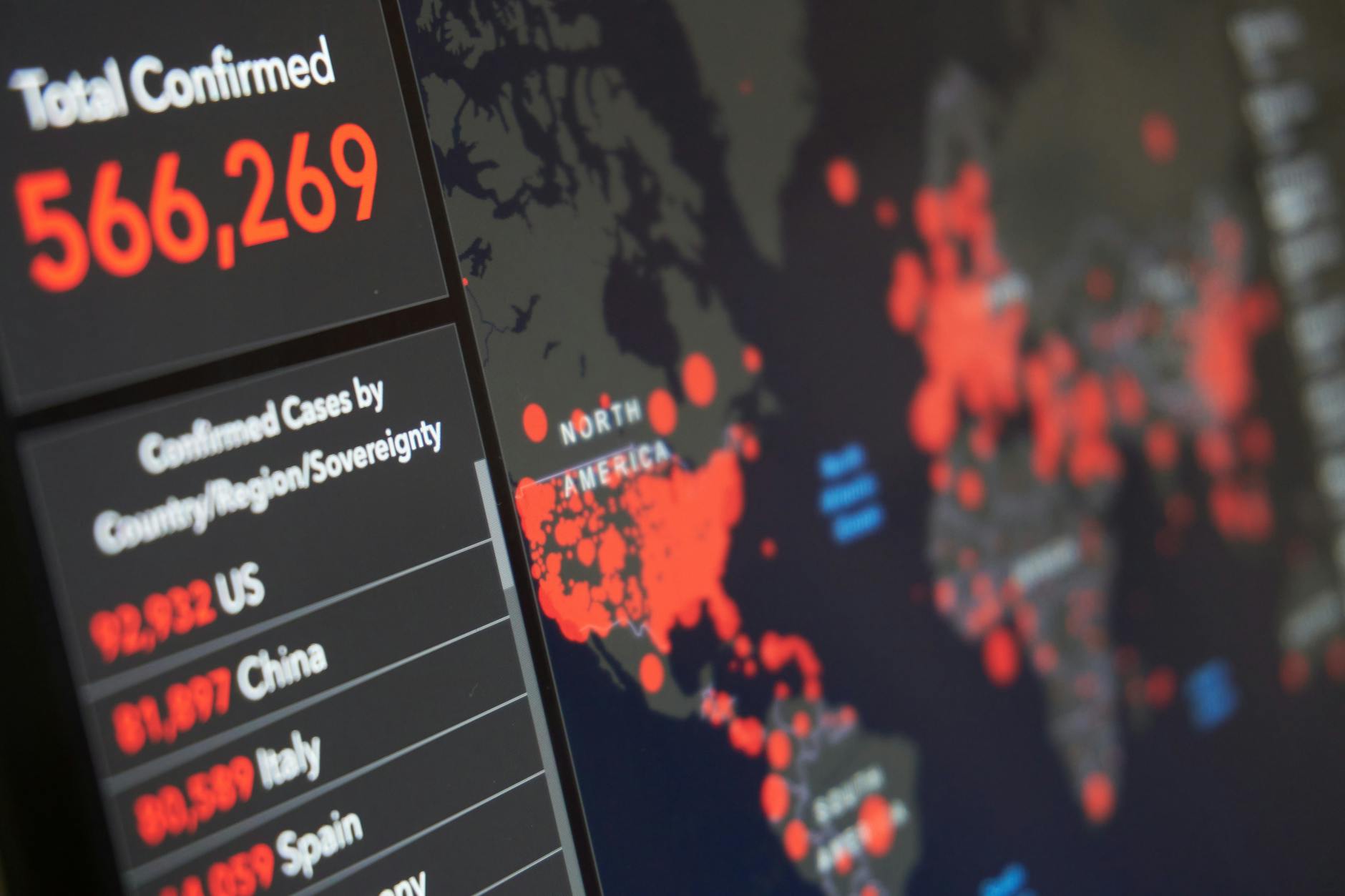
Some question whether this outbreak warrants a Public Health Emergency of International Concern given other pressing global crises. Critics argue resources should be prioritized differently.
What Happens Next
The next few weeks will be critical as officials race to contain the spread. Key signals to watch include policy decisions on resource allocation and diplomatic responses from neighboring countries.
Takeaway
This Ebola outbreak in the DRC highlights our collective vulnerability to emerging diseases and the disparities in global healthcare. It's a stark reminder of what happens when we fail to prepare for pandemics.