
Imagine this: In the heart of Central Africa, a deadly Ebola outbreak has just been declared a 'Public Health Emergency of International Concern,' and it's closer to your continent than you think. Could your next trip put you at risk? In 2026, the Democratic Republic of Congo (DRC) is battling its worst Ebola epidemic yet, with over 1,500 cases reported in just two years.
Context

This is not a new development. The World Health Organization (WHO) has been tracking Ebola outbreaks for decades, most notably in West Africa during 2014-2016 when it claimed over 11,300 lives. But this time, the DRC's latest outbreak, first reported in February 2025, has spread beyond its borders, prompting a global response. The declaration came on May 18th, 2026, after months of escalating cases and deaths across several provinces.
Facts
According to the WHO, as of May 18th, 2026, over 1,500 cases have been confirmed with a fatality rate of approximately 70%. The primary strain is Zaire Ebolavirus, which is known for its high mortality. Health workers in the affected regions are reporting a significant shortage of vaccines and medical supplies. Meanwhile, international aid has been slow to respond due to logistical challenges and funding gaps.
Human Impact
The impact on local communities is devastating. Families are left without breadwinners, and children have been forced to drop out of school due to the crisis. Health systems are overburdened, leading to a rise in other diseases. For example, in the town of Mabalansangi, 80% of the population has lost at least one family member to the disease. The socio-economic consequences extend beyond individual families, affecting entire communities and potentially the region's stability.
Analysis
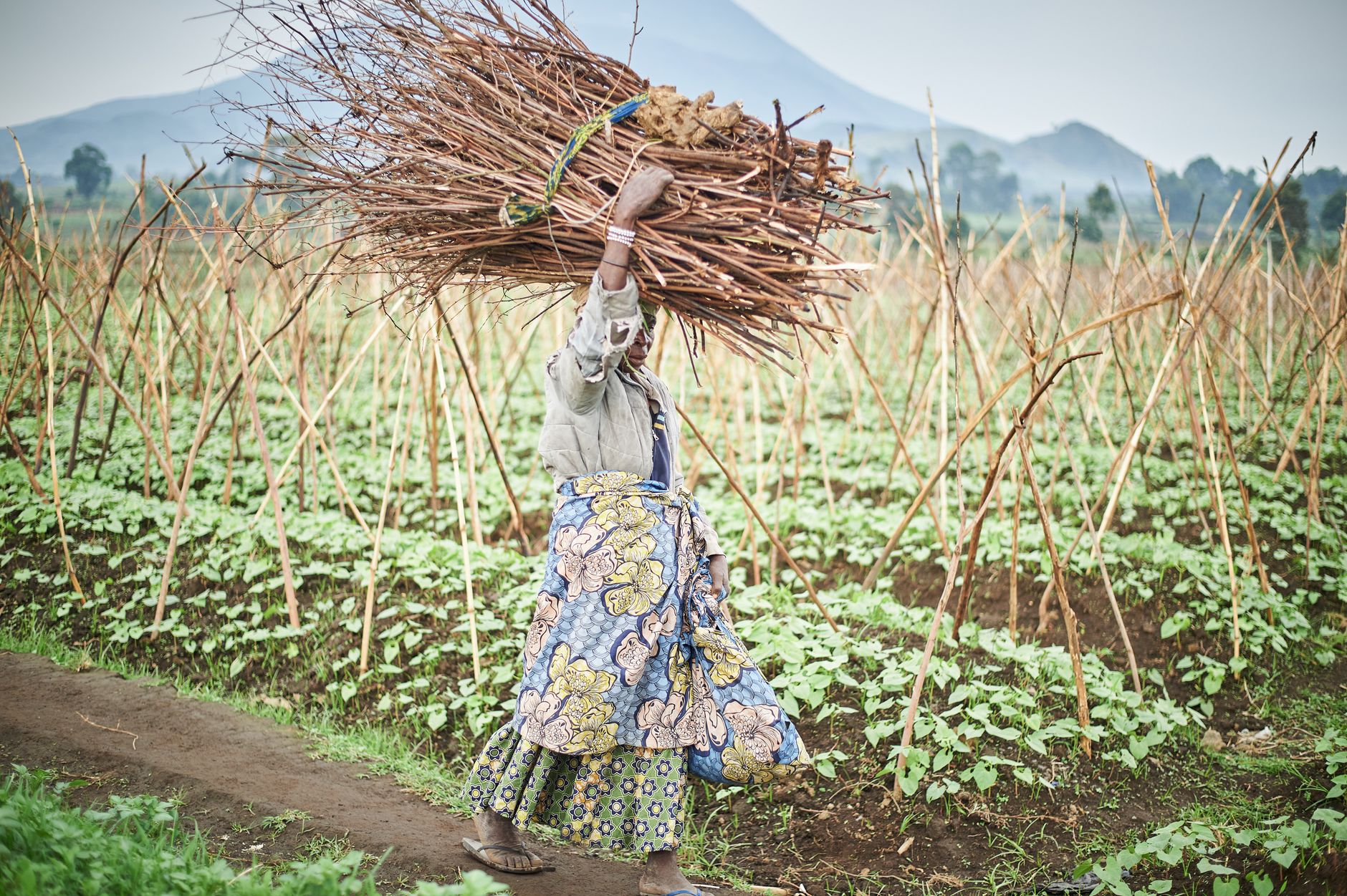
Economically, this could have severe repercussions. The DRC is heavily reliant on mining and agriculture, both of which are likely to be disrupted by the health crisis. Politically, the unrest caused by the outbreak could exacerbate existing conflicts in the region. Moreover, the declaration as a 'Public Health Emergency of International Concern' means that countries must share data, coordinate responses, and potentially allocate resources away from other critical issues. This is particularly challenging given ongoing tensions between African nations and Western aid organizations.
Counterpoints

Not all experts see this as a dire situation. Some argue that the declaration is unnecessary and could undermine local governance efforts. For instance, Dr. Jean-Pierre Mbinda of the DRC Ministry of Health, while acknowledging the severity, believes that local measures can handle the outbreak effectively with international support. However, his claims are countered by reports of government corruption and mismanagement of funds allocated to health initiatives.
What Happens Next
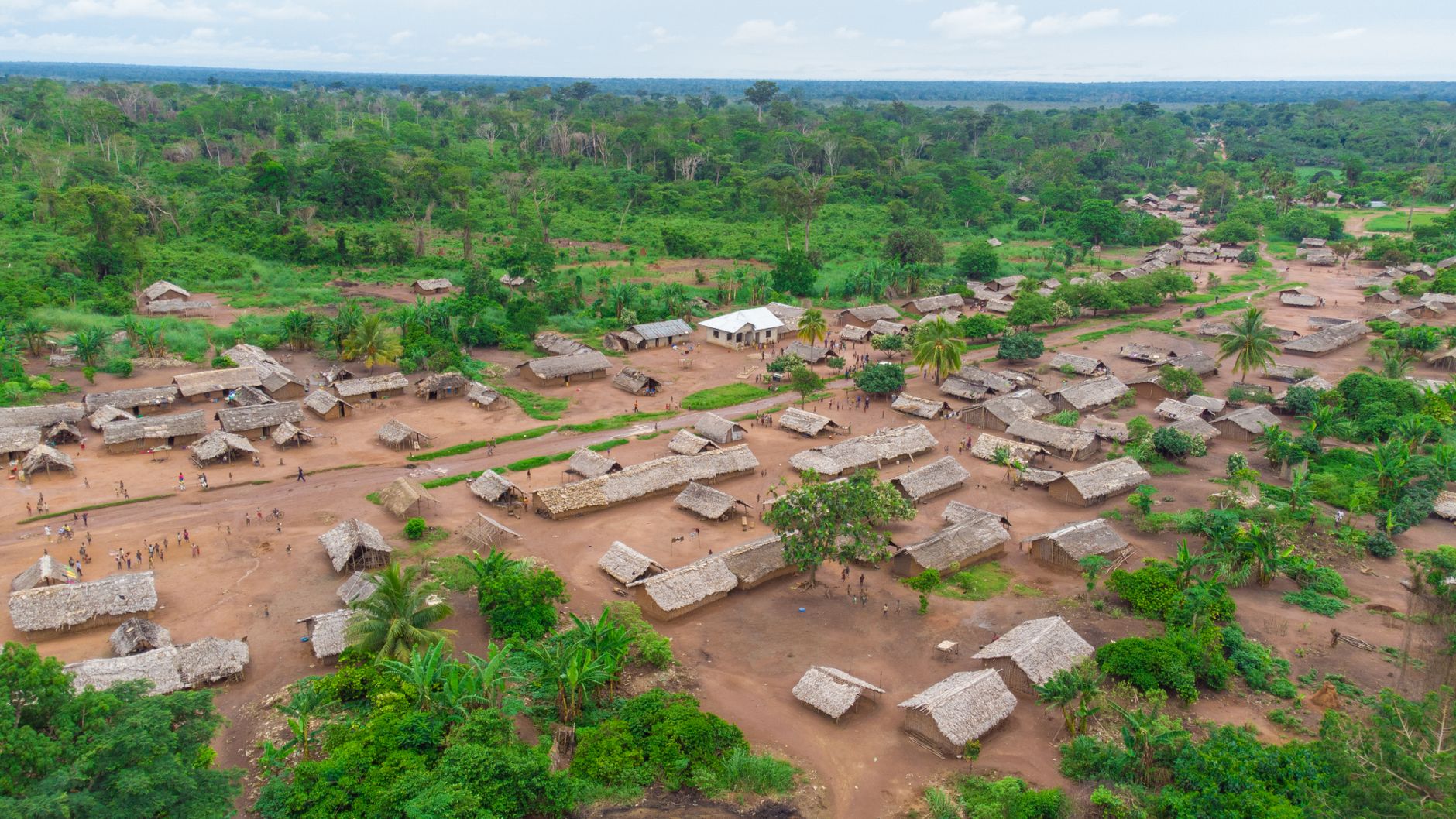
Looking ahead, the next few months will be crucial. The DRC government and international partners must coordinate to ensure a rapid deployment of resources. Key signals to watch include the pace of vaccine distribution, the effectiveness of community engagement strategies, and the extent of regional cooperation. If left unaddressed, this could become one of the most significant health crises in decades, impacting not only Africa but global public health security.
Takeaway
In conclusion, the declaration of this Ebola outbreak as a 'Public Health Emergency of International Concern' underscores the interconnectedness of global health. It is imperative that all stakeholders, especially African institutions and nations, work collaboratively to prevent further spread and mitigate the humanitarian impact.