

In Aweil, South Sudan, a staggering 167 community feedback entries revealed deep-seated concerns about aid distribution and safety. How are aid agencies responding to these critical needs?
Context
The situation in Aweil is part of South Sudan’s long-standing humanitarian crisis, exacerbated by ongoing conflict and seasonal rains. Since 2013, over 4 million people have been displaced, with hundreds of thousands seeking refuge in camps like Aweil. The United Nations High Commissioner for Refugees (UNHCR) and World Food Programme (WFP) have been working to provide assistance, but feedback from the community reveals significant gaps. In October 2025, a report by Humanitarian Feedback Bulletin highlighted that only half of reported aid was actually distributed on time.
Facts

Between October 13 - 26, 2025, a total of 167 community feedback entries were collected across Aweil’s host communities. The feedback detailed issues such as delayed aid delivery and inadequate food rations. One community leader, Jane Mekwe, reported that her family only received one meal per day despite consistent requests for assistance. 'We are struggling to survive,' she said. WFP data confirms a 25% increase in unmet needs this quarter.
Human Impact

The human impact is dire. Malnutrition rates have surged, and access to clean water remains a significant challenge. According to UNICEF, 40% of children in Aweil suffer from acute malnutrition. Local health facilities are overwhelmed; Médecins Sans Frontières (MSF) reports a 30% increase in child mortality since the last quarter. The community’s resilience is tested as they face daily hardships.
Analysis

This crisis highlights systemic failures in aid distribution. According to a WFP internal audit, logistical bottlenecks and corruption are major contributors to delays. The South Sudanese government has been criticized for its inability to provide effective oversight. Regional dynamics also play a role; neighboring countries like Ethiopia have stepped up assistance but struggle with their own humanitarian challenges.
Counterpoints
However, the government of South Sudan maintains that efforts are underway to improve aid distribution. In a statement released on April 15, the Ministry of Humanitarian Affairs claimed significant progress in logistics and coordination with international partners. Critics argue that such statements ignore ongoing realities on the ground.
What Happens Next
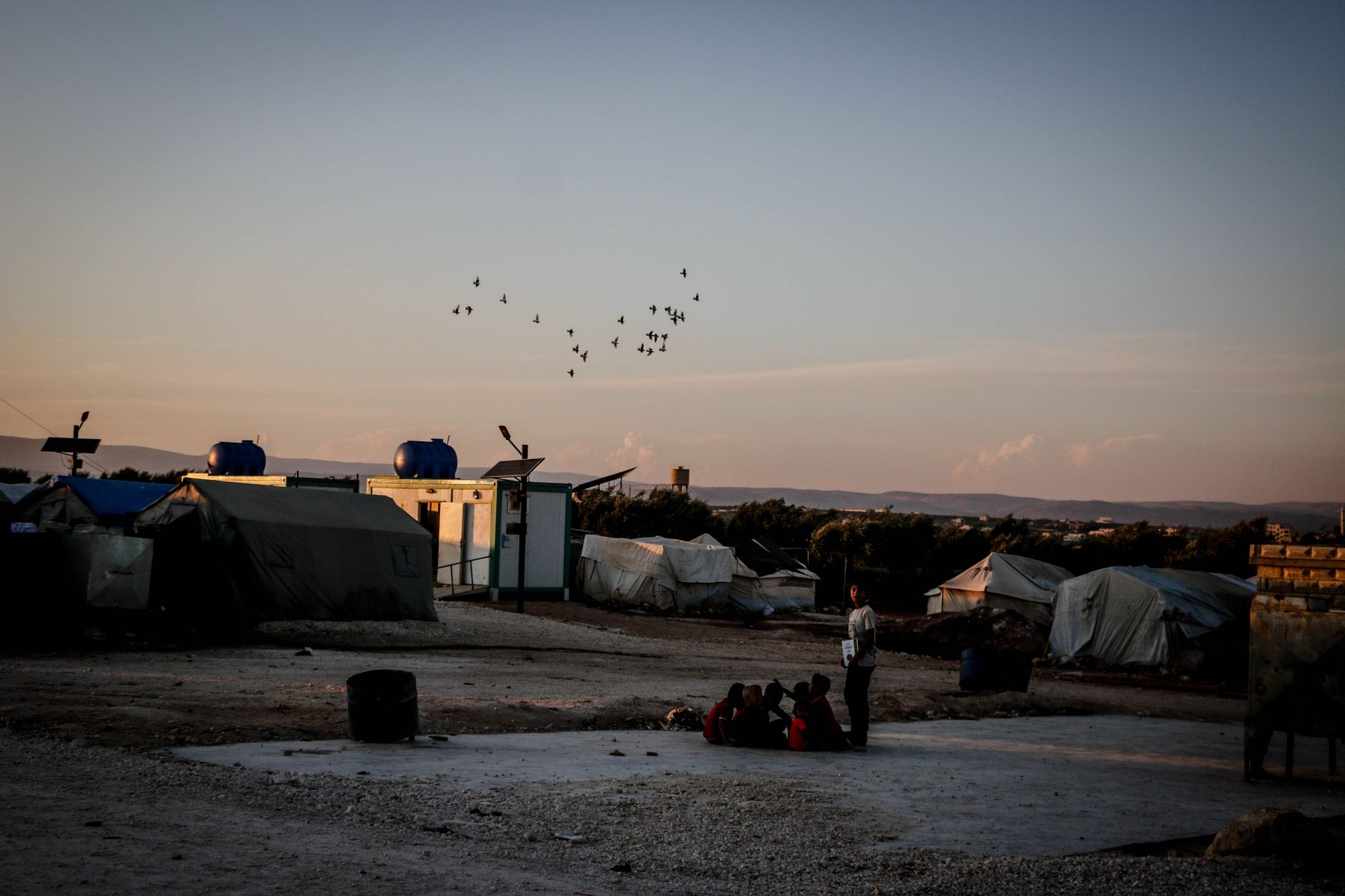
The next steps are crucial. The UNHCR is expected to convene an emergency meeting in June to address these issues. Local communities will be closely monitoring the outcomes, hoping for tangible improvements. Policy decisions and market reactions will provide key signals of whether aid distribution can improve.
Takeaway
The single most important takeaway is that community feedback mechanisms are vital tools for ensuring accountability. Until these systems work, the crisis in Aweil and South Sudan will continue to deepen.