
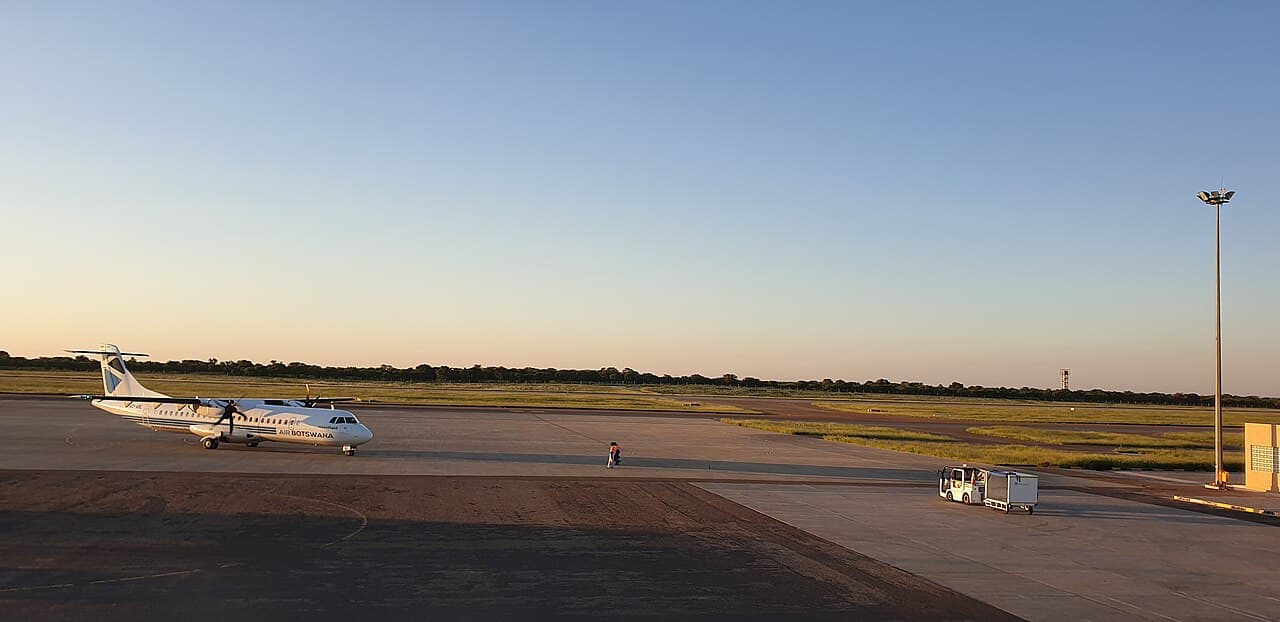
Imagine an airline that was handed half a billion pula in taxpayer money but only flies with three planes. How can we explain this paradox? This week, Air Botswana announced it has just six aircraft, but only three are operational due to engine problems and non-payment issues.
Context
This financial crisis at Air Botswana is not an isolated incident. Since December 2021, the government has provided more than half a billion pula to keep the airline afloat amidst mounting debts and operational inefficiencies. Despite this unprecedented support, Air Botswana continues to struggle with grounded aircraft and pilot shortages. This situation highlights broader issues of poor governance and financial mismanagement within state-owned enterprises.
Facts
Air Botswana received government support totaling $537 million between December 2021 and December 2025. The airline has six aircraft, but only three are currently operational due to engine problems and non-payment issues with engine repairs. Air Botswana halted its Gaborone-Windhoek flight route due to financial losses and pilot shortages, affecting thousands of passengers and businesses dependent on this crucial link.
Human Impact
The economic impact is felt by thousands of travelers and businesses. The Gaborone-Windhoek route, a lifeline for many, has been suspended, leaving communities in limbo. Passengers are forced to find alternative travel arrangements or cancel their trips altogether, while local businesses struggle with lost revenue due to reduced passenger traffic.
Analysis
This crisis underscores broader issues of governance and accountability in state-owned enterprises. Poor financial management has led to operational inefficiencies, while reliance on government bailouts perpetuates a cycle of dependency rather than reform. This situation highlights the need for stringent oversight mechanisms to ensure that taxpayer funds are used effectively.
Counterpoints
However, some argue that government support is necessary to maintain national connectivity. Air Botswana's board and management claim they are working towards a turnaround plan, but critics point out the need for more transparent financial oversight. The current situation could be seen as a test case for how state resources should be managed in the public interest.
What Happens Next
Looking ahead, key signals to watch include government policy decisions on Air Botswana's future, market reactions from investors, and legal processes surrounding the airline's financial affairs. The next few months will be crucial in determining whether this situation leads to significant reforms or further deterioration of public services.
Takeaway
The single most important thing a reader should carry away is the need for transparent and accountable governance in state-owned enterprises. How this issue resolves will have far-reaching implications for public trust in government institutions.