
In Renk, South Sudan, aid agencies are facing a unique challenge: 70% of returnees and refugees report feeling unheard. Are these voices truly being heard? In just the past month, nearly 15,000 people have flooded into Renk from Sudan, straining local resources and complicating humanitarian efforts.
Context
The situation in Renk is emblematic of broader challenges faced by South Sudan. Since the conflict with Sudan resumed in December 2025, over 370,000 people have fled to areas like Renk, seeking safety and aid. This influx is concentrated at formal border crossings where multiple humanitarian organizations are present. However, despite this influx, a significant number of returnees feel that their needs are not being adequately met.
Facts
According to the Humanitarian Feedback Bulletin, 70% of returnees report feeling unheard. Concern and partners have implemented an extensive mechanism for two-way communication. However, this system is often criticized as ineffective in practice. For instance, a UN official stated that while there are channels for feedback, they are not widely utilized due to mistrust among the local population.
Human Impact
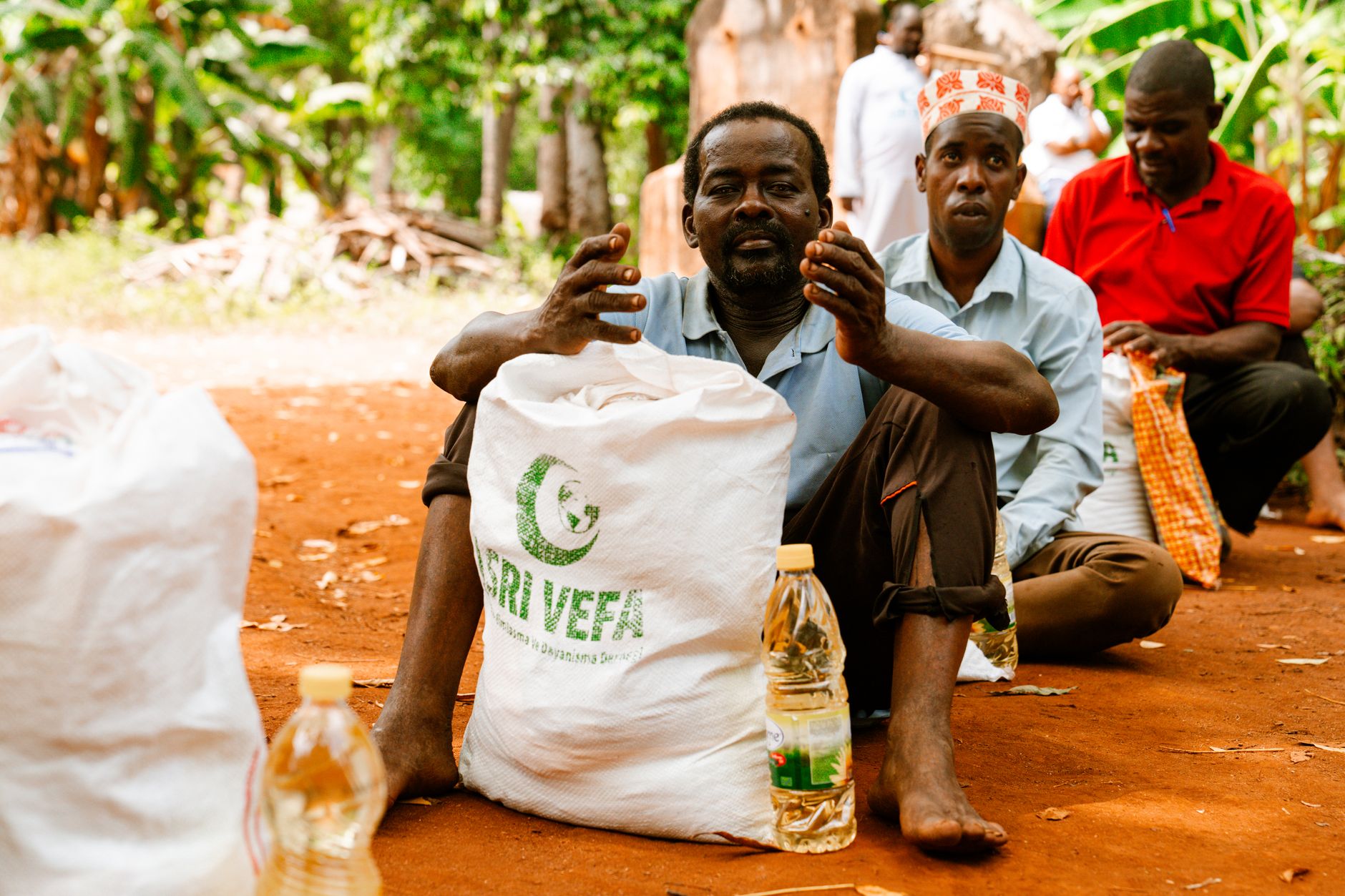
This situation has profound economic, health, and political consequences. The World Food Programme reports that malnutrition rates have spiked among returnees due to the lack of proper food distribution. Moreover, local leaders in Renk worry about rising tensions as aid is perceived as insufficient or biased towards certain groups.
Analysis

This crisis highlights the systemic challenges faced by aid organizations in South Sudan. The 'Strengthening Accountability to Affected Populations' programme aims to bridge this gap, but its success is questionable given historical mistrust between aid workers and local communities. Analysts at African Development Institute note that unless there are significant changes, this issue could undermine the effectiveness of humanitarian efforts across the region.
Counterpoints
However, some argue that the situation is not as dire. The head of UNHCR in South Sudan counters that efforts are improving and points to specific instances where feedback has led to tangible changes. Yet, his views face skepticism from community leaders who feel their voices continue to be ignored.
What Happens Next

Moving forward, key signals to watch include upcoming policy decisions on aid distribution mechanisms and potential shifts in funding priorities. Local elections scheduled for June 2026 may also influence the dynamics of aid delivery. As the situation evolves, it will be crucial to monitor how these changes impact local perceptions and overall humanitarian outcomes.
Takeaway
The single most important thing a reader should carry away is the urgent need for improved accountability mechanisms in humanitarian aid. This issue extends beyond Renk, affecting millions across South Sudan. As we look to the future, it will be essential to ensure that all voices are heard and valued.