
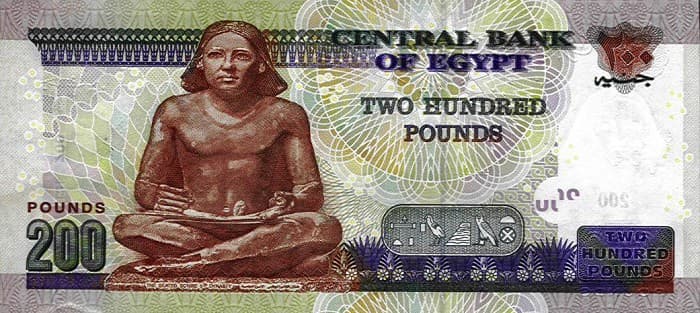
The Egyptian pound's stabilization against the US dollar on Sunday's close of business marks a significant development in Egypt's economic landscape. This move follows the ongoing economic reforms initiated by the Egyptian government, aimed at bolstering the country's economy.

Context

To understand the significance of this recent development, it is essential to consider Egypt's long-standing economic challenges. The country has been grappling with high inflation rates, a large budget deficit, and limited foreign currency reserves for years. In 2016, the Egyptian government embarked on a bold economic reform program in partnership with the International Monetary Fund (IMF). This program aimed to address these issues by implementing measures such as reducing subsidies, cutting energy consumption, and increasing tax revenues.
Facts

The key facts surrounding this stabilization are that on Sunday's close of business, the Egyptian pound experienced a notable stabilization against the US dollar. This comes after years of economic challenges, including high inflation rates, a large budget deficit, and limited foreign currency reserves. In 2016, Egypt initiated an economic reform program in partnership with the IMF to address these issues.
Human Impact

The stabilization of the Egyptian pound against the US dollar has far-reaching implications for the Egyptian economy and its citizens. With millions relying on remittances from Egyptians working abroad, a stable currency can provide much-needed financial security. Additionally, businesses may be encouraged to invest more in Egypt due to the potential economic growth. However, this must be balanced with the fact that many Egyptians face daily struggles, and not all will directly benefit from this stabilization.
Analysis
The stabilization of the Egyptian pound against the US dollar is a positive sign, indicating progress in Egypt's economic reforms. However, this should not be viewed as the end goal but rather a milestone on the path to long-term stability and growth. The reform program initiated in 2016 has laid the groundwork for these developments. Key measures such as reducing subsidies, cutting energy consumption, and increasing tax revenues have helped address some of Egypt's economic challenges.
Counterpoints
While many economists and analysts view the stabilization of the Egyptian pound as a positive development, there are those who caution against over-optimism. Critics argue that this is just one milestone in Egypt's long journey to economic recovery. They point out that the benefits of currency stabilization may not be evenly distributed across society, with many Egyptians continuing to face daily struggles.
What Happens Next
Looking ahead, the Egyptian economy is expected to continue its recovery process. The government's focus on attracting foreign investment and boosting tourism will be crucial in driving growth. Additionally, efforts to diversify the economy away from heavy reliance on oil and gas revenues will be vital for long-term stability. Key signals to watch include the progress of further economic reforms, the state of the labor market, and the overall global economic climate.
Takeaway
The stabilization of the Egyptian pound against the US dollar is a significant milestone in Egypt's economic reform journey. However, it should not be viewed as the end goal but rather a sign that progress is being made. The government's continued focus on attracting foreign investment, boosting tourism, and diversifying the economy will be crucial for long-term stability and growth.