
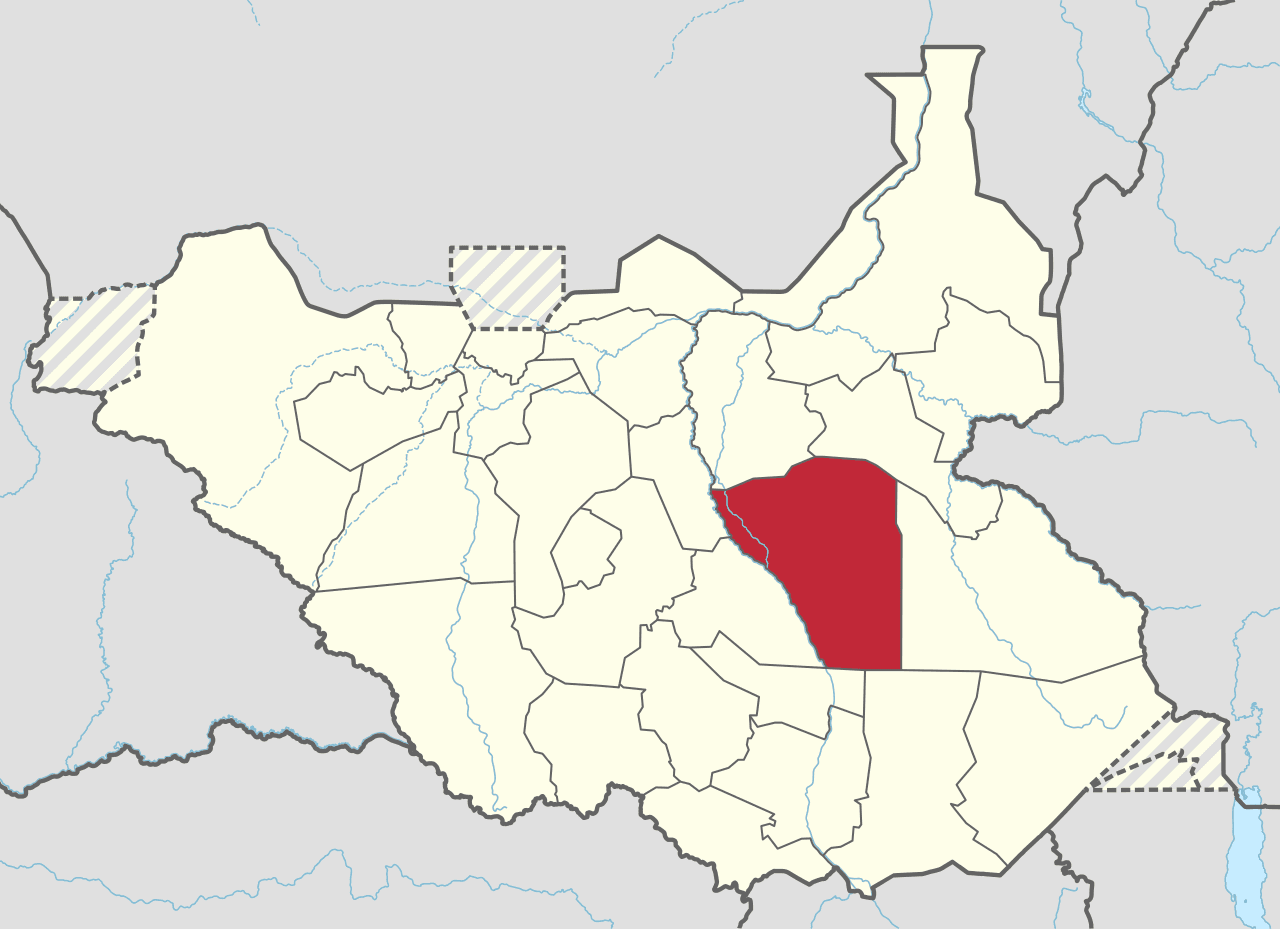
In South Sudan, civilians were not just fleeing gunfire in 2026—both government and opposition forces were reported to be ordering people out and blocking aid behind them.
Context

The Jonglei crisis escalated late last year, triggering a national conflict that's seen South Sudan gripped by repeated displacement. This is no mere local conflict—it's become a defining feature of the nation's fragile stability.
Facts
Since late December, Jonglei has been the epicentre of a displacement crisis, accounting for the majority of recorded movements. The humanitarian situation remains dire as violence and access constraints persist.
Human Impact
For families caught between the SSPDF and SPLA-IO, survival has become a daily struggle. Many have been displaced multiple times across South Sudan—Upper Nile, Jonglei, Central Equatoria, Western Equatoria, and Western Bahr el Ghazal.
Analysis
The forced displacement and blocked aid mark a disturbing escalation. Both sides are deepening the humanitarian crisis—while keeping civilians and aid workers trapped between them. This is not just about power—it's about who can weather this storm, and who will fall.
Counterpoints
The government insists it's fighting to protect citizens. Opposition leaders say they're safeguarding communities against government atrocities. Both sides claim the other is blocking aid and forcing displacement.
What Happens Next
Unless this deadly cycle is broken, South Sudan's crisis will only deepen. Key will be the UN response, and whether regional powers can broker a ceasefire that allows aid through.
Takeaway
The crisis in South Sudan isn't just about Jonglei. It's about a nation trapped between its own warring factions—and the civilians caught in the middle, forced to flee yet again.