Three of Morocco’s 2022 World Cup heroes — the spine of their historic semi-final run — didn’t make the 2026 squad. For a team that turned Doha into a continental milestone, the omission of familiar names is more than selection drama; it is a quiet handover of power, from the generation that stunned the world to the one now expected to carry the burden in North America.
Context
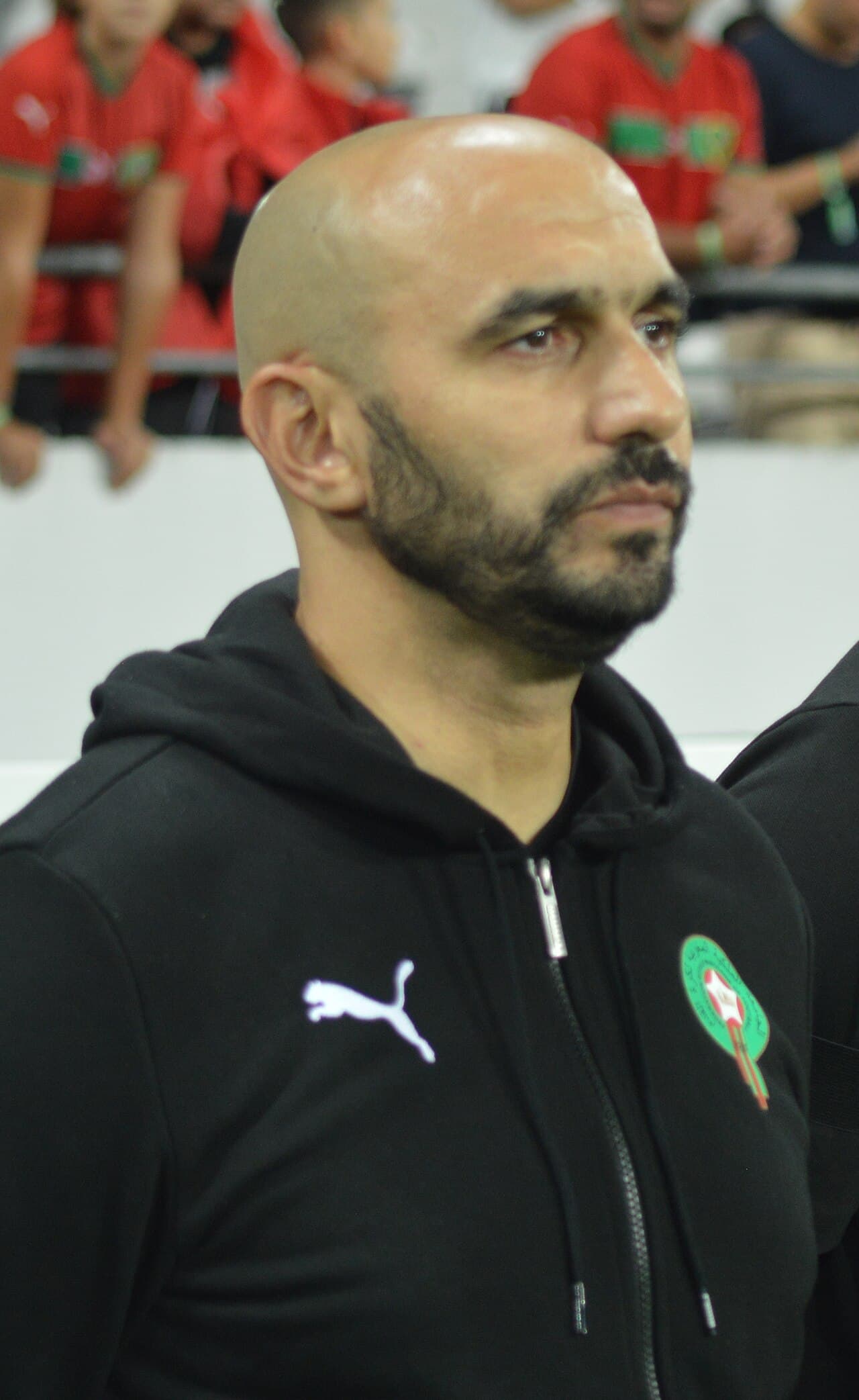
This is happening now because Morocco’s football project has entered a new phase. After the Atlas Lions became the first African and Arab team to reach a World Cup semi-final in Qatar in December 2022, the Royal Moroccan Football Federation — under president Fouzi Lekjaa — doubled down on depth, discipline and long-term planning rather than nostalgia. Walid Regragui’s job has been to convert that emotional peak into a system that can survive the 2026 tournament cycle, which will be staged across the United States, Canada and Mexico under FIFA’s expanded 48-team format.
That format matters. With more matches, more travel and a longer roster cycle, national teams are being pushed to value athletic balance and tactical flexibility over reputation alone. In that environment, Morocco’s selection choices are not just about who was famous in 2022; they are about who can handle the pace of a tournament spread across three countries. The African context matters too: Morocco has spent the last decade building one of the continent’s most sophisticated football infrastructures, from academy pathways to the Mohammed VI Football Complex, and the selection reflects that institutional confidence.
Facts
Verified squad reports published by outlets including Reuters-adjacent coverage and team-list roundups identified several major absentees from Morocco’s 2026 roster, led by Hakim Ziyech, Sofiane Boufal and, in some lists, other 2022 regulars who had featured heavily in the Qatar campaign. The sources available for this script also point to a final 26-man squad built around Achraf Hakimi, Yassine Bounou and a younger core, with the federation and coaching staff prioritising players in rhythm at club level.
The official claim from the Moroccan camp is straightforward: this is a competitive decision, not a symbolic purge. Regragui has repeatedly argued in past squad announcements that form, fitness and tactical fit will outweigh past service. That distinction matters legally and journalistically, because it avoids turning a football choice into an allegation of disrespect. But the consequence is still stark: players who helped define Morocco’s modern identity now find themselves outside the frame of the sport’s biggest stage.
The reported exclusions also sit inside a broader pattern seen across international football in 2026 qualification cycles: federations are tightening selection standards as FIFA’s expanded tournament raises the cost of carrying passengers. In Morocco’s case, the pressure is intensified by a strong domestic debate over whether the national team should keep leaning on diaspora talent from Europe or accelerate the rise of players groomed entirely within Morocco’s own system.
Human Impact
For supporters in Casablanca, Rabat, Tangier and across the Moroccan diaspora, the omissions are personal. Ziyech and Boufal were not just footballers; they became shorthand for a team that could beat Belgium, Spain and Portugal with composure and belief. When those faces disappear, fans lose part of the emotional continuity that made Qatar feel like a national story rather than a sporting result.
The impact reaches beyond emotion. Players left out of a World Cup squad lose global visibility, commercial leverage and sometimes the final major international platform of their careers. That can affect club negotiations, sponsorships and legacy. For younger players who do get selected, the pressure is the opposite: they inherit a shirt heavy with expectation, knowing they are measured against a semi-final standard no African team had ever reached before.
There is also a wider cultural effect inside Morocco and across African football. When a North African powerhouse refreshes its squad this decisively, it sends a message to federations from Dakar to Pretoria: memory is not enough, and football institutions are increasingly willing to make cold decisions in pursuit of continuity.
Analysis
The deeper story is about how African football power is being organised in the age of global competition. Established fact: Morocco has invested heavily in structure, youth development and federation professionalism, and that has made the national team less dependent on individual brilliance than it was a decade ago. Editorially, that is why this squad decision matters. It suggests Morocco is trying to become a system team, not a nostalgia team.
Who benefits? Regragui benefits if the younger squad performs, because it validates his authority and the federation’s long project. The federation benefits because success would reinforce Morocco’s model as a continental benchmark. Younger players benefit because a major tournament can accelerate their careers and transfer value. Who loses? The omitted veterans lose exposure and possibly their last chance at a defining international role. And if the gamble fails, the criticism will fall on a coach who chose transition over sentiment.
This connects to a broader African pattern: national teams are increasingly split between diaspora talent developed in Europe and locally built players coming through domestic academies. Morocco has been the clearest example of how to manage that tension. The present squad choice shows the federation is not abandoning the diaspora pipeline — Hakimi remains central — but is recalibrating it. That balancing act mirrors a larger African question: how do countries convert talent into institutions instead of one-off moments? Morocco’s answer, for now, is to cut hard when necessary and trust the structure.
Counterpoints
Not everyone will see the omissions as smart planning. Moroccan analysts and fan groups who defended the old guard argue that tournament football rewards chemistry, memory and leadership as much as legs. Their view is that Ziyech, Boufal and similar names carried game-breaking qualities that cannot be replaced by fitness metrics alone, especially in a high-pressure World Cup where one moment can decide everything.
There is also a practical criticism from some observers in North Africa and Europe: if the team begins a tournament without enough experienced attackers, Morocco risks overloading Hakimi and the defence while asking too much of younger forwards on the biggest stage. That argument is not sentimental; it is tactical. It says the margin between bold selection and self-inflicted weakness can be thin.
From the federation side, the counter-argument is equally serious. Regragui and his staff can point to the expanded tournament format, the physical intensity of modern international football and the need to avoid carrying players whose club minutes or injury records do not justify selection. That is a defensible position. The dispute is not over whether experience matters — it does — but over how much a team should pay for it when building a 2026 squad meant to survive a longer, harder competition.
What Happens Next
The next pressure point is simple: performance. If Morocco open the 2026 campaign strongly, this squad will be read as a masterclass in transition. If results wobble early, the first question will be whether Regragui moved on from too much proven quality too soon.
Watch for three signals. First, the final pre-tournament friendlies and whether the younger attackers convert chances against higher-ranked opposition. Second, any injury updates or late replacements, because World Cup squads often change at the margins. Third, the public tone from the federation and senior players; in Morocco, football decisions quickly become national debates, especially when they touch the afterglow of 2022.
For Africa more broadly, the story will be watched as a test case: can one of the continent’s best-run football institutions keep upgrading without losing the identity that made it special? That answer will not come from the squad list alone. It will come from how Morocco plays when the whistle blows in North America.
Takeaway
The key thing to understand is not simply that Morocco omitted famous names. It is that the country is trying to prove a bigger theory: that the legacy of 2022 can be institutionalised, not merely remembered.
That is a high-stakes bet. If it works, Morocco strengthens its claim as Africa’s most coherent football project. If it fails, critics will say the federation traded proven experience for planning language. The question to keep asking is this: did Morocco build a squad for one more campaign — or a system that can keep competing after the heroes have gone?