The World Health Organization's declaration of the Ebola outbreak in the Democratic Republic of the Congo and Uganda as a Public Health Emergency of International Concern has sent shockwaves through global health circles. With no licensed vaccine or specific therapeutics against Bundibugyo virus, early supportive care is lifesaving for those who can access it. As the Ministry of Public Health, Hygiene and Social Welfare in DRC officially declared the country's 17th Ebola Disease outbreak on May 15, 2026, the race to contain this deadly virus has only just begun.
Context
Ebola virus disease outbreaks in Africa are not new. However, the Bundibugyo strain that has emerged in DRC and Uganda poses unique challenges. First identified in Uganda's Bundibugyo district in 2002, this strain is more contagious than other Ebola viruses and causes a milder illness in some patients. This makes it harder to diagnose early and harder to control the spread once an outbreak begins.
Facts
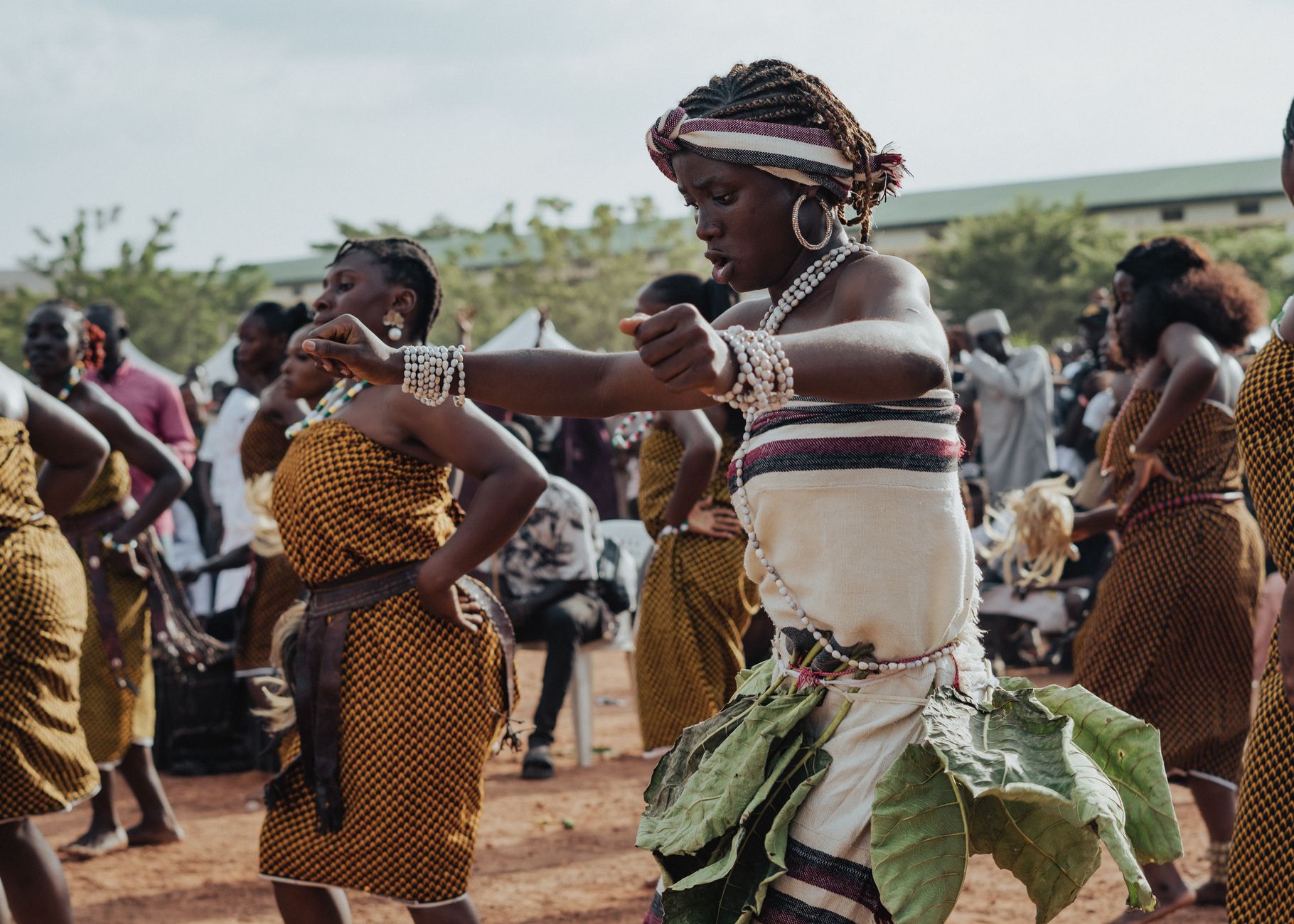
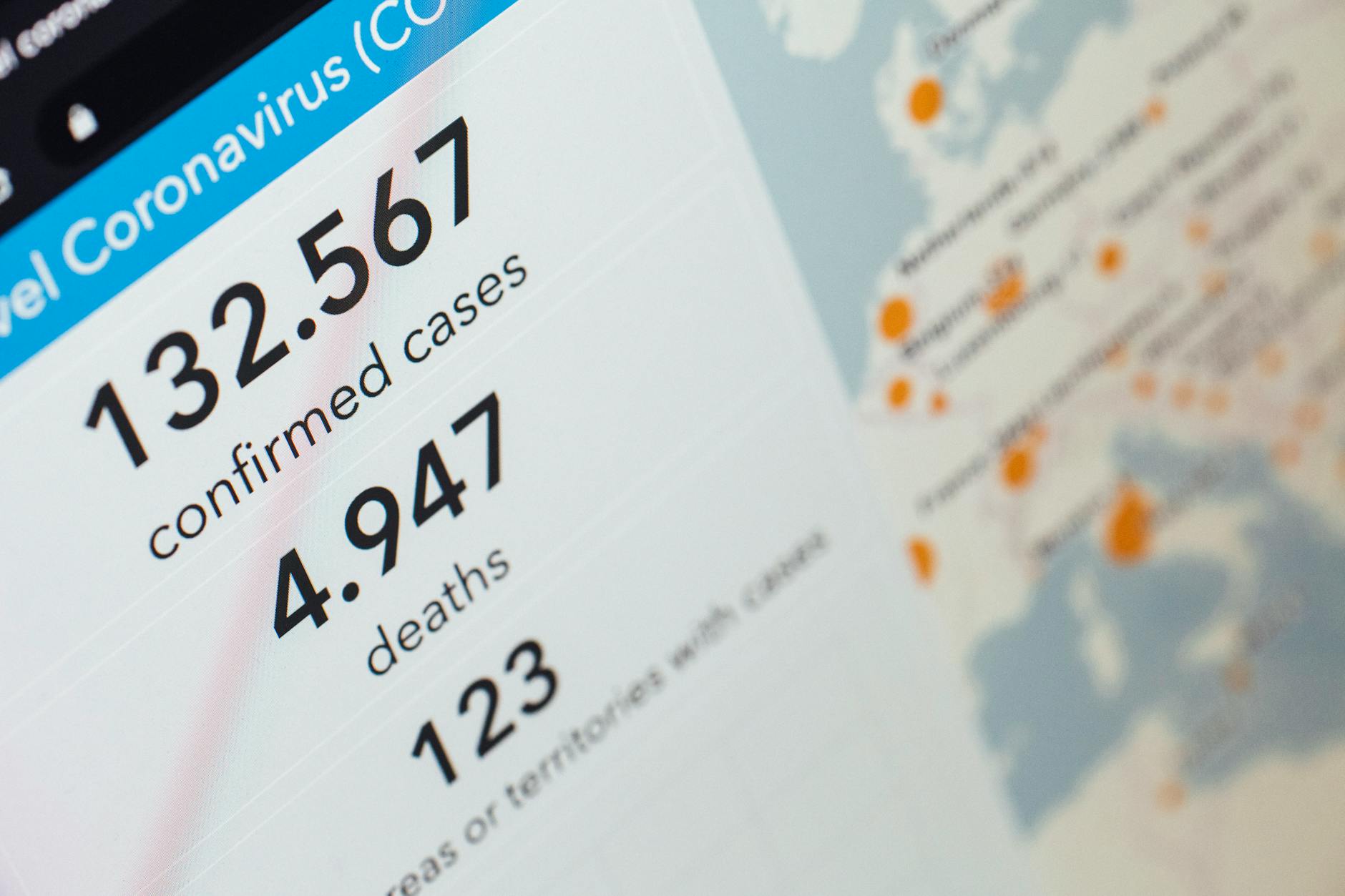
As of May 27, 2026, there were 129 confirmed cases, 1077 suspected cases, and 246 suspected deaths linked to the current outbreak in DR Congo and Uganda. One source reports that as of May 16 there were at least eight laboratory-confirmed Ebola cases. The UN News cites WHO's concern over rising case numbers, cross-border spread, and significant uncertainties about the true scale of this epidemic.
Human Impact
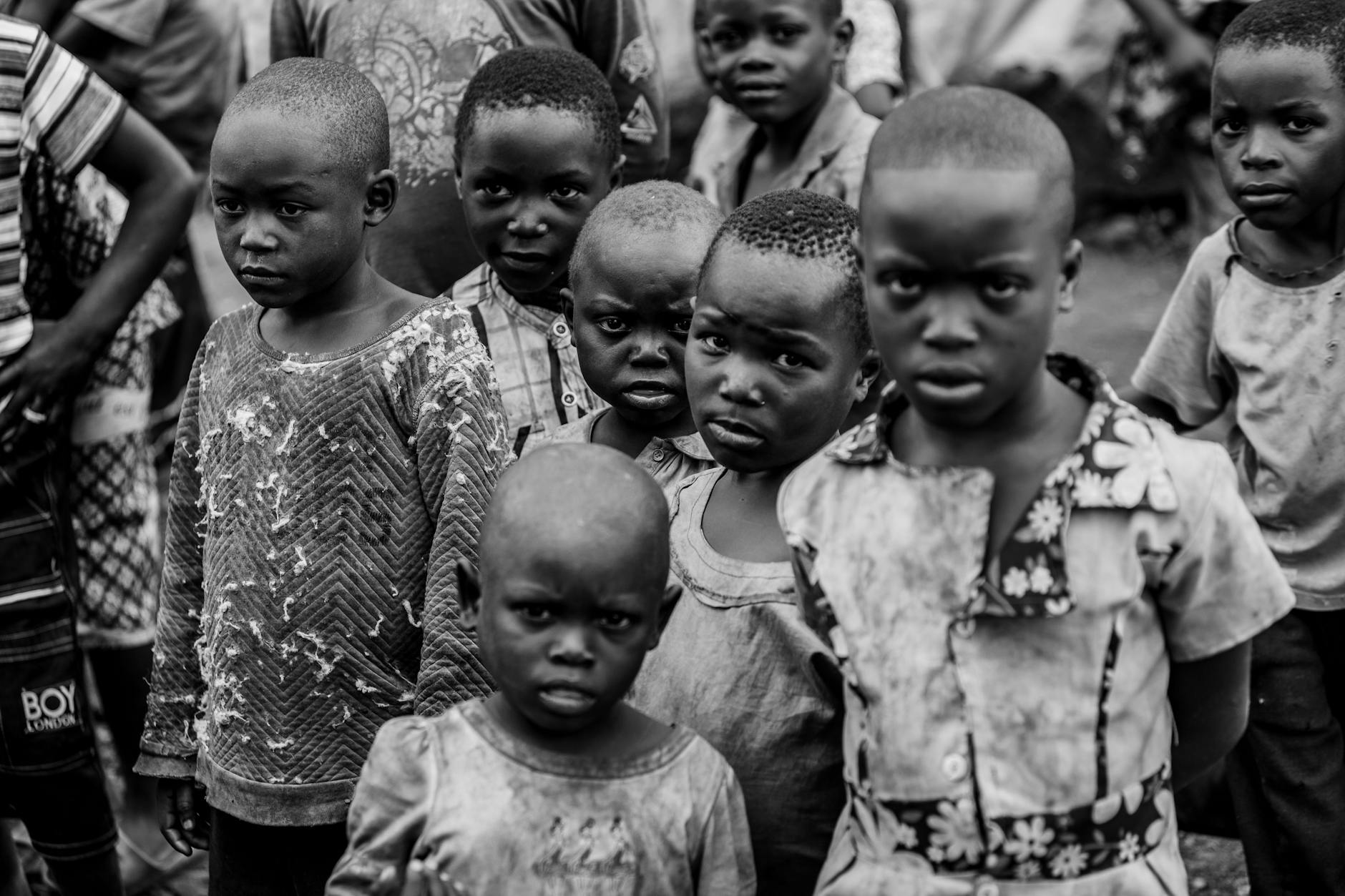
The impact of this Ebola outbreak in DRC and Uganda ripples far beyond the number of confirmed cases. In addition to the physical devastation caused by a deadly virus, outbreaks like these also cause massive disruption to public health systems already under strain from other crises. This forces governments to divert resources away from other pressing needs.
Analysis
While this declaration of a Public Health Emergency of International Concern brings additional international aid, it also highlights global shortcomings in preparedness and response to emerging infectious diseases. The fact that there is no licensed vaccine or specific therapeutics against the Bundibugyo strain speaks volumes about gaps in our collective ability to respond to new threats.
Counterpoints
Some experts question whether this declaration is too late and argue that more resources should have been mobilized earlier to prevent the rapid escalation of this outbreak. Others point out that such declarations can sometimes lead to a 'resource rush' where wealthy countries or organizations compete for limited funds and supplies, leaving less well-off nations struggling.
What Happens Next
As the Ebola outbreak in DRC and Uganda escalates, it is crucial for international actors to urgently provide support and resources to contain the spread of this deadly virus. The WHO declaration should be a wake-up call for governments worldwide to invest more in research and development of vaccines and treatments against emerging infectious diseases. Only by strengthening our global health architecture can we hope to prevent similar crises in the future.
Takeaway
This Ebola outbreak in DRC and Uganda is a stark reminder that we live in an era of increasing global interconnectedness, where infectious diseases can spread across borders with devastating speed and impact. As this virus continues its rampage through communities already struggling to cope, one question must be asked: Are we doing enough to prepare for the next pandemic? This outbreak should not be our wake-up call.