
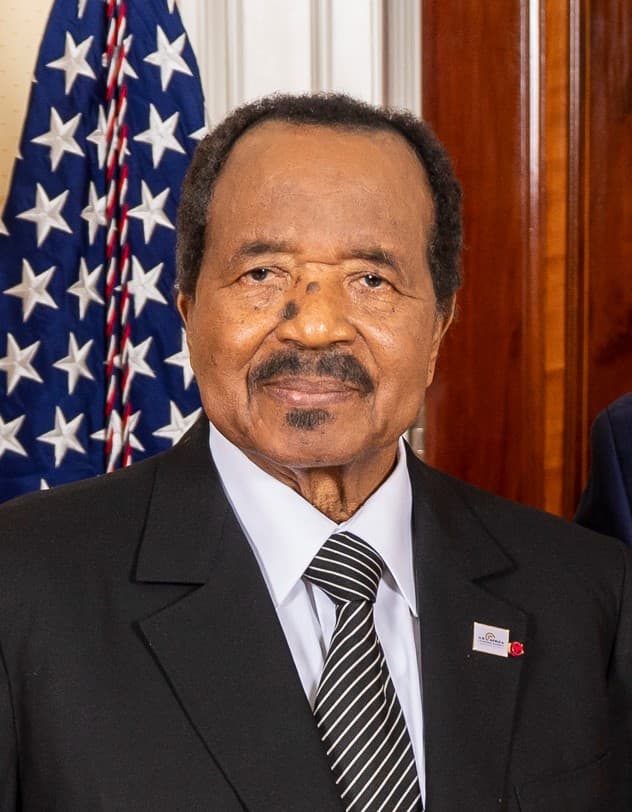
Cameroon opposition leader Issa Tchiroma Bakary has fled to Gambia in the wake of Paul Biya's disputed re-election for his eighth term as president. The move by Tchiroma, one of the most prominent voices against Biya, underscores how political opposition in Cameroon is increasingly being forced into exile after each election.

Context
This trend of political opposition figures fleeing Cameroon after disputed national elections has been repeating since the mid-2010s. Key examples include: Maurice Kamto of the MRC party who fled to France in 2018 after his bid for presidency was contested; and Akere Muna, a human rights lawyer who unsuccessfully ran for president in 2011 and later left the country saying 'I can't go back.' As Biya has extended his rule over Cameroon into a fourth decade, the ability of opposition to challenge him from within has eroded. This leaves going into exile as one of the few viable options for those wanting to keep fighting for change.
Facts
Issa Tchiroma Bakary was one of the most vocal opponents of Biya's eighth term campaign. After Biya won re-election for an unprecedented eighth term on February 9, 2026, tensions escalated between his supporters and opposition figures like Tchiroma. On March 10, Tchiroma announced he had fled Cameroon and sought political asylum in The Gambia, citing threats to his life.
Human Impact
The forced exile of opposition figures like Tchiroma impacts not only them, but also their communities back home in Cameroon. As they go into political limbo abroad, vital local opposition voices get silenced and sidelined. This hollows out internal democratic checks and balances further. It allows ruling regimes to push through harsh measures with less accountability.
Analysis

The pattern of opposition figures fleeing into exile after losing presidential bids in Cameroon reveals a worrying structural erosion of internal political pluralism. As Biya's rule consolidates over eighth terms, the ability for organized opposition to credibly challenge him from within has been eroded. This leaves going into exile as one of the few viable options remaining for those wanting to keep fighting for change.
Counterpoints
However, some argue that fleeing to Western capitals like Paris or Washington gives opposition figures a false sense of safety while they enjoy the trappings of political exile. Others say it deprives Cameroon's internal politics of badly-needed local opposition voices and thus empowers Biya further.
What Happens Next
As Biya's eighth term cabinet consolidates power, watch for more opposition figures to follow Tchiroma into exile. Their ability to credibly challenge the regime from abroad will be limited. But they could still shape regional and international responses to Cameroon's internal political dynamics.
Takeaway
The opposition exile dynamic is a structural feature of Cameroon's political system now. It reflects the reality that Biya has extended his rule into an eighth term with less internal challenge than before. As we watch for more exiles to follow Tchiroma, let us also question what more can be done to create space in Cameroon for healthy political competition and accountability.