
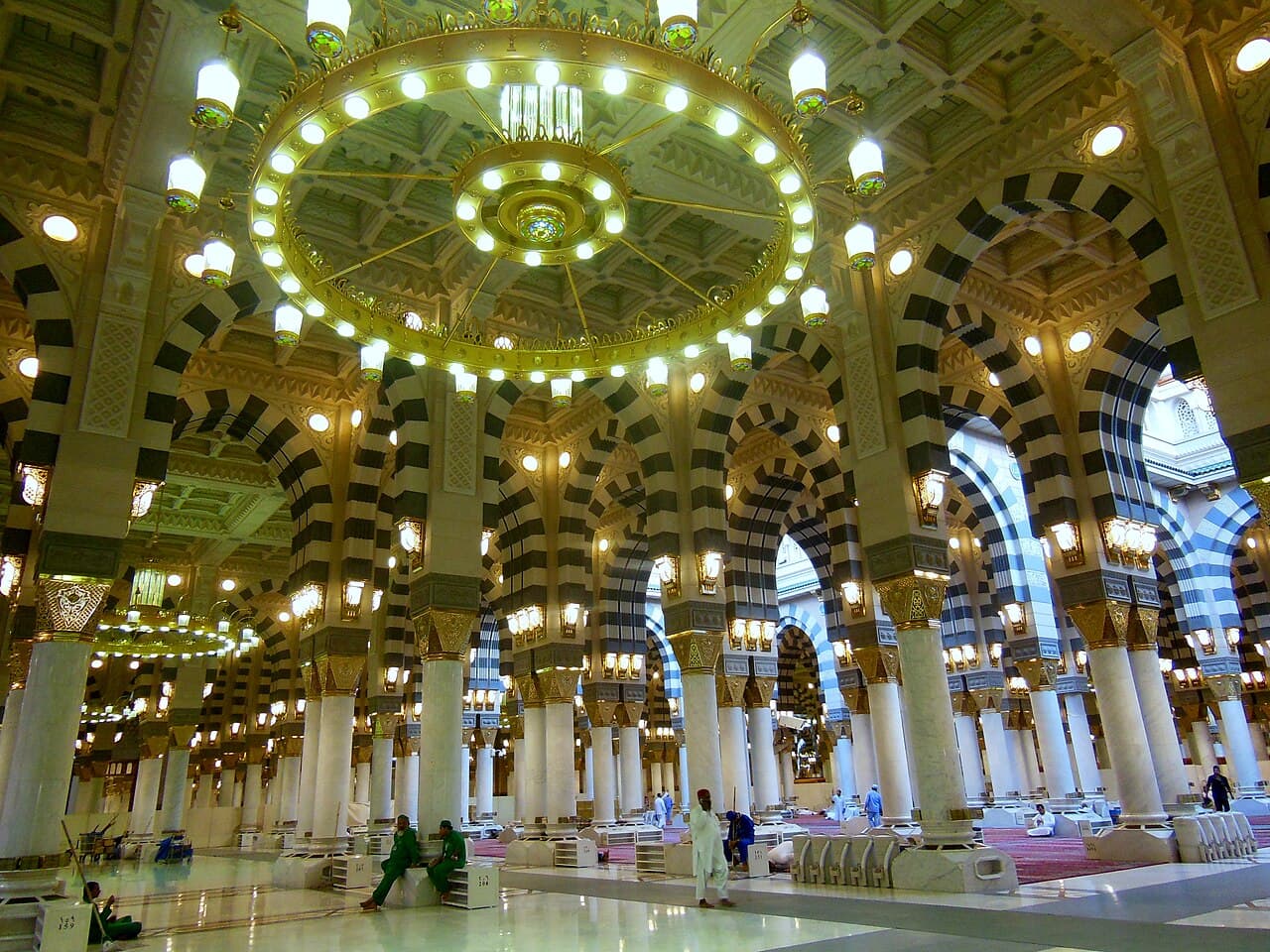
Islamic State's insidious infiltration of Mozambique is coming to the fore as seven armed men entered a fishing community in northern Mozambique, ordering residents to hand over the keys to their local mosque. This incident exemplifies how Islamic State is embedding itself into coastal society through a blend of preaching and coercive intimidation.
Context
Mozambique's northern Cabo Delgado province has been the epicentre of an Islamic State-led insurgency since 2018, with the group targeting religious communities and expanding its reach across the region. Amidst political turmoil, weak state institutions, and stark regional inequalities, growing threats to freedom of religion or belief have emerged, allowing non-state armed groups to gain traction.
Facts
According to ACLED data, Islamic State Mozambique has diversified its financing through kidnapping-for-ransom and extortion schemes in 2025. CNN reports that the group has increasingly targeted religious communities, particularly in Cabo Delgado Province.
Human Impact
The increasing presence of Islamic State and other non-state armed groups in Mozambique's northern provinces has led to a rise in targeted attacks on religious communities, forcing residents to flee their homes and villages. Families have been displaced, livelihoods disrupted, and sectarianism stoked by the unchecked actions of these militant groups.
Analysis
By leveraging a mix of global messaging from Islamic State and local insurgent communications, the group has been able to assert its presence and establish itself in Mozambique's coastal communities. This convergence of messaging is part of a broader strategy that exploits the weaknesses in Mozambique's political system and socio-economic landscape.
Counterpoints
Some analysts argue that the presence of Islamic State and other armed groups is a result of broader socio-economic issues in Mozambique, such as poverty, unemployment, and inequality. These factors have left communities vulnerable to exploitation by non-state actors.
What Happens Next
As the Islamic State continues to embed itself deeper into coastal society, African governments need to closely monitor the group's evolving tactics and adapt their responses accordingly. Failure to do so may result in a permanent foothold for the group in Mozambique, with potentially devastating consequences.
Takeaway
The key question African governments should ask themselves is: How can we prevent non-state actors like the Islamic State from exploiting our country's weaknesses to establish a foothold? The answer lies in addressing the underlying socio-economic vulnerabilities and strengthening governance structures.