
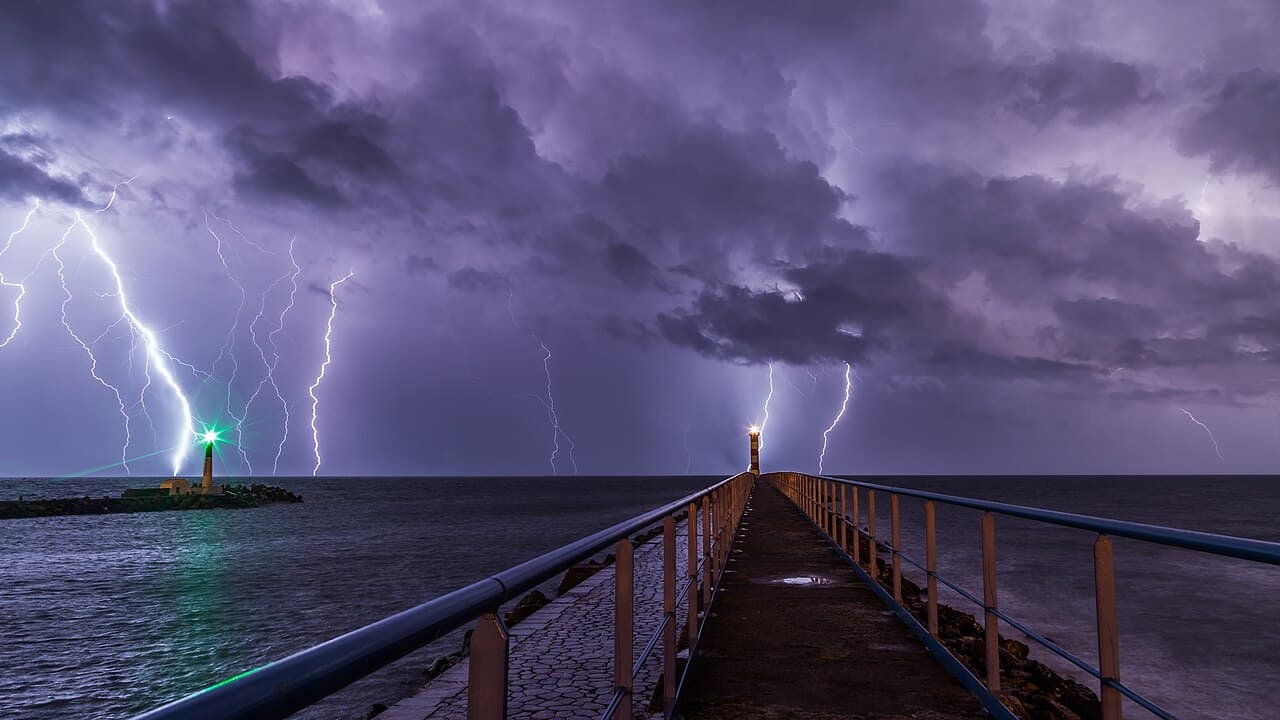
As the West African monsoon, a critical source of rainfall for millions across the Sahel and beyond, prepares to undergo significant alterations this year, experts are warning that the changes could have devastating consequences for food security and livelihoods. The monsoon's modifications are a stark reminder of how climate change is impacting our planet, with ripple effects felt keenly in Africa.
Context
For centuries, the West African monsoon has been a lifeline for communities across the Sahel region and beyond. Its predictable arrival each year, bringing much-needed rainfall to an arid landscape, has allowed farmers to grow crops and herders to graze their livestock. However, as the world has warmed, scientists have warned that climate change is altering weather patterns, with potentially devastating impacts.
Facts
Climate models developed by international scientists have projected a significant decrease in monsoon rains across West Africa this year. The forecasts suggest that some areas could experience a 20-30% reduction in rainfall, which would be unprecedented and potentially catastrophic for farmers who rely on the monsoon to grow crops like millet and sorghum.
Human Impact
The projected changes to the West African monsoon have left many farmers and herders in the Sahel feeling deeply anxious about what lies ahead. For families who already struggle to feed themselves, a reduction in crop yields could mean severe hunger and poverty. In Niger, for example, where millions rely on rainfed agriculture, even a small decrease in rainfall can spell disaster.
Analysis
As Weather & Climate Analyst, I believe it's crucial to understand that these changes are not isolated events but part of a larger trend linked to human-induced climate change. The alterations in the West African monsoon patterns reflect global warming and its impacts on regional weather systems. This means we must also consider how changing temperatures and precipitation could affect water availability, crop yields, and conflict over resources.
Counterpoints
Of course, not all experts agree on the exact implications of these changes. Some argue that local adaptations could help communities cope with reduced rainfall, while others suggest investing in drought-resistant crops might be a solution. However, even those who propose alternative strategies acknowledge the severity of the challenge ahead.
What Happens Next
As the West African monsoon prepares to alter its course, governments across the continent must act now to protect their citizens. This means investing in early warning systems for extreme weather events, developing drought-resistant crops, and improving water management practices. Moreover, it requires a global commitment to reducing greenhouse gas emissions, as the changes we're seeing are a stark reminder of the need for urgent climate action.
Takeaway
The projected changes to the West African monsoon are a wake-up call for Africa. We cannot afford to wait and see what happens; we must take action now to protect our people, our lands, and our futures.