
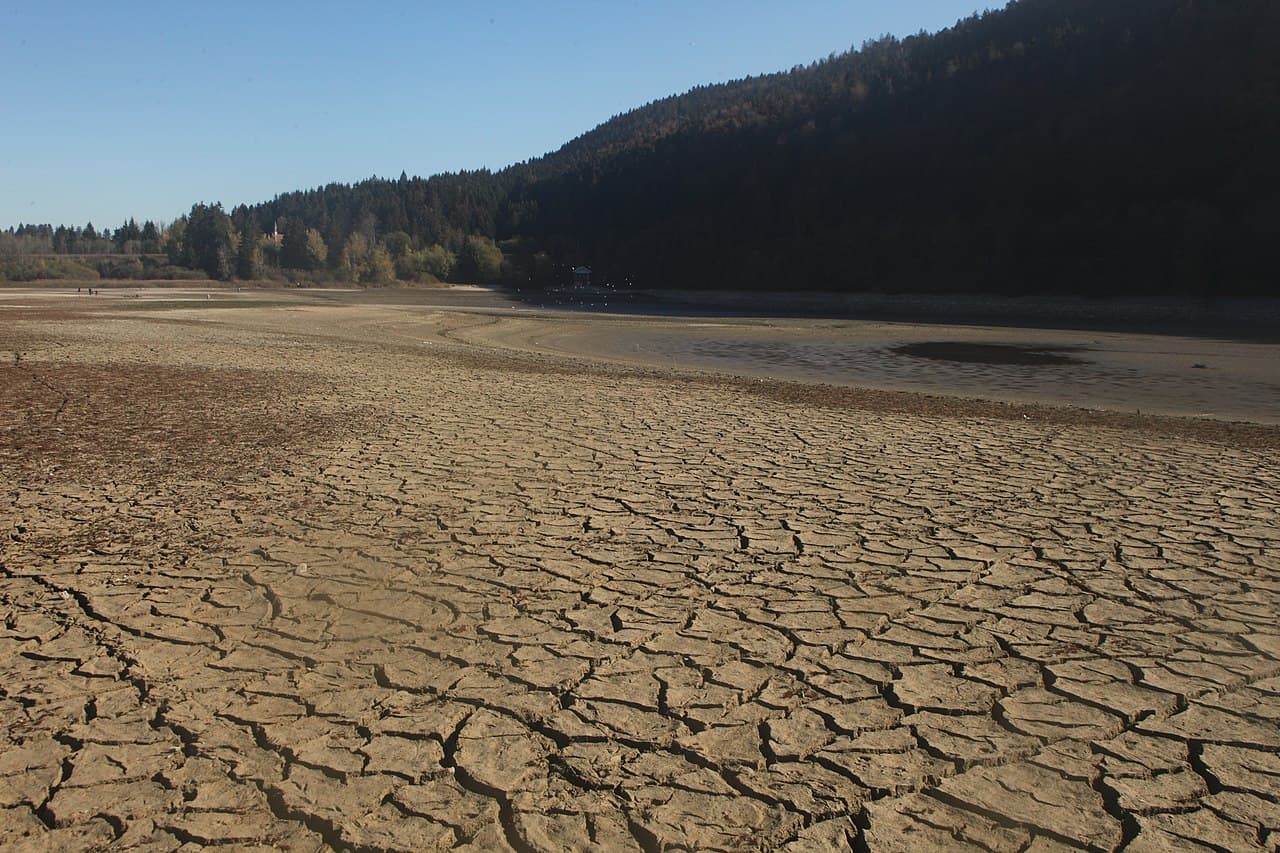
After months of intense drought, Kenya was hit by severe flooding last week that killed more than 40 people. The extreme weather events come after a period of government radio silence following each round of natural disaster.
Context
Extreme weather events like droughts and floods are becoming more common in Kenya and across Africa due to climate change. These events cause massive destruction of crops, homes, and infrastructure, leading to loss of life and economic damage.
Facts
In the capital Nairobi, heavy rainfall from a single storm left many areas flooded and knocked out power for thousands. The government only speaks up after each disaster has passed, failing to provide timely aid or response.
Human Impact
The droughts and floods take a heavy toll on Kenyan communities. Farmers lose crops, livestock die from lack of water or drowning in flash floods. Homes are destroyed. People go hungry and thirsty. The economy reels.
Analysis
Kenya's drought followed by severe flooding demonstrates how climate change is destabilizing weather patterns across Africa. More intense dry spells followed by deluges will ravage crops and kill people if governments fail to act.
Counterpoints
Some government officials claim the extreme weather is normal. Denial prevents emergency preparedness and response. Climate change deniers put lives at risk by blocking adaptation measures.
What Happens Next
Kenya must prepare for more extreme weather disasters. Governments should invest in drought-resistant crops, early warning systems, emergency funds, and infrastructure that can withstand flooding.
Takeaway
The flooding and droughts in Kenya show climate change is making weather disasters worse. Governments must invest now to prevent future death and destruction.