
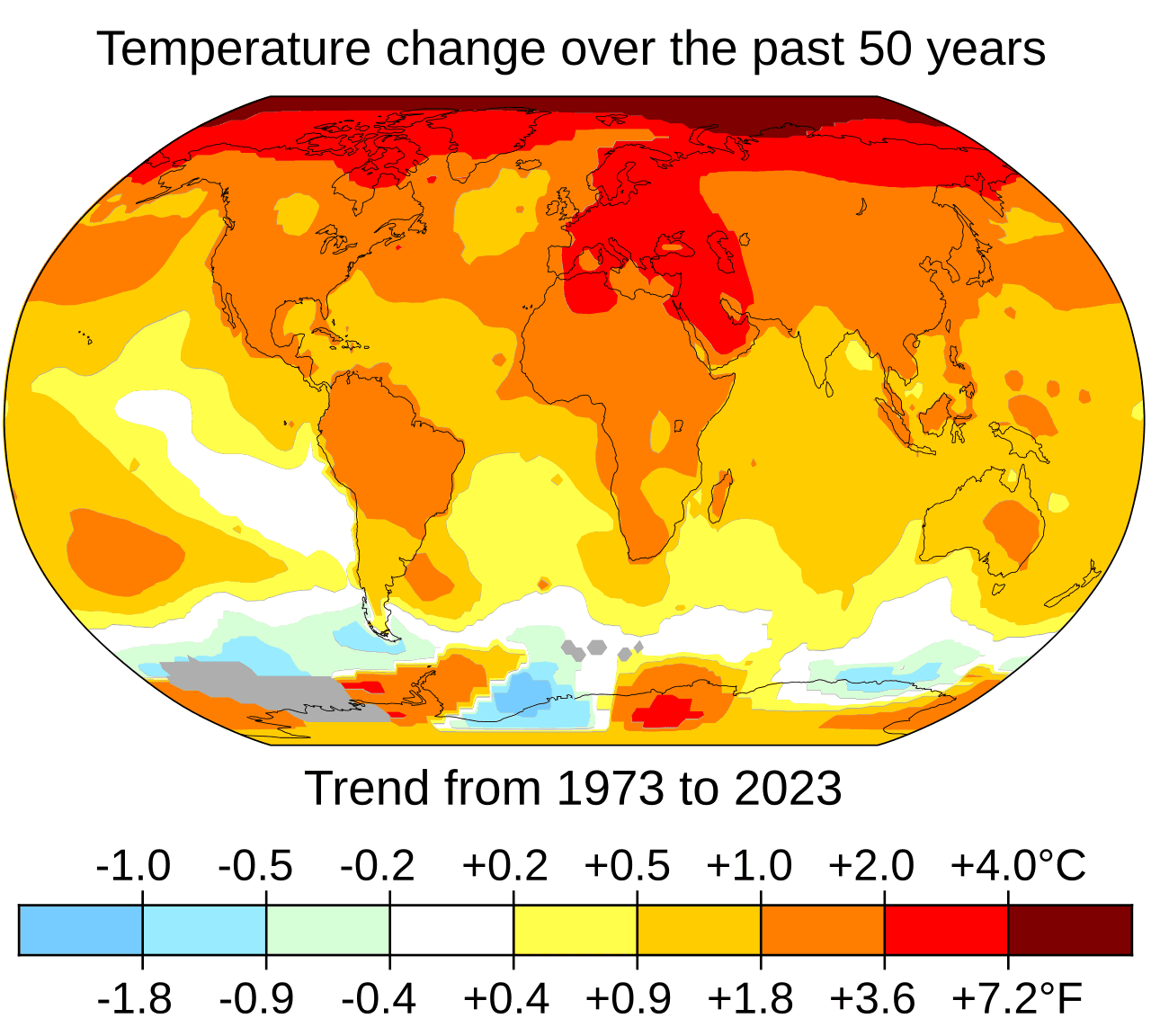
As the world grapples with the escalating impacts of climate change, East Africa is in the grip of a devastating drought, while southern regions face catastrophic flooding. This confluence of extreme weather events, driven by La Niña and rising global temperatures, has highlighted the urgency of addressing the escalating crisis.
Context
Climate change, with its far-reaching consequences, is not a future threat but a present reality for many regions across the world. In Africa, this is particularly evident as the continent grapples with extreme weather events that have become more frequent and severe in recent years.
Facts
The severity of the drought in East Africa, coupled with widespread flooding in six countries, underscores the complexity of climate change's impact. In Angola, for example, deepening drought is a direct result of La Niña, while higher global temperatures contribute to the massive flooding across nations like Kenya, South Sudan, and Uganda.
Human Impact
The human toll of these extreme weather events is profound. In regions affected by the drought, livestock are decimated, affecting communities that rely heavily on them for sustenance and income. Meanwhile, in areas hit by flooding, lives are lost, homes destroyed, and livelihoods disrupted.
Analysis
The confluence of La Niña, a cool phase of the Pacific Equatorial seasurface temperature phenomenon, and higher global temperatures has exacerbated existing vulnerabilities. These conditions have led to a perfect storm of drought in the east and flooding in the south, emphasizing the interconnectedness of climate systems on a global scale.
Counterpoints
Despite the overwhelming evidence of climate change's impact, there are those who argue against urgent action. Some suggest that these events are part of natural cycles and not necessarily exacerbated by human activities. Others maintain that adaptation rather than mitigation is the key to resilience. However, as the scale of the disaster becomes clear, even the most skeptical voices are hard-pressed to deny the reality before us.
What Happens Next
As the world grapples with these unfolding disasters, the outlook is one of urgency. The need for adaptation strategies that address not just the symptoms but the root causes of climate change becomes ever more pressing. There will be no avoiding the impacts of our changing planet; instead, we must find ways to mitigate them and build resilience in the face of an uncertain future.
Takeaway
The take-home message from this crisis is clear: climate change is real, and its impacts are here. It's not a problem for the future; it's one we're living with now. The challenge before us is to adapt, innovate, and build resilience against a backdrop of increasingly unpredictable weather patterns.