
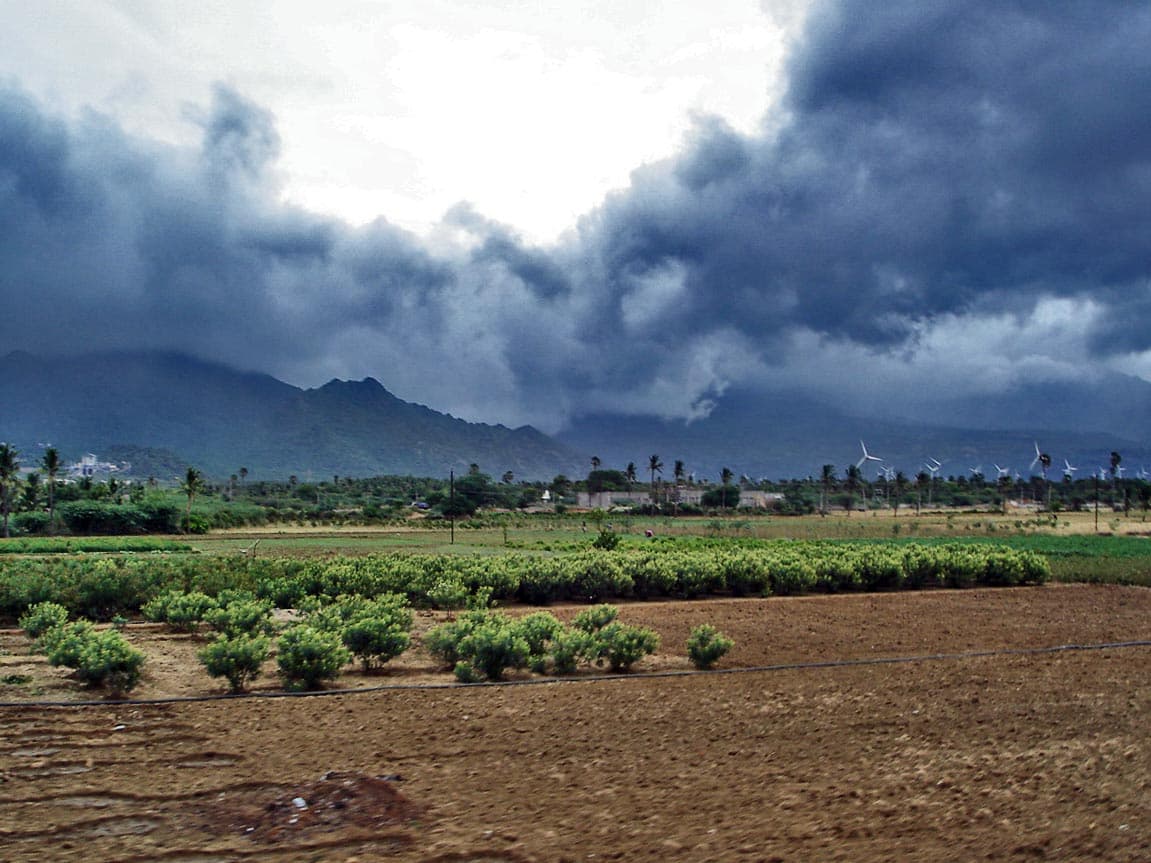
As the West African monsoon system descends on Ghana and Nigeria this week, Accra and Lagos are primed to face heavy rains and strong winds. The monsoon's arrival, influenced by factors such as sea surface temperatures and atmospheric circulation patterns, is set to bring potentially devastating conditions to the region.

Context
The West African monsoon is a significant climatic event for countries in the region, such as Ghana and Nigeria. It typically brings heavy rains from May to October, which are crucial for agriculture and water availability. However, these conditions also pose risks such as flooding, landslides, and damage to infrastructure.
Facts
Specifically, Accra is expected to have temperatures between 25°C and 31°C with a high chance of rain in the coming week. Lagos will experience similar conditions to Accra, with slightly lower temperatures ranging from 24°C to 30°C. Both cities can expect potential flooding and strong winds.
Human Impact
The residents of Accra and Lagos, especially the most vulnerable populations, are likely to be directly affected by these weather events. Flooding could lead to displacement and damage homes, while strong winds may bring down trees and affect transportation infrastructure.
Analysis
The heavy rains and strong winds in Ghana and Nigeria this week can be attributed not only to the West African monsoon system but also to larger climate patterns. These conditions are influenced by factors such as sea surface temperatures and atmospheric circulation, which may be affected by global climate change.
Counterpoints
Some analysts argue that the impact of the monsoon system is not solely determined by natural factors but also influenced by human activities. They suggest that climate change could be exacerbating these conditions, leading to more intense and unpredictable weather events.
What Happens Next
As the week progresses, residents of Accra and Lagos should remain vigilant, keeping an eye on weather updates for any changes in conditions. Authorities at local and national levels must be prepared to deploy resources for emergency responses and disaster management.
Takeaway
In a world increasingly shaped by climate change, events like this week's heavy rains and strong winds in Ghana and Nigeria serve as stark reminders of the importance of adaptation and resilience. As we continue to navigate these changing conditions, let it be our collective responsibility to ensure that no one is left behind.