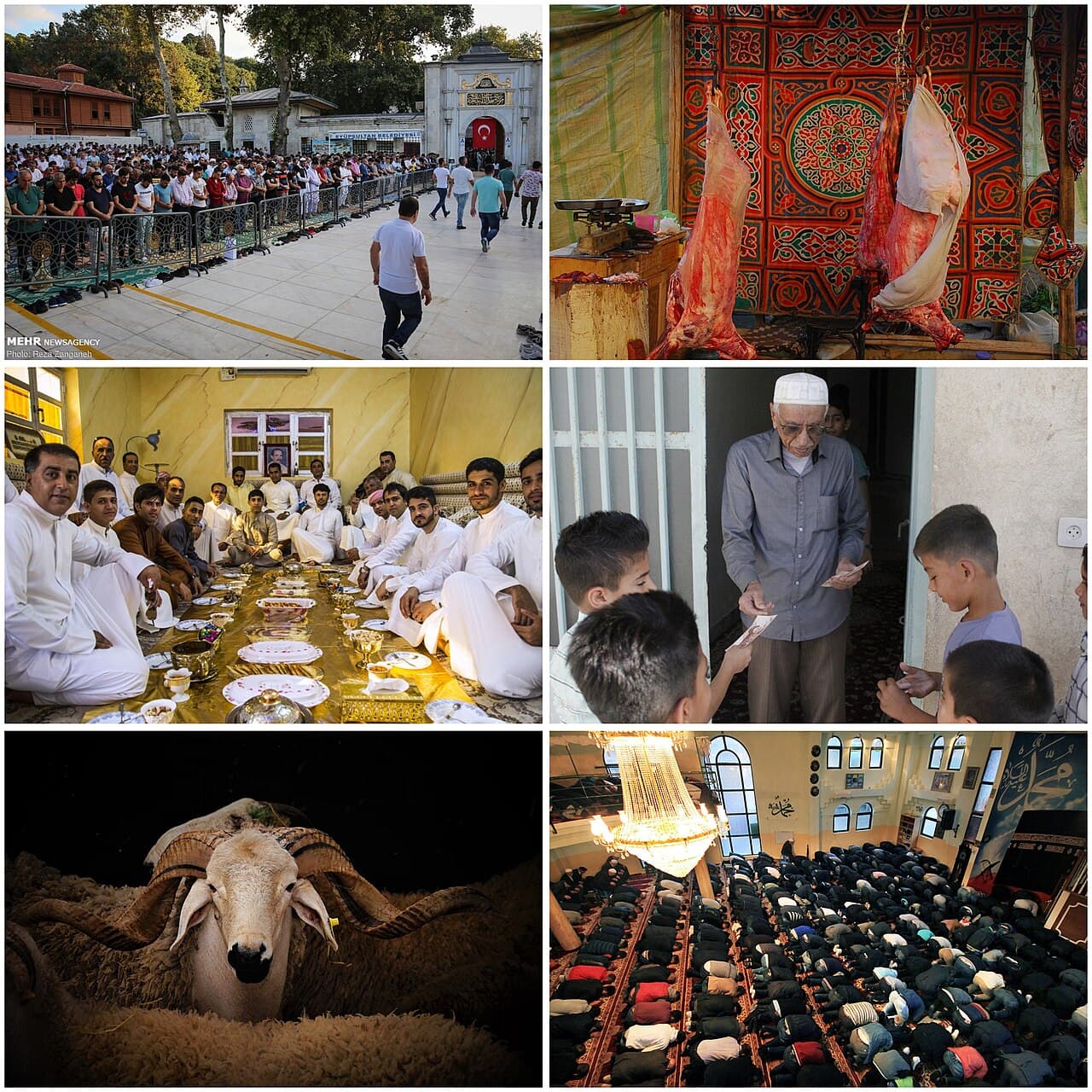
The sighting of the crescent moon in Morocco's sky has set a course for millions to gather in celebration. As Muslims prepare to mark Eid al-Adha on Wednesday, May 27, 2026, it's not just a spiritual observance but also a logistical and economic event with far-reaching impact.

Context
Eid al-Adha, one of the holiest times on the Islamic calendar, is an occasion steeped in religious and cultural significance. Across Morocco, preparations unfold with meticulous planning each year. But this particular observance arrives as the travel sector grapples with recovery post-pandemic, making the timing especially poignant.
Facts

The Ministry of Endowments and Islamic Affairs confirmed the date after the crescent moon was sighted on Monday, May 18, signaling the start of Dhu al-Hijjah. This month-long period culminates in Eid al-Adha on its tenth day, corresponding to Dhul Hijja 1447 AH.
Human Impact
For Moroccan families, this observance is a time of joy and togetherness. However, for the travel industry that's still recovering from the pandemic, it presents a logistical and economic challenge. Accommodation providers, transport operators, and eateries gear up for demand spikes while balancing safety protocols.
Analysis
The timing of this year's Eid al-Adha within Morocco's travel context is more than a spiritual event; it reflects broader economic dynamics. The industry's pandemic recovery intertwines with the significance of this holy celebration for millions, showcasing the intersection of cultural observance and economic activity.
Counterpoints
While many Muslims view Eid al-Adha as a time for unity and celebration, there are those who argue that the travel industry's focus on economic gains detracts from its spiritual essence. Some suggest that over-commercialization has diluted the true message of sacrifice, urging a return to simpler observances.
What Happens Next
As Morocco anticipates travel demand surges around Eid al-Adha, there are several signals to watch. Accommodation and transport operators should manage expectations carefully, especially given the recent pandemic recoveries. Meanwhile, policymakers may consider strategies for post-celebration recovery periods.
Takeaway
For those in Morocco and beyond, the key takeaway from this year's Eid al-Adha is not just the celebration itself but how it intersects with modern life. It's a reminder of the power of cultural observances to shape economic landscapes and to prompt both spiritual reflection and practical planning.