
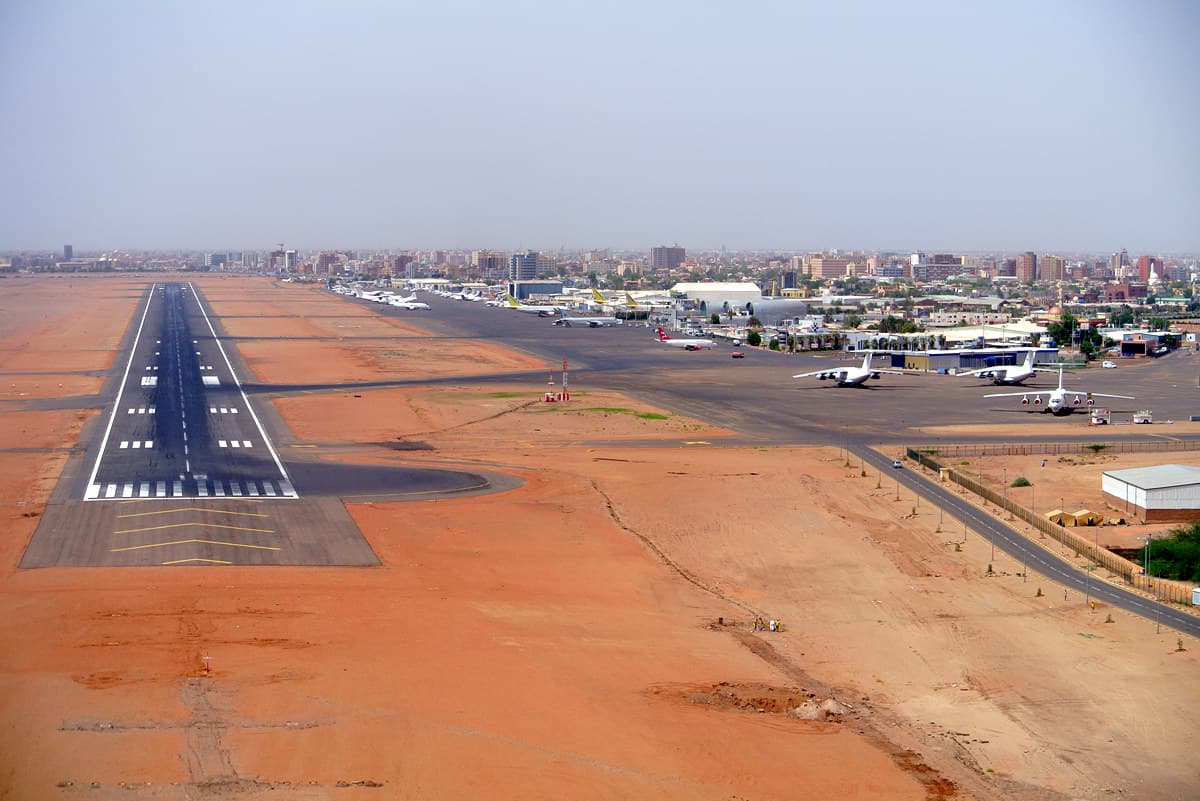
In a dramatic escalation of the conflict surrounding recent drone strikes on Khartoum International Airport, the Sudanese government has recalled its ambassador from Ethiopia and accused the United Arab Emirates (UAE) of orchestrating these attacks. This development marks not only a geopolitical standoff but also poses direct risks to travel safety in Sudan.

Context

The roots of this conflict can be traced back to historical tensions between Sudan and its neighbors, particularly Ethiopia. Economic disputes, political rivalries, and competing regional interests have simmered for years but recently escalated, with the UAE's support for Ethiopia against Sudan adding a new layer of complexity.
Facts

Official claims by Sudan's armed forces accuse Ethiopia and the United Arab Emirates of being involved in drone attacks on Khartoum airport. These attacks are part of a barrage that has shattered months of relative calm, with authorities citing video evidence to support their accusations.
Human Impact
The conflict not only disrupts travel but also impacts the livelihood of thousands. Travel agents, airlines, and tourism operators face cancellations and a potential market collapse. Families stranded, students unable to return home, and humanitarian aid stuck in limbo are the human faces of this conflict.
Analysis
For African travellers, understanding the nuances of this geopolitical tension is crucial. The direct accusation against major players like Ethiopia and the UAE reflects broader tensions in regional politics, trade dynamics, and potentially impacts tourism and travel safety across borders. Airlines must consider strategic adjustments to navigate these choppy waters.
Counterpoints
While most in the region agree on the gravity of this situation, perspectives vary. Some argue that the conflict is a manufactured distraction from internal Sudanese issues. Others believe it highlights broader regional instability and the need for diplomatic engagement to prevent further escalation.
What Happens Next
Travelers are advised to monitor official communications closely. Airlines may consider rerouting flights and adjusting schedules in response to the conflict's evolving nature. The international community should watch for any diplomatic overtures or attempts at mediation, as preventing further escalation is critical.
Takeaway

The most important takeaway is the need for vigilance. African travelers should keep a close eye on developments and consider postponing non-essential trips to Sudan until the situation stabilizes. For airlines, this conflict serves as an urgent reminder of the importance of strategic flexibility in navigating geopolitical risks.