
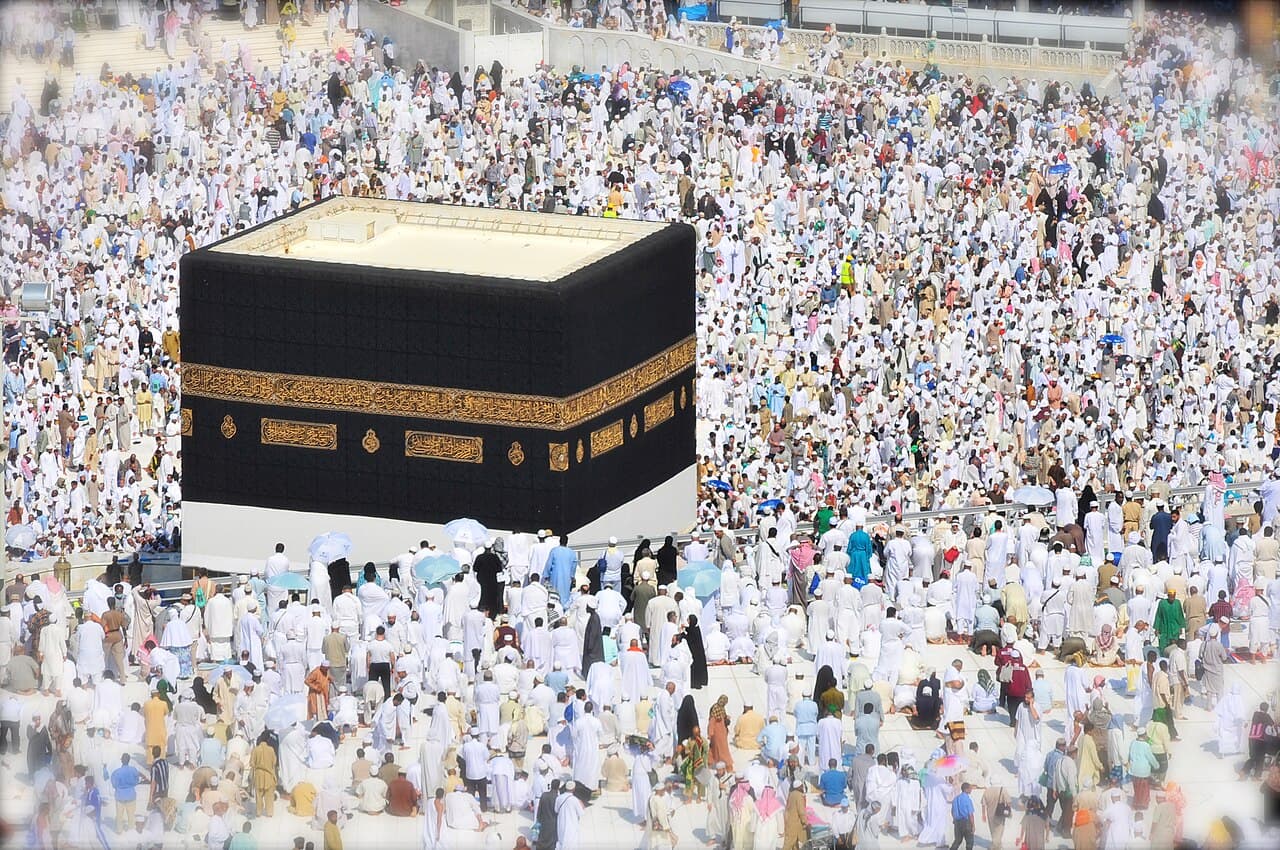
As the annual Hajj pilgrimage approaches, EgyptAir has launched an air bridge to transport pilgrims from Cairo and Alexandria directly to Jeddah, a move set to significantly streamline the journey for Egyptian faithful. With 22 flights scheduled for tomorrow alone as part of the 23-flight program, EgyptAir is poised to play a crucial role in facilitating this religious obligation.

Context

The Hajj is one of the five pillars of Islam, requiring Muslims who can afford it to make the pilgrimage to Mecca at least once. Given its religious significance and the numbers involved—over 1 million pilgrims are required to participate each year—the organization and logistics of the journey are a significant undertaking for countries like Egypt with large Muslim populations.
Facts

EgyptAir, Egypt's flagship carrier, has scheduled 23 flights from Cairo and Alexandria to Jeddah for the Hajj season. Among these, 22 flights are planned for tomorrow alone, demonstrating the scale of operations. The airline will play a pivotal role in ensuring that Egyptian pilgrims can perform their religious duty with minimal inconvenience.
Human Impact
For the pilgrims themselves, this direct air bridge reduces travel time and complexity. Instead of long overland journeys or connecting flights that could extend the pilgrimage's duration significantly, pilgrims can now fly directly to Jeddah, where they will join the main procession to Mecca.
Analysis
From a strategic perspective, EgyptAir's initiative not only simplifies the journey but also positions the airline as crucial in managing religious travel flows. This could enhance the overall experience and safety of the pilgrimage for Egyptian pilgrims, while also solidifying EgyptAir's role in facilitating this critical journey. The efficiency of the air bridge could lead to better management of logistics and resources, ensuring that the pilgrimage meets its spiritual objectives without unnecessary complications.
Counterpoints
Critics might argue that focusing on air bridges for religious pilgrimages diverts resources from other areas of the aviation industry, potentially at the expense of general travel infrastructure or commercial routes. They may suggest a more balanced approach to ensure EgyptAir's capabilities are evenly spread across different sectors.
What Happens Next
Looking ahead, signals to watch include how well EgyptAir manages this Hajj season with its air bridge initiative. Observing potential issues or improvements could guide future adaptations in managing mass religious travel. The success of the air bridge might also prompt consideration for extending such initiatives to other major pilgrimage sites, reflecting broader trends and strategic planning.
Takeaway
For the Egyptian government and aviation industry, the key takeaway should be the strategic importance of air travel in managing mass religious movements. This initiative showcases a practical application that could potentially be adapted for other major pilgrimage destinations or even other forms of large-scale religious movement.