
The surge in African travel vlogs spotlighting hidden gems and cultural treasures across the continent is a paradigm shift in how Africa's diverse destinations are being showcased to the world. This explosion of interest is not only changing tourism patterns but also breathing new economic life into local communities by spotlighting their unique cultures and landscapes.
Context
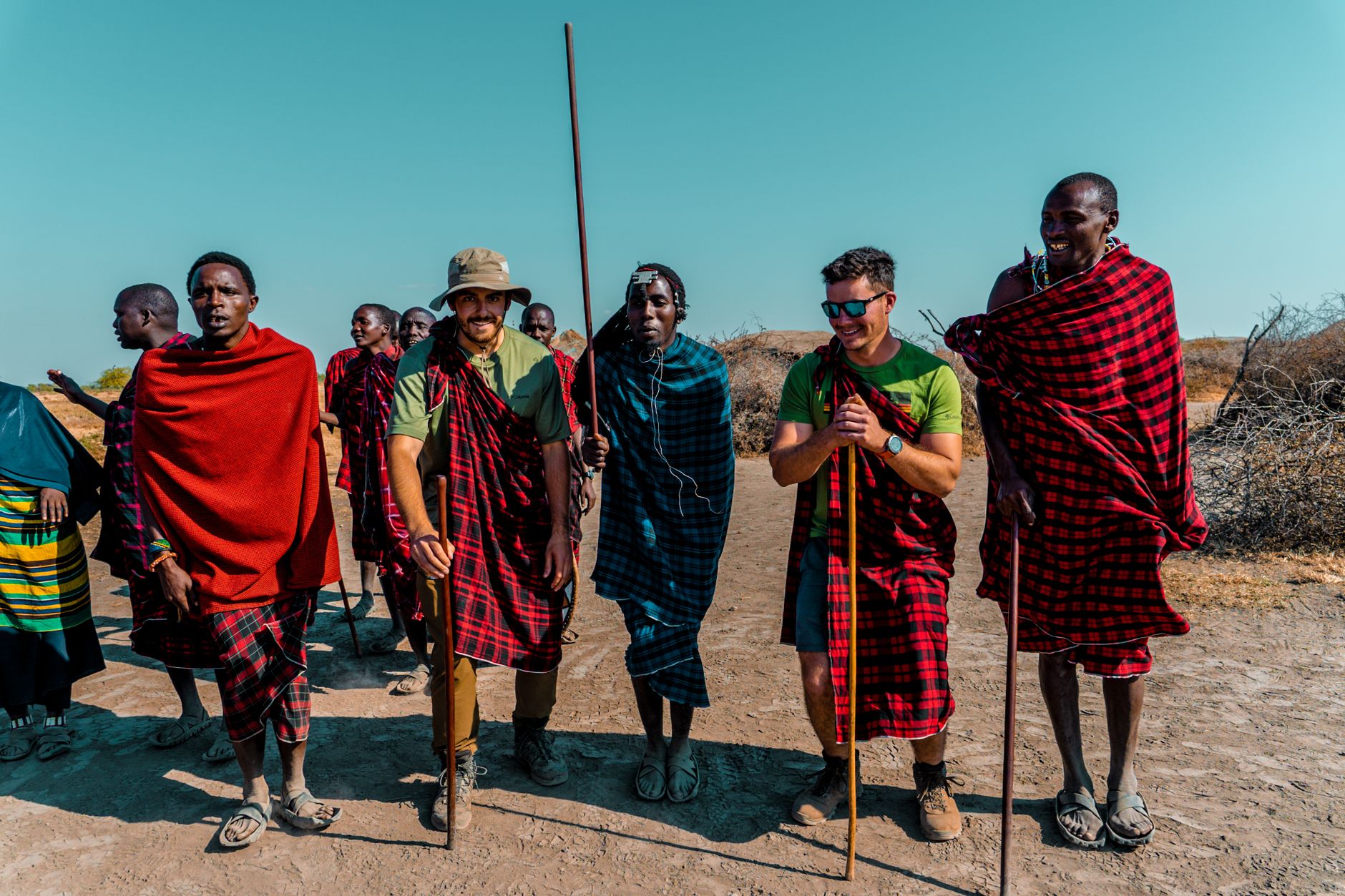
To understand the impact of this rise of African travel vlogs, it's essential to look back at how tourism in Africa has traditionally been dominated by large tour operators and safari companies that offered a curated, but often limited, view of the continent. These tours tended to focus on well-known landmarks like the Serengeti in Tanzania or Table Mountain in South Africa, missing out on the vast array of unique cultural experiences and hidden natural wonders that make up the fabric of African life.
Facts

The data shows that since 2010, there has been a steady increase in the number of travel vlogs created by Africans. This rise has been particularly pronounced in countries like Nigeria, Kenya, and South Africa, where local platforms have provided fertile ground for growth. The impact is also visible in the numbers: today's top African travel influencers boast follower counts rivaling those of well-established global names.
Human Impact

For local communities, the impact of these vlogs has been profound. Many videos feature community-led tours and homestays, directly benefiting families who open their homes to travelers. Guides and small business owners also see a boost in revenue as tourism dollars are spread more evenly across a wider range of experiences and destinations.
Analysis

From an analytical perspective, the rise of African travel vlogs represents a shift towards more personalized and community-focused tourism experiences. This democratization of exploration allows for a deeper engagement with local cultures and economies than ever before possible within the constraints of mass market tours. It's a grassroots movement that is putting power back into the hands of African storytellers and cultural guardians.
Counterpoints
However, not everyone agrees that this rise of vlogs is entirely positive. Some critics argue that while these videos do highlight the beauty and diversity of African cultures, they also risk commodifying them for tourist consumption. There are concerns about cultural appropriation and how long-term socio-economic issues are being addressed through tourism. Others point out that the travel influencer landscape can be elitist, potentially excluding those who do not fit a certain aesthetic or income bracket.
What Happens Next
Looking ahead, the future of African travel vlogs seems bright. As technology continues to evolve, so too will the ways in which these stories are told and shared. Augmented reality and virtual tours could soon become part of the mainstream experience offered by influencers. Moreover, collaborations between vloggers and community-based tourism initiatives promise to further bolster local economies.
Takeaway
The key takeaway is that the rise of African travel vlogs represents a powerful tool for sharing diverse cultural stories and experiences. It's not without its challenges, but it does offer an exciting opportunity to explore Africa on our own terms, through the eyes of those who know her best.